Choosing the best Cooling Truck in 2026 requires more than comparing prices and engine power. The right vehicle must protect cargo, reduce operating costs, and perform reliably across changing routes and weather conditions. A truck carrying fresh produce may face warm loading docks, long highway hours, and repeated door openings. Frozen goods demand even tighter temperature control.
Real-world experience shows that refrigeration capacity is only one part of the decision. Buyers should examine insulation thickness, usable cargo volume, temperature recovery speed, fuel or battery consumption, and service availability. Digital temperature records can help verify performance during delivery. Telematics may also reveal excessive idling, delayed maintenance, or unstable cooling cycles. Small details matter.
A reliable selection process should include manufacturer specifications, independent testing, driver feedback, and local compliance requirements. Refrigerant type, noise limits, emissions rules, and payload restrictions can vary by region. Expert advice is valuable, but it should be supported by clear evidence and practical cost calculations. A low purchase price may hide expensive repairs or weak after-sales support.
There is no perfect truck.
Some assumptions deserve review. Electric refrigeration may reduce noise and emissions, yet charging access and route length can limit its usefulness. Diesel systems remain familiar, but fuel costs and environmental expectations continue to change. This guide explores the key factors behind a confident purchase, while recognizing that actual performance depends on cargo, climate, maintenance, and daily operating habits.
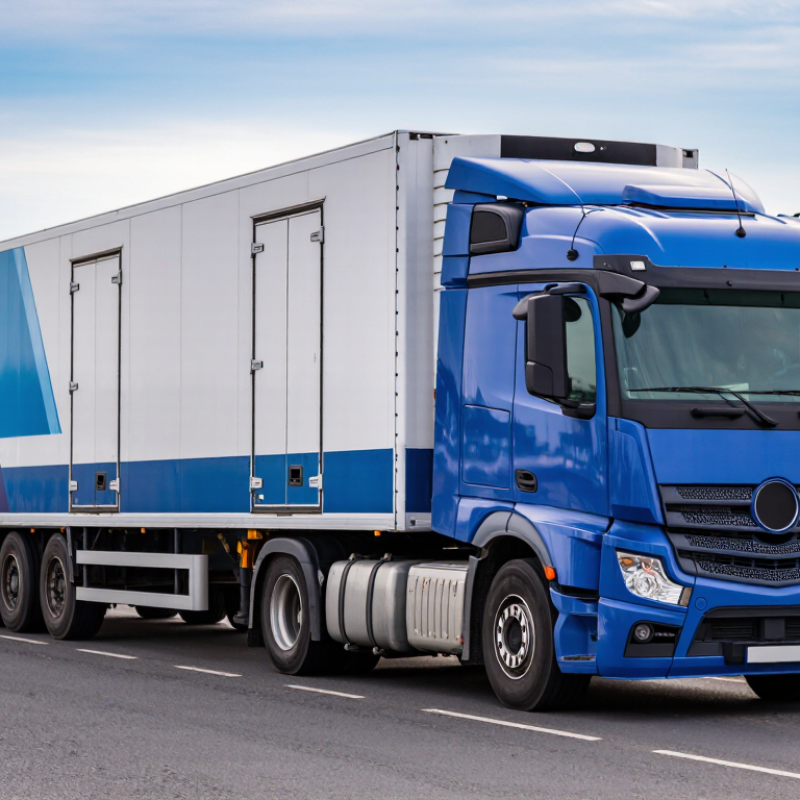
Start with the cargo, not the truck body. Fresh produce, frozen meals, dairy products, and medical supplies can require different temperature ranges. Confirm the product’s safe range, tolerance, and maximum transport time. Write these details into the vehicle specification. Small errors matter. A two-degree variation may damage sensitive goods during a long delivery route.
Measure both volume and weight. A large box does not always offer useful payload capacity. Calculate pallet dimensions, stacking limits, aisle space, and the weight of packaging. Leave room for air movement around the load. Overpacking can create warm pockets, even when the cooling unit displays the correct setting. Check the insulated floor, doors, seals, and wall thickness before comparing cooling performance.
Route conditions also shape the right choice. Frequent door openings, steep roads, outdoor loading, and hot parking areas increase cooling demand. Ask for temperature mapping under realistic conditions, not only an empty-box test. Install calibrated data loggers near the front, center, and rear. Pre-cool the cargo space when required, but avoid using the truck to cool warm goods without proper guidance. That practice may overload the system. A spreadsheet helps, but it can still miss human habits, delayed loading, or one poorly closed door. Recheck the plan after a trial route.
Choosing a cooling truck starts with the cargo, not the vehicle. Fresh meat, frozen foods, flowers, and medicines require different temperature profiles. The FAO’s State of Food and Agriculture 2019 reported that 14% of food is lost between harvest and retail. Poor temperature control remains a costly weakness. Select a refrigeration system with enough pull-down capacity for hot loading conditions. A unit that only maintains temperature may struggle after frequent door openings. Electric systems can reduce idling emissions, but battery performance may drop during long routes. That detail is often overlooked.
Insulation deserves equal attention. Thick, continuous panels help prevent heat entering through the roof, floor, and door seals. Inspect thermal bridges around hinges and rear doors. ASHRAE Handbook—Refrigeration guidance supports evaluating heat load, ambient conditions, infiltration, and product temperature together. Do not trust the display alone. Independent temperature sensors, automatic data logging, and alarm limits can reveal warm zones near the doors. UNEP’s Global Cooling Watch 2023 expects cooling demand to more than triple by 2050 under business-as-usual conditions. Efficiency will matter more each year.
Tips: Test the loaded truck, not just an empty box. Map temperatures during a simulated delivery route. Pre-cool cargo when appropriate. Record door openings and recovery time. Check insulation annually. A perfect specification does not exist. In real operations, driver habits can defeat expensive equipment.
Truck size should match the cargo, not an optimistic sales forecast. Measure pallet count, door clearance, and average load weight. A larger body adds cooling demand and unused mass. Confirm the legal gross vehicle weight for every target route. The U.S. Department of Energy’s 2024 Transportation Energy Data Book shows freight trucks remain major petroleum consumers. Payload discipline directly affects operating cost. A spreadsheet can still lie. Real routes are messier.
Fuel efficiency needs more than a miles-per-gallon claim. Compare fuel use with the refrigeration unit running, frequent stops, and winter heating. The U.S. Environmental Protection Agency’s SmartWay guidance estimates that heavy-duty idling can consume about 0.8 gallons of diesel per hour. Insulation quality, door openings, tire pressure, and driver habits matter. A truck traveling fewer miles may still burn more fuel during loading delays. Operating range should include reserve capacity, traffic, hills, weather, and refrigeration energy. Do not size the tank for perfect conditions.
Tips: Record fuel and temperature data for four weeks. Test the truck on a loaded route. Check temperature recovery after each door opening. Ask for independent test conditions, not only brochure figures. Review maintenance access, because a neglected cooling system quietly reduces range. My imperfect rule is simple: leave a practical reserve, but not excessive empty space. Oversizing feels safe, yet it can become a permanent expense.
How to Choose the Best Cooling Truck in 2026?
Safety must be tested, not assumed. NHTSA’s Traffic Safety Facts 2022 recorded 5,837 large trucks involved in fatal crashes in the United States. Choose strong brakes, stability control, clear rear visibility, and reliable collision warnings. A low-mounted camera helps drivers spot loading staff near the doors. Emergency lighting matters during roadside breakdowns. Small details can prevent serious mistakes.
Temperature control needs equal attention. The FDA Food Code 2022 sets 5°C (41°F) or below for many refrigerated foods. Select a unit with independent temperature logging, door-open alerts, and calibrated sensors. Ask for service records, not promises. The 2023 Global Cold Chain Alliance Benchmarking Report highlights maintenance reliability and temperature visibility as major operational concerns. A clean evaporator and unobstructed airflow also protect product quality. It sounds basic. It is often neglected.
Regulatory compliance depends on the operating route. In the United States, review food transport rules, vehicle inspections, driver requirements, and electronic records. Cross-border operators may need ATP certification under the United Nations Agreement on the International Carriage of Perishable Foodstuffs. Confirm the truck’s insulation, refrigeration capacity, noise limits, and inspection documents. I still distrust a perfect dashboard if staff cannot explain its alarms. Test the truck under a full load, during door opening, and in hot weather. No checklist catches everything. That is the uncomfortable part.
| Truck Configuration | Typical Cargo Use | Recommended Temperature Range | Typical Payload Capacity | Key Safety Features | Maintenance Priorities | Compliance Checks |
|---|---|---|---|---|---|---|
| Small Urban Refrigerated Van | Last-mile delivery of dairy products, fresh meals, produce, and pharmaceutical parcels | Approximately 0°C to +5°C for chilled goods; product-specific limits must be followed | Approximately 500–1,500 kg, depending on vehicle size and body equipment | Rear and side cameras, parking sensors, anti-lock braking system, electronic stability control, insulated bulkhead, non-slip cargo floor, and door-open alarm | Inspect door seals monthly; clean the evaporator and condenser; check battery capacity, refrigerant condition, temperature sensors, and floor drainage | Confirm local vehicle inspection, food-contact sanitation, temperature-recording, load-securing, and driver-hours requirements |
| Medium Refrigerated Box Truck | Regional distribution of meat, seafood, dairy, prepared food, and temperature-sensitive retail goods | Approximately -5°C to +5°C, selected according to the cargo specification | Approximately 1,500–5,000 kg | Forward-collision warning, automatic emergency braking where available, lane-departure warning, blind-spot monitoring, high-visibility markings, cargo restraints, and emergency interior release | Schedule preventive service for the refrigeration unit; inspect insulation panels, hinges, latches, tires, brakes, suspension, and data-logger calibration | Review refrigeration-system certification where required, sanitation procedures, temperature logs, vehicle-weight limits, and commercial-driver licensing rules |
| Large Multi-Temperature Truck | Mixed loads requiring separate chilled, frozen, and ambient compartments | Separate zones commonly maintained around -18°C or colder for frozen goods and 0°C to +5°C for chilled goods | Approximately 5,000–15,000 kg, depending on body length and axle configuration | Independent temperature alarms, compartment-door sensors, electronic stability control, roll-stability support, advanced braking systems, reversing alarm, and load-distribution controls | Service each refrigeration circuit separately; inspect movable partitions, evaporator fans, drains, door seals, insulation, tires, brakes, and axle loads | Verify multi-compartment temperature mapping, calibration records, sanitary transport procedures, maximum axle weights, loading limits, and applicable international or regional standards |
| Frozen-Food Refrigerated Truck | Frozen meat, seafood, ice cream, frozen vegetables, and other deep-frozen products | Commonly -18°C or colder; the required set point depends on the product and applicable rules | Approximately 3,000–15,000 kg | Continuous temperature monitoring, high-temperature alarm, insulated rear doors, emergency lighting, anti-slip flooring, secure shelving, and backup power planning | Check compressor oil and belts where applicable; clean condenser coils; inspect defrost operation, evaporator fans, insulation integrity, and alarm functionality | Maintain documented temperature records, sanitation records, calibration evidence, frozen-chain procedures, and transport documentation required by the destination market |
| Pharmaceutical-Grade Refrigerated Truck | Vaccines, biologics, medicines, laboratory materials, and other controlled-temperature healthcare products | Often +2°C to +8°C, but the shipment specification always takes priority | Approximately 500–10,000 kg | Validated temperature zones, dual temperature sensors, continuous data logging, alarm escalation, GPS tracking, backup power, tamper-evident access, and secure cargo restraint | Use documented preventive maintenance; calibrate sensors at defined intervals; test alarms and backup systems; inspect insulation, batteries, seals, and data integrity | Use a documented quality system, validated transport packaging or vehicle performance, calibrated monitoring devices, deviation procedures, and applicable good-distribution-practice requirements |
| Electric Refrigerated Truck | Low-emission urban and suburban delivery where charging access and route length are predictable | Commonly 0°C to +5°C for chilled cargo or around -18°C for frozen cargo, subject to system capability | Approximately 500–10,000 kg, depending on battery size and vehicle design | High-voltage isolation monitoring, battery thermal-management protection, pedestrian warning system, electronic stability control, automatic emergency braking where available, and secure charging equipment | Monitor battery health and charging cycles; inspect high-voltage cables, cooling systems, brakes, tires, refrigeration power electronics, and software fault reports | Check battery and charging regulations, electrical safety inspection, maximum loaded weight, refrigeration performance, driver requirements, and local zero-emission-zone rules |
How to Choose the Best Cooling Truck in 2026?
A low purchase price can hide expensive downtime. The American Transportation Research Institute reported average trucking costs of $2.26 per mile in 2023. Use that figure as a planning benchmark, not a promise. Fuel, cooling-system service, tires, insurance, and lost delivery time should enter your five-year calculation. The U.S. Department of Energy notes that a heavy-duty truck may consume about 0.8 gallons of fuel per idling hour. Small delays become costly quickly.
Check reliability through service records, temperature logs, and failure-response procedures. Ask how fast technicians can reach your operating routes. Inspect door seals, insulation, evaporator access, and alarm accuracy before purchase. Test the unit at loading, highway, and unloading temperatures. Look closer. A polished demonstration proves little. The neat spreadsheet can still be wrong.
Warranty terms deserve sharper attention than warranty length. Confirm coverage for the compressor, controller, sensors, batteries, labor, refrigerant leaks, and consequential cargo loss. Read exclusions for poor maintenance and extreme weather. Require written response times and approved service locations. The U.S. EPA SmartWay program emphasizes measuring real-world fuel performance, so collect operating data after delivery. Review monthly fuel use, temperature deviations, repairs, and idle hours. Resale value depends on documented maintenance and dependable temperature control. I would rather buy a costlier truck with transparent records than a cheaper one with uncertain history.
A five-year evaluation should balance total cost, reliability, warranty coverage, and long-term value rather than focusing only on the purchase price.
The chart uses a 100-point weighted assessment based on five-year ownership cost, expected uptime, warranty protection, and estimated residual value. Total cost is weighted at 40%, reliability at 30%, warranty at 15%, and long-term value at 15%. Higher scores indicate stronger overall value.
Start with the cargo, not the vehicle. Fresh meat, frozen foods, flowers, and medicines need different temperature profiles. Confirm the required range before comparing truck sizes. A cooling unit should handle hot loading conditions and repeated door openings.
Continuous insulation reduces heat entering through the roof, floor, and doors. Inspect hinges, rear seals, and corners for thermal bridges. Small gaps can create warm zones. Check the insulation every year.
Do not rely on one display alone. Use independent sensors, automatic data logging, and alarm limits. Place sensors near the doors and inside the cargo area. The screen may look normal while one corner warms.
Test the loaded truck, not only an empty box. Simulate deliveries with repeated door openings. Record pull-down time, recovery time, and temperatures at several locations. Real routes expose weaknesses.
Match the body size to actual pallet counts and average load weight. An oversized truck adds mass, cooling demand, and unused space. Check door clearance and legal weight limits for every route. Bigger is not always better.
Include traffic, hills, weather, loading delays, and refrigeration energy. Leave a practical reserve for unexpected conditions. Avoid sizing the tank for perfect roads. That assumption is fragile.
Check braking performance, stability control, rear visibility, and collision warnings. A low-mounted camera can reveal workers near the doors. Emergency lighting helps during roadside failures. Test every feature in realistic conditions.
Ask for service records, sensor calibration details, inspection documents, and insulation evaluations. Confirm route-specific food transport and vehicle requirements. Cross-border routes may require additional refrigeration certification. A perfect dashboard is not enough. Can staff explain every alarm?
Choosing the best Cooling Truck in 2026 starts with understanding exactly what you need to transport. Define the cargo type, load capacity, required temperature range, and expected delivery conditions before comparing vehicle options. Examine the refrigeration system, insulation quality, temperature monitoring, and control accuracy to ensure consistent protection during loading, transit, and unloading. The truck’s size and payload should match daily operations without creating unnecessary fuel consumption or reducing its operating range.
A complete evaluation should also include safety equipment, maintenance access, service requirements, and compliance with applicable transportation and environmental regulations. Beyond the purchase price, calculate total ownership costs, including energy use, scheduled maintenance, repairs, downtime, and expected service life. Review reliability, warranty coverage, and long-term support to determine whether the vehicle can deliver stable performance over time. By balancing cooling capability, efficiency, practicality, safety, and overall value, buyers can select a Cooling Truck that supports dependable operations and protects temperature-sensitive cargo.

