Pre-engineered commercial vehicle platforms with integrated digital monitoring, multi-chamber biosecurity, and high-efficiency discharge systems.
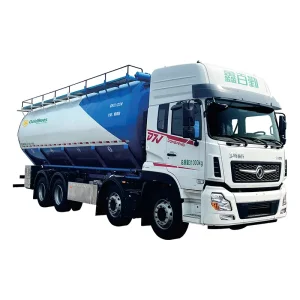
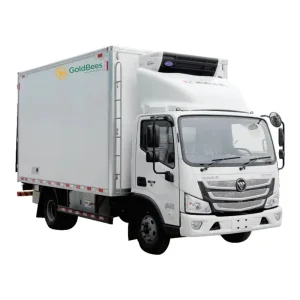
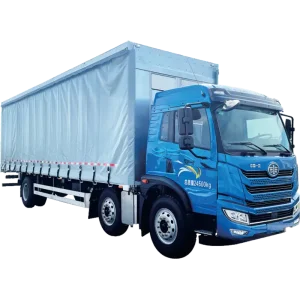
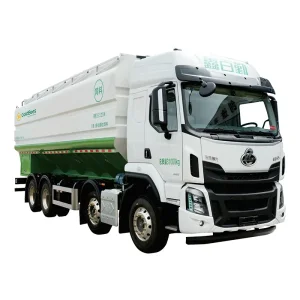
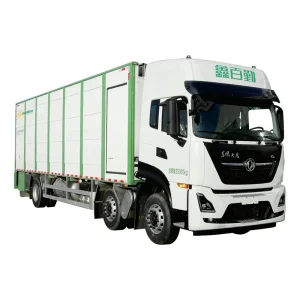
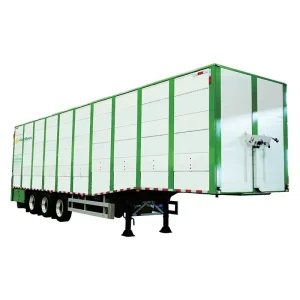
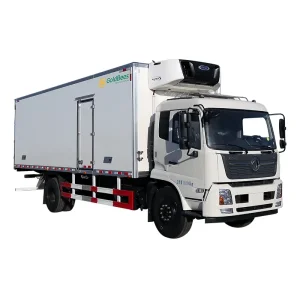
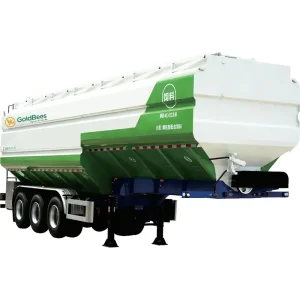
Accelerating global shifts toward closed-loop biosecurity, zero-carbon feed corridors, and autonomous logistics integration.
Global outbreaks (such as African Swine Fever and Avian Influenza) have forced mega-farms to rethink vehicle architecture. The baseline requirement has shifted from mere carrying capacity to sterilizable industrial geometry.
Modern feed processing demands tight control over granular integrity. High-energy extrusion feeds crumble under legacy mechanical augers, reducing nutrient absorption at the farm silo.
Multi-national food corporations face rigorous Scope 1 and Scope 3 reporting. Commercial vehicle fleets must optimize tare weight through aerospace-grade alloy engineering and electrification.
How the Xinbaiqin Cixi manufacturing base combines Fortune 500 agricultural pedigree with smart fabrication automation.
Tanks undergo multi-axis robotic fiber laser cutting and submerged arc welding. This prevents internal slag development that could contaminate fine starter feeds or disrupt sensitive electronic sensor valves.
Associated directly with CP Group (Charoen Pokphand), our engineering units undergo immediate operational stress-testing in the world's most demanding vertically integrated farms prior to mass commercial production.
Whether mating our upper body structures to European prime movers (Scania, Volvo, MAN) or trusted Asian chassis (FAW, Dongfeng, ISUZU, Foton), universal subframes ensure turn-key regulatory road compliance.
Engineered to operate reliably across extreme temperature gradients, poor road infrastructures, and stringent regional animal welfare laws.
Southeast Asia, Central America, Coastal Africa: Extreme relative humidity and ambient temperatures create rapid condensation inside bulk silos and trailers, leading to toxic fungal growth (aflatoxins).
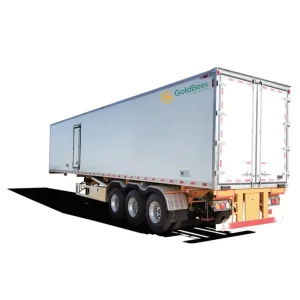
Solution: GoldBees trailers integrate insulated double-skin walls, active dehumidification modules, and forced-air extraction to safeguard protein quality.
Middle East & Australian Outback: Feed and live animals must traverse desert conditions spanning up to 1,500 km per route, facing extreme dust storm abrasion and radiative heat loading.
Solution: Multi-stage cyclonic intake filtration, oversized cooling compressors, and heavy-duty parabolic suspension ensure zero failure on remote routes.
European Union & North American Integrators: Compliance mandates real-time telemetry on ammonia levels, internal temperatures, carbon dioxide saturation, and continuous drinking water access.
Solution: CE-certified CAN-bus monitoring stations feeding telemetry to the driver cab and headquarters cloud dashboard simultaneously.
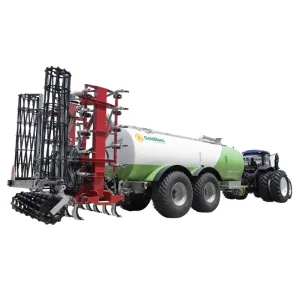
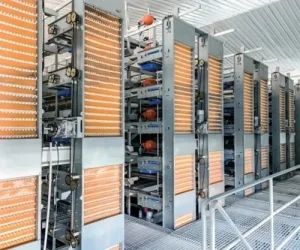
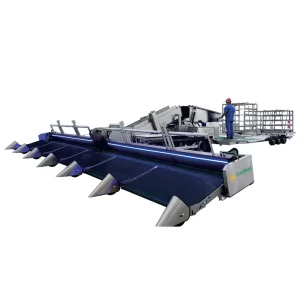
From sustainable NEV logistics to automated live harvest collection and precision soil conditioning systems.
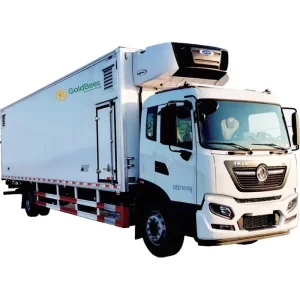
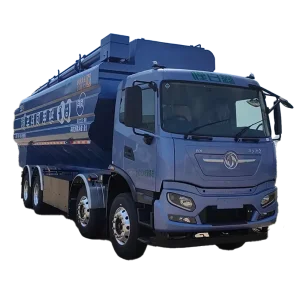
Direct technical explanations addressing compliance, chassis compatibility, biosecurity protocols, and global lifecycle support.
We employ low-RPM, high-torque hydraulic motors paired with oversized flighting pitches in auger systems, reducing friction grinding by up to 60%. In pneumatic configurations, a Roots-type blower maintains stable air volume with reduced velocity, allowing feed to flow smoothly via dense-phase suspension into farm silos without severe wall impact fracturing.
Yes. We regularly supply knock-down (CKD) or fully built-up (SKD) body assemblies matched to subframe specifications for Scania, Mercedes-Benz Actros, Volvo FH, ISUZU GIGA, MAN, and FAW. Pre-calibrated subframes, hydraulic PTO adaptors, and plug-and-play wiring looms allow local bodybuilders or fleet workshops to complete chassis mounting easily.
Every electronic component, sensor harness, and actuator assembly is rated to IP68/IP69K standards. They are engineered to endure direct high-pressure water jets (up to 100 bar at 80°C) and corrosive foam sanitizers without ingress, corrosion, or insulation breakdown. Vehicles also feature smooth interior transitions to facilitate thermal drying cycles.
Our fully enclosed day-old chick transport bodies use positive-pressure laminar ventilation ducts built directly into the ceiling and sidewalls. Combined with auxiliary micro-diesel generators, twin refrigeration/heating loops, and automated carbon dioxide purge valves, internal temperatures stay locked at 32°C ± 1°C across all tiers regardless of external ambient climate.
