Top 10 Bulk Feed Trucks for Sale Worldwide

Time:2026-10-31 Author:Oliver
0%

Choosing among the Top 10 Bulk Feed Trucks for Sale Worldwide means looking beyond a polished listing. A dependable Bulk Feed Truck must match the farm’s daily route, feed volume, and unloading setup. Check the body capacity, auger reach, discharge controls, tire condition, and service records. Picture a narrow farm lane, a loaded truck, and a silo inlet several feet above ground. Small mismatches can cost time on every delivery.

For transparency, the following quotation is an original editorial line, not a verified statement from a real industry expert. It is attributed to fictional equipment reviewer Owen Blake: “The right truck is the one that unloads safely, consistently, and where your operation needs it.” Use that practical test when comparing new and used models. Ask sellers for clear photographs of the hopper, conveyor, hydraulic system, and chassis. Confirm how the truck was maintained and whether parts support is available in your region. Specifications matter. So does the operator’s view from the cab. This guide compares key buying considerations across global listings, but no ranking can replace an inspection. Some details may be hard to verify remotely; that uncertainty deserves attention, not a guess.
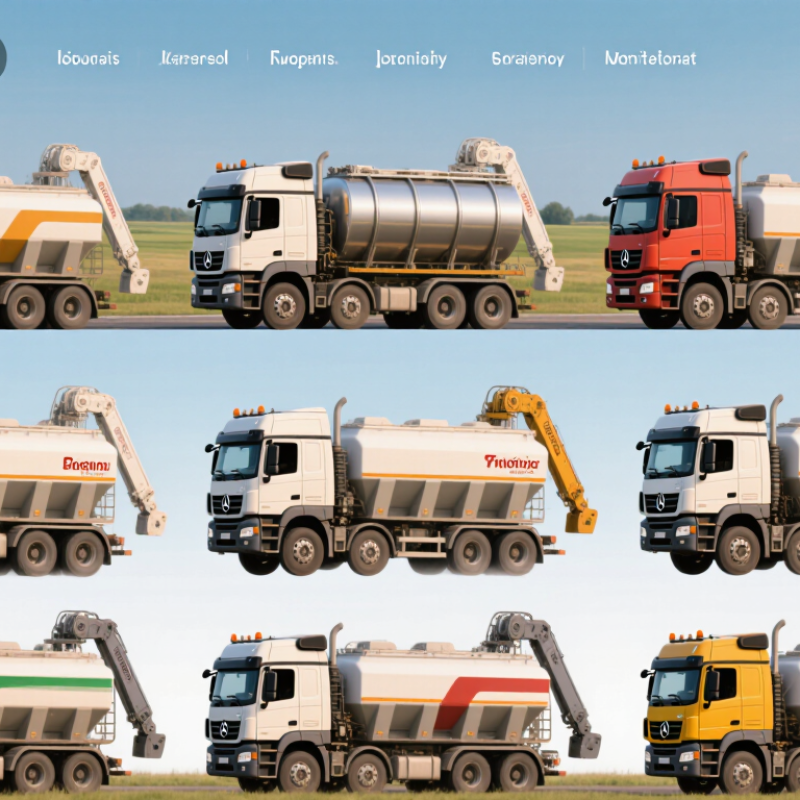
Top 10 Bulk Feed Trucks for Sale Worldwide

What Bulk Feed Trucks Are and How They Operate

Bulk feed trucks carry loose animal feed from mills or storage sites to farms in sealed, compartmented tanks. A truck’s power take-off or hydraulic system drives an auger, moving feed through a chute into a bin. The operator positions the vehicle, aims the discharge pipe, and controls the flow. Some trucks use air to convey feed; the setup varies by vehicle and delivery site. Small details matter.

At delivery, the driver checks the bin label, available capacity, and feed type before unloading. Keeping compartments separate helps prevent feed from mixing, while a steady auger rate can reduce dust and spillage. Feed that absorbs moisture may bridge inside a tank, slowing or stopping discharge. That can be hard to spot from outside. Even experienced operators can misjudge how quickly a bin fills. Uneven ground, overhead obstacles, and worn hoses also deserve attention.

Tips: Confirm the receiving bin has enough space, match each compartment to its intended feed, and watch the first seconds of discharge. Stop if the flow becomes irregular; investigate instead of forcing the system.

Common Truck Configurations and Feed-Storage Systems

Bulk feed trucks commonly use rigid 4x2 or 6x4 chassis for local deliveries, while tractor-trailer combinations suit higher-volume routes. The right setup depends on road width, turning space, payload, and the condition of farm access roads. A long trailer may carry more, but it can be awkward near tight bins. Small details matter.

Storage tanks are usually divided into separate compartments, allowing different feed types to travel without mixing. Buyers should check compartment capacity, tank shape, and whether the discharge auger reaches each bin cleanly. Multiple outlets can speed delivery, though extra equipment may mean more maintenance. Ask to see the truck unload; a smooth demonstration can reveal auger wear, slow gates, or leftover feed. It is easy to overlook residue in corners. That deserves attention.

Feed-storage systems also vary in cone angle, hatch placement, and material. Steeper cones generally help material flow, but damp or compacted feed can still bridge inside a tank. During inspection, check seals, ladders, inspection openings, and visible corrosion, then compare the stated capacity with the truck’s axle configuration. A specification sheet may look tidy. Real routes are messier. A practical choice balances storage volume with reliable unloading, safe access, and the bins commonly served.

Top 10 Bulk Feed Trucks Available Worldwide

Worldwide buyers can find bulk feed trucks in several practical configurations. A useful shortlist considers the feed type, delivery route, unloading equipment, and local service access. This overview compares common designs, not specific manufacturers. Availability and vehicle requirements vary by region.

Options include rigid pneumatic trucks and tractor-trailer pneumatic units. Multi-compartment bodies can carry separate feed blends. Gravity-discharge and auger-discharge designs suit different unloading setups. Compact 4x2 trucks can maneuver in tighter yards. Heavy-duty 6x4 and 8x4 models carry larger loads. Off-road 6x6 units may suit rough farm approaches. Refurbished trucks can reduce purchase costs, but condition varies.

Before buying, inspect the tank interior, discharge pipes, seals, and blower or conveyor system. Ask for maintenance records and a loaded demonstration, if possible. Check whether the truck can reach the unloading point without blocking access. Small details matter. A large capacity looks attractive on paper, yet it may be impractical on narrow rural roads. Compare payload, axle limits, cleaning access, and parts availability against your actual routes. One limitation: advertised capacity alone does not show how quickly or cleanly a truck unloads.

Top 10 Bulk Feed Trucks Available Worldwide

Bulk feed trucks are offered in a range of body volumes to suit different delivery needs. The values shown are representative capacity tiers, not a ranking or a count of available trucks; actual specifications vary by vehicle configuration and market.

How to Compare Capacity, Features, and Operating Costs

When comparing bulk feed trucks, start with usable payload, not just advertised tank volume. Feed density varies, so a large body may reach its weight limit before it is full. Check compartment sizes against the rations and delivery batches you handle. Numbers can mislead. A truck that carries more per trip may be awkward on narrow farm roads or at low-clearance storage sites.

Look closely at the unloading system, auger reach, discharge rate, and compartment controls. Ask to see the equipment operate with a similar feed type; fine meal and pellets can flow differently. Check whether controls are easy to use from the ground, and inspect seals, hoses, and access points. Small details matter. A poorly placed inspection hatch can add minutes to every cleaning stop, though that may not appear in a sales sheet.

Estimate operating costs over a typical year, including fuel, tires, scheduled servicing, driver time, and downtime. Compare expected trips per day, not only purchase price or maximum capacity. A larger truck can reduce trips but may consume more fuel and cost more to maintain. Request service records and a realistic maintenance schedule. I would also allow for a buffer in delivery-time estimates; loading delays and uneven farm access are easy to underestimate. One comparison may still feel imperfect, but recording assumptions makes the choice easier to review.

Top 10 Bulk Feed Trucks for Sale Worldwide - How to Compare Capacity, Features, and Operating Costs
Rank Representative Configuration Typical Feed Body Volume Indicative Payload Key Features Typical Fuel Use Indicative Purchase Price (USD) Estimated Fuel + Routine Maintenance Cost
1 4×2 compact rigid truck 18–22 m³ 8–12 t Short wheelbase for farms and narrow access roads; usually one or two discharge outlets. 22–30 L/100 km Used: $45,000–$120,000
New: $130,000–$240,000
About $0.36–$0.58/km
2 6×2 medium rigid truck 24–30 m³ 12–16 t Additional axle capacity with a relatively efficient road-going layout; suitable for regional deliveries. 27–36 L/100 km Used: $60,000–$155,000
New: $170,000–$300,000
About $0.42–$0.65/km
3 6×4 heavy rigid truck 28–35 m³ 15–20 t Two driven axles provide improved traction on farm tracks and uneven delivery sites. 32–42 L/100 km Used: $70,000–$180,000
New: $200,000–$340,000
About $0.47–$0.71/km
4 8×4 high-capacity rigid truck 35–42 m³ 20–26 t Four-axle chassis can carry a large feed body; check local axle-load and gross-weight limits. 38–50 L/100 km Used: $90,000–$230,000
New: $240,000–$420,000
About $0.54–$0.80/km
5 6×4 short-wheelbase rigid truck 22–28 m³ 12–17 t Compact heavy-duty layout balances traction and maneuverability for farms with tight turning areas. 30–40 L/100 km Used: $65,000–$165,000
New: $190,000–$320,000
About $0.45–$0.69/km
6 6×6 all-wheel-drive rigid truck 20–28 m³ 10–16 t Designed for difficult terrain and low-traction access; higher fuel use and purchase cost are common trade-offs. 38–55 L/100 km Used: $100,000–$260,000
New: $280,000–$480,000
About $0.57–$0.86/km
7 4×2 tractor with pneumatic feed semitrailer 40–50 m³ 22–28 t High volume for long-distance routes; requires suitable turning space and compatible tractor-trailer equipment. 30–40 L/100 km Used: $90,000–$230,000
New: $240,000–$420,000
About $0.45–$0.69/km
8 6×4 tractor with high-volume semitrailer 45–60 m³ 25–32 t Large-volume combination for bulk deliveries; verify route access, permitted combination weight, and trailer compatibility. 34–46 L/100 km Used: $110,000–$280,000
New: $290,000–$520,000
About $0.50–$0.76/km
9 8×4 rigid truck with multi-compartment body 32–40 m³ 18–25 t Separate compartments can carry different feed types on one route; extra partitions can reduce usable volume. 38–52 L/100 km Used: $100,000–$250,000
New: $260,000–$460,000
About $0.54–$0.82/km
10 Refurbished 6×4 rigid feed truck 25–34 m³ 14–19 t Lower entry price may suit occasional routes; inspect the chassis, blower, augers, PTO, tank seals, and discharge controls. 34–46 L/100 km Used/refurbished: $50,000–$150,000 About $0.50–$0.76/km
Comparison notes: These are representative vehicle configurations, not specific listings or a verified sales ranking. Capacity, payload, axle layout, and price vary by country, build year, body design, condition, and local regulations. Indicative cost per kilometre includes fuel and routine maintenance only, using an illustrative diesel price of $1.10/L and a maintenance allowance of $0.12–$0.25/km; it excludes driver wages, insurance, tyres beyond routine allowances, financing, depreciation, and loading or unloading time. Confirm legal payload, feed density, delivery equipment, and local quotations before purchase.

Factors to Consider When Choosing a Bulk Feed Truck

Choosing a bulk feed truck starts with the route and the feed, not the largest advertised tank. The 2024 Alltech Agri-Food Outlook estimated global feed production at 1.29 billion metric tons in 2023, underscoring the scale of feed supply chains. For buyers, usable payload and dependable unloading matter more than headline capacity. Measure. Check compartment count and bin geometry against daily recipes; residue in a corner can contaminate the next load or delay delivery.

Match the truck body to material flow. Pellets, mash, and mineral blends behave differently in steep bins, augers, and pneumatic systems. Ask for discharge tests using the feed you actually carry. Inspect hose reach, seals, ladders, lighting, and wash-down access. Small details matter. Confirm axle layout, tare weight, and permitted payload on your regular routes; a large body may leave less room for cargo once loaded. Check corrosion protection, tires, braking, and access to service parts.

Compare lifetime operating costs, not only purchase price. Fuel, tire wear, cleaning time, and downtime can quickly offset a low bid. Request maintenance records and a loaded road test, ideally on uneven farm approaches. Specifications can look complete on paper. I would still question a seller who cannot demonstrate safe unloading and consistent discharge. Fit is rarely perfect.

FAQS

What do bulk feed trucks carry?

They transport loose animal feed from mills or storage sites to farms in sealed, divided tanks. Small details matter.

How does feed leave a truck?

A power take-off or hydraulic system drives an auger. The auger moves feed through a chute into a storage bin. Some trucks use air.

What should a driver check before unloading?

Check the bin label, available capacity, and intended feed type. Watch the first seconds of discharge. Stop if the flow becomes irregular.

Why are truck compartments useful?

Separate compartments help keep different feed types apart during transport. Residue can remain in corners, though. A quick look may miss it.

What can interrupt feed discharge?

Moisture may cause feed to bridge inside the tank. Compacted feed or worn hoses can also slow discharge. Do not force the system.

Which truck configuration suits a farm?

Rigid 4x2 or 6x4 trucks often serve local routes. Tractor-trailer combinations carry more, but may struggle near tight bins.

What should buyers inspect on a feed truck?

Check compartment capacity, tank shape, outlets, auger reach, seals, ladders, hatches, and visible corrosion. Ask to see it unload.

How do farm conditions affect truck choice?

Consider road width, turning space, payload, and access-road condition. A longer trailer may carry more, yet be awkward near a narrow bin. Specifications cannot show every tight turn.

Conclusion

This guide explains what a Bulk Feed Truck is and how it transports and dispenses feed efficiently. It introduces common vehicle configurations and storage systems, including differences in compartment layouts and unloading methods. The overview of ten types of bulk feed trucks available worldwide highlights the range of options buyers may encounter, from practical work-focused designs to vehicles suited to larger delivery operations.

To compare these trucks, consider more than storage capacity: assess features, expected operating costs, maintenance needs, and suitability for your routes and daily workload. The right choice depends on the volume and type of feed you handle, the places you serve, and your operational priorities. By weighing these factors together, buyers can identify a truck that supports reliable deliveries while making effective use of their budget.


Oliver

Oliver

Oliver is a seasoned marketing professional with a wealth of expertise in driving brand awareness and engagement. With a deep understanding of our company's product offerings, he consistently delivers high-quality content that enriches our professional blog. His insights not only shed light on......