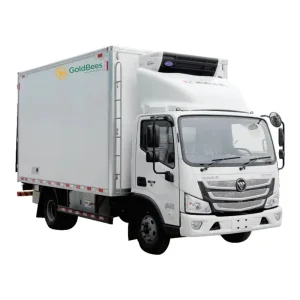
Engineered for minimal mortality, optimal thermal homogeneity, and severe biosecurity control cycles.







A systematic technical overview addressing physiological requirements, energy efficiency, and operational excellence in modern baby poultry transit fleets.
In modern intensive poultry farming, logistics constitutes the most vulnerable interface between the hatchery incubator and the rearing barn. Day-old chicks (DOC) are poikilothermic organisms lacking mature physiological thermoregulation during the initial 72 to 96 hours post-hatch. Minor ambient deviations in vehicle compartments cause catastrophic irreversible physiological decline: sub-optimal temperatures trigger visceral cooling, delayed yolk-sac absorption, and suppressed early-stage immunocompetence, whereas thermal spikes induce respiratory dehydration, severe metabolic acidosis, and prompt lethality.
Selecting a certified baby poultry transport vehicles factory is no longer just an automotive procurement decision; it is a critical biosecurity and biochemical risk hedge. Global industrial operators now mandate rigorous aerodynamic CFD (Computational Fluid Dynamics) modeling, ensuring conditioned positive-pressure airflow circulates evenly through crate stacks without micro-stagnant zones or thermal inversion pockets.
Multi-channel ducted ventilation systems that supply fresh, pre-conditioned air directly down every tier, purging excess metabolic heat, moisture, and CO2 evenly across 120,000+ chicks.
Dual independent refrigeration loops backed by high-capacity auxiliary power generators and PTC heating modules ensure continuous cabin stabilization between 26°C and 29°C across ambient extremes (-30°C to +48°C).
Smooth seamless fiberglass-reinforced polymer (FRP) and continuous-weld marine aluminum liners withstand extreme high-pressure hot-water washouts, peracetic acid disinfection, and thermo-fogging cycles.
How top-tier agribusiness conglomerates and poultry integrators de-risk their supply chain across varying geographies.
Minimizing early farm placement losses directly correlates with stabilized body weight uniformity and superior feed conversion ratios (FCR) during final grow-out phases.
HEPA-grade inlet and outlet biological filtration arrays prevent airborne horizontal cross-contamination between regional farms, quarantining the cargo hold hermetically.
Factory custom-engineered subframes capable of mounting directly onto Scania, Volvo, Mercedes-Benz, MAN, Isuzu, FAW, or Dongfeng commercial chassis without structural voiding.
Cloud-synced IoT telemetry transmitting multi-sensor humidity, internal box air velocity, CO2 concentrations (ppm), and core box temperatures in real time to dispatcher dashboards.
Transitioning from mechanical cargo holds to predictive, AI-governed biological climate capsules.
Integrating artificial neural networks that dynamically adjust fan frequency and air curtain discharge angles based on outside weather forecasts and real-time animal density metrics.
Leveraging high-capacity lithium iron phosphate (LiFePO4) battery arrays to power cooling, ventilation, and data systems, eliminating diesel idling emissions during ferry transit and bio-wash stops.
Next-gen modular body configurations equipped with integrated robotic crate extraction docks to prevent direct human contact with chicks during terminal placement.
In-depth responses covering engineering tolerances, payload configurations, and global certification protocols.
Reliable commercial vehicles and equipment tailored for biosecure agriculture and integrated feed-to-food processing.