Explore heavy-duty pneumatic feed carriers, automated auger semi-trailers, and multi-deck livestock units engineered by GoldBees (Xinbaiqin Special Vehicle / CP M&E) to satisfy stringent ISO, CE, and global biosecurity mandates.
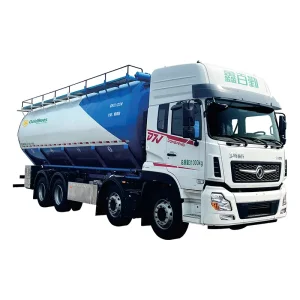
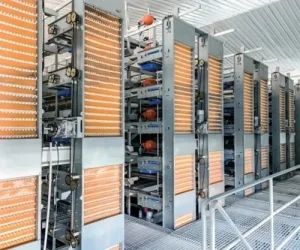
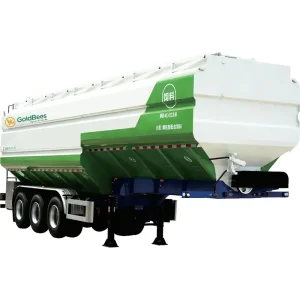
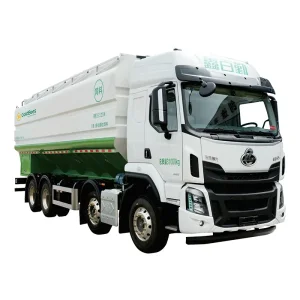
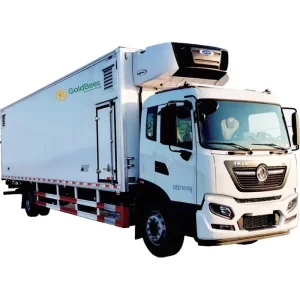
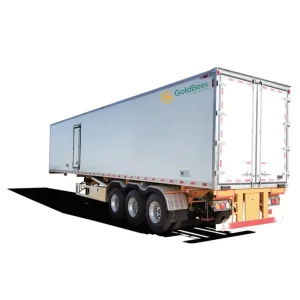
Modern intensive livestock production has transformed the logistics of live animals, day-old poultry, and formulated feeds from basic commercial freight into a highly specialized discipline combining biomechanics, thermal engineering, and strict epidemiology.
Global outbreaks of African Swine Fever (ASF), Porcine Reproductive and Respiratory Syndrome (PRRSv), and Highly Pathogenic Avian Influenza (HPAI H5N1) have completely obsolete open-slat wooden and rudimentary steel trailers. The modern standard demands fully hermetic vehicle bodies, positive-pressure air filtration, integrated multi-stage thermal drying (TADD), and antimicrobial interior surfaces that survive continuous sodium hypochlorite and quaternary ammonium washdowns.
Global regulatory bodies — including the European Commission (EC Regulation 1/2005 and its tightening 2026 revisions), the USDA Animal Welfare Act, and Australia's Land Transport Standards — now require verifiable microclimate control. Fleets must maintain internal vehicle temperatures between 5°C and 30°C, monitor ammonia (NH3) under 20 ppm and carbon dioxide (CO2) below 3,000 ppm, and provide uninterrupted automated hydration systems with real-time black-box telematics.
Soaring diesel costs and strict axle weight caps have pushed leading manufacturers toward aerospace-grade 6061-T6 and 5083 marine-grade aluminum alloys, paired with ultra-high-yield structural steels (e.g., Strenx / Domex 700MC). These weight reductions yield up to 35% lighter tare weight compared to traditional steel fabrications, directly expanding legal payload volumes while slashing fuel burn on empty backhauls.
Review the comprehensive comparative benchmark illustrating how modern intelligent livestock semi-trailers and automated feed tankers differ from legacy open-lattice carriers.
| Subsystem Metric | Legacy Open-Lattice Trailers | Standard Commercial Enclosed | GoldBees / CP M&E Next-Gen Standard |
|---|---|---|---|
| Structural Metallurgy | Carbon steel framework with hot-dip galvanized deck plates (High tare). | Hybrid steel chassis with basic aluminum extrusions. | All-aluminum 6061-T6 alloy monocoque with Strenx 700MC high-stress chassis. |
| Biosecurity Isolation | Zero filtration; natural open crosswinds carry external aerosols. | Manual drop-down shutters; unsealed floor junctions. | Hermetic positive-pressure cabin; HEPA H13 + Carbon pre-filtration + UV-C chambers. |
| Internal Microclimate | 100% ambient dependent; extreme risk of heat stress/frostbite. | Basic exhaust fans without dynamic speed modulation. | Multi-zone HVAC inverter units with independent PID thermostatic regulation. |
| Deck Loading Kinetics | Manual internal ramps; elevated animal heart rate and stress. | Cable-winch multi-deck mechanisms prone to cable stretch. | Dual-cylinder synchronized hydraulic lifting decks with safety locks (CE certified). |
| Sanitation & Washout | 4.5+ hours; porous weld seams prone to organic build-up. | 2.5 hours; standard chemical rinse with manual scrub. | Under 60 mins; continuous seam robotically welded, non-stick smooth radii + built-in CIP sprayers. |
| Telematics & Compliance | None; reliance on handwritten driver logbooks. | Basic GPS tracking without environmental sensor integration. | Integrated CAN-bus IoT gateway; real-time cloud tracking of CO2, NH3, temp, and floor loading. |
Enterprise swine and poultry integrators must navigate distinct regional manufacturing ecosystems. Below is an engineering appraisal of the top market leaders across Europe, North America, and Asia.
Headquarters: Cixi, Zhejiang, China (Direct arm of Charoen Pokphand Group).
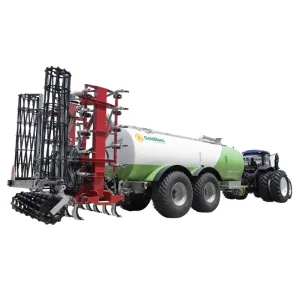
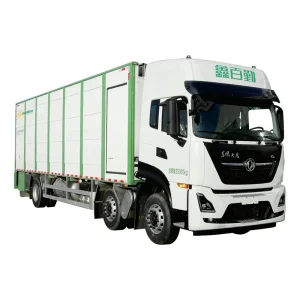
Specialization: Closed-loop animal husbandry transport systems, including positive-pressure biosecure swine semi-trailers, day-old chick climate vans, and pneumatic/electric auger feed carriers.
Competitive Edge: Rooted in the world's largest agribusiness conglomerate, vehicle architectures are battle-tested across millions of commercial swine and poultry heads, combining Tier-1 automation with unmatched cost-to-performance economics.
Headquarters: Italy / Germany / Netherlands.
Specialization: Multi-deck aluminum cattle and sheep transporters compliant with EU EC 1/2005.
Competitive Edge: Superb craftsmanship in lightweight aluminum alloy hydraulic decks and specialized drinker systems. Exceptional for cross-border European regulatory compliance, though carrying premium capital expenditure requirements and extended manufacturing lead times.
Headquarters: United States / Canada.
Specialization: Heavy-duty punch-side aluminum cattle trailers and high-volume swine double-decks.
Competitive Edge: Engineered for rugged long-haul interstate highway conditions with high-tensile extruded aluminum side patterns. Ideal for open-air cattle haulage, with emerging configurations transitioning toward semi-enclosed bio-secure models.
Operational conditions differ dramatically between sub-tropical monsoon zones and sub-zero continental routes. GoldBees customizes every chassis, thermal insulation matrix, and discharge powertrain to regional field constraints.
Target Markets: Southeast Asia (Thailand, Vietnam, Philippines), South China.
Engineering Focus: Extreme humidity and ambient temperatures exceeding 38°C create severe risk of thermal shock and mortality in finishing pigs. GoldBees incorporates high-volume evaporative wet-curtains, high-CFM brushless roof fans, and continuous refrigerated air chillers that lower intake air by 8°C–12°C while eliminating external viral vectors.
Target Markets: Northern Europe, North America, Northeast China.
Engineering Focus: Severe winter temperatures dropping to -30°C cause severe animal hypothermia and freezing of discharge valves. Trailers feature polyurethane (PU) sandwich composite panels, heated sub-floor fluid circuits powered by auxiliary diesel heaters, and automated frost-preventing ventilation louvers.
Target Markets: Middle East, Latin America, Africa.
Engineering Focus: Day-old chicks cannot self-regulate body temperature; carbon dioxide build-up inside transport boxes causes sudden asphyxiation. Our specialized chick transporters utilize pressurized plenum air tunnels that supply 100% fresh, tempered air uniformly across up to 120,000 birds per transit.
Target Markets: Multi-story mega-farms, regional feed hubs.
Engineering Focus: Delivering pellet feed up to 35-meter silo towers without physical degradation or fine generation. GoldBees low-pressure high-velocity pneumatic discharge systems safeguard pellet integrity, reducing pulverization fines below 0.8%.
Industrial scale animal production measures success by three metrics: biosecurity containment index, animal welfare mortality rates, and operational cost per tonne-kilometer.
GoldBees vehicle wiring harnesses, electronic sensors, hydraulic rams, and silicone door perimeter gaskets are engineered to withstand continuous Thermal-Assisted Drying and Decontamination (TADD) cycles up to 75°C (167°F) for 30 minutes. This thermal resilience guarantees 99.999% inactivation of heat-resistant pathogens between farm dispatches without accelerating component wear.
By transitioning from structural steel chassis assemblies to custom-engineered all-aluminum alloy monocoque constructions, an enterprise fleet running 50 trailers saves over 1,800 kg per vehicle in deadweight. Over an average annual duty cycle of 120,000 km, this tare reduction yields up to 8.4% lower fuel consumption per trip and allows an additional 1.8 metric tons of compound feed or live animals per haul.
Responding to strict carbon reporting and regional emissions taxes, GoldBees leads the market in commercial New Energy Vehicle (NEV) bulk feed transporters. Featuring high-density lithium iron phosphate (LFP) battery packs, electrified hydraulic auger discharge mechanisms, and low-noise electric PTOs, our NEV fleet cuts localized carbon emissions to absolute zero during on-farm unloading.
The convergence of artificial intelligence, real-time biosensors, and automated mechanical handling is redefining the future trajectory of livestock and feed logistics over the coming decade.
Deployment of optical infrared animal body temperature cameras and acoustic distress detectors within trailer decks. Machine learning models run locally at the edge to alert dispatchers to localized thermal stress, respiratory coughing spikes, or aggressive crowding behaviors in real-time, triggering automated louver adjustments before animal weight loss occurs.
Integration of flexible roof-embedded monocrystalline solar cells and kinetic energy recovery electric trailer axles (e-Axles). These systems continuously recharge onboard battery banks, allowing 100% continuous HVAC operation and positive-pressure filtration during prolonged border inspections or ferry transfers without idling the tractor diesel engine.
Autonomous dock-to-silo pneumatic coupling systems paired with automated robotic wash-and-disinfection gantries. Feed and livestock vehicles will interface directly with high-density farm biocontainment gates without human driver presence, eliminating the primary risk vector for cross-facility microbial transmission.
Complete your supply chain with CE-certified live pig trailers, multi-tier poultry loaders, wireless remote auger carriers, and food-grade refrigerated cold chain units.
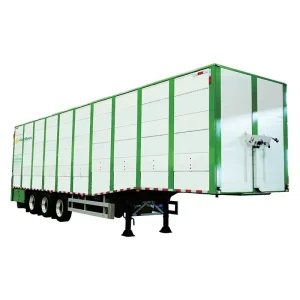
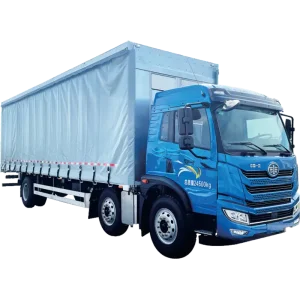
Direct engineering answers covering international homologation, biosecurity disinfection resilience, hydraulic lift maintenance, and turnkey custom manufacturing.
