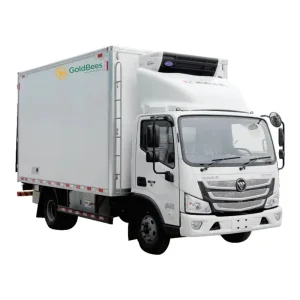
Specialized transport assets engineered to sustain optimal biological integrity, reduce tare weight, and enhance operational ROI.






Transitioning from rudimentary open-cage transit to fully hermetic, bio-secure micro-environmental logistical ecosystems.
The contemporary international poultry industry is experiencing an unprecedented structural consolidation. With global poultry meat consumption projected to outpace all other animal protein sources over the next two decades, agricultural integrators face multifaceted pressures: stringent regulatory oversight regarding animal welfare (such as European Commission Regulation EC 1/2005), compounding biosecurity threats (including High Pathogenicity Avian Influenza - HPAI), and aggressive operational margin preservation. Within this rigorous context, the best poultry transport trucks are no longer viewed merely as commercial chassis fitted with ventilation grilles; they have evolved into critical, precision-engineered agro-logistics life-support systems.
Across traditional transport configurations, Dead on Arrival (DOA) rates fluctuate between 0.3% and 1.2%, heavily exacerbated by extreme thermal stress (both heat prostration and acute hypothermia). Modern automated closed-cabin environmental transport vehicles limit in-transit mortality to less than 0.05%, preserving up to 2.8% of harvest bird weight loss (shrinkage) during journeys exceeding 4 hours.
Complete airborne pathogen isolation via high-efficiency positive-pressure particulate air (HEPA) filtration arrays combined with ultraviolet germicidal irradiation (UVGI). This completely insulates day-old chicks and pedigree genetics from regional avian influenza strains during transit.
Computational Fluid Dynamics (CFD)-optimized ductwork delivers laminar airflow throughout all tiers, ensuring maximum thermal uniformity (ΔT < 1.2°C across any two crate zones) and eliminating localized anaerobic or high-CO2 death pockets.
Fabricated using non-porous 6000-series structural aluminum alloys and high-density, seamless fiberglass composite panels. Complete Clean-in-Place (CIP) washdown protocols allow rapid sterilization cycles resistant to chemical disinfectants.
How digitization, clean energy transitions, and animal welfare compliance are remodeling the live haul sector.
Zero-emission New Energy Vehicles (NEVs) paired with dedicated lithium-iron-phosphate (LiFePO4) auxiliary power units (APU). These decouple HVAC and positive-pressure ventilation units from tractor idle, drastically reducing urban noise and fuel consumption during holding periods at hatcheries or abbatoirs.
Modern live-haul fleets deploy multi-spectrum sensor grids continuously sampling static pressure, relative humidity, dry-bulb temperature, CO2 concentrations (ppm), and volatile ammonia (NH3). Artificial intelligence edge-controllers automatically manipulate fan speeds, louvers, and heating matrices in real time.
Integration with automated harvesting harvesters and self-docking crate loaders. Closed hydraulic drawbar mechanisms and variable-height decks eliminate manual crate dropping, minimizing bird bruising, leg dislocations, and wing hemorrhages while accelerating loading throughput by 300%.
Standardized vehicle templates invariably fail when exposed to geographic extremes. Discover tailored configurations for diverse global operating climates.
Challenge: Ambient temperatures exceeding 38°C paired with >85% relative humidity inhibit natural evaporative panting in broilers.
Engineering Solution: High-volume water atomization misting banks coupled with oversized active extraction fans (exceeding 70 air changes per hour) to establish forced-convective boundary-layer cooling.
Challenge: Acute frostbite risk, cold drafts causing pulmonary congestion, and extreme internal condensation triggering bacterial outbreaks.
Engineering Solution: Fully insulated composite sandwich walls (polyurethane core, λ ≤ 0.024 W/m·K), integrated hydronic heat exchangers connected to chassis coolant circuits, and preheated intake air mixing plenums.
Challenge: Fine sand particulate contamination, blinding fan blades, and intense thermal radiation loads.
Engineering Solution: Multi-cyclonic air pre-separators alongside self-pulsing washable dry filters; high-reflectivity exterior fluorocarbon finishes; oversized independent HVAC auxiliary backup units.
From individual vehicle engineering to comprehensive, end-to-end agro-industrial logistical ecosystems.
Executing an optimized poultry transport strategy requires looking beyond individual vehicles to embrace a Macro Agro-Industrial Solution. In large poultry integration complexes (processing anywhere from 500,000 to 3,000,000 birds weekly), the logistics layer must interface seamlessly with hatchery incubation schedulers, feed manufacturing distribution systems, farm catching schedules, and plant processing lines. As an elite supplier backed by the electromechanical lineage of CP M&E and Xinbaiqin Special Vehicle Co., Ltd., our engineering scope bridges internal equipment design, mobile transport assets, and central digital orchestration.
Standardization of non-corrosive, aerodynamically clean bodies built from high-strength light alloys. Implementation of automated positive-pressure filtration systems and real-time black-box telematics tracking thermal-hygrometric data throughout the journey.
Direct pairing of intelligent chicken harvester machines with mechanized vehicle loading docks. Elimination of human manual bird handling, standardizing container payloads, reducing crate turnover time by 45%, and minimizing bird trauma.
Fleet dispatch systems powered by machine learning algorithms that factor in real-time road conditions, external ambient weather shifts, and live biological sensor data, automatically tuning routing and HVAC run rates to maximize feed conversion retention.
In-depth engineering answers for agricultural procurement directors, biosecurity officers, and fleet operations managers.
While closed climate-controlled vehicles represent an initial capital expenditure premium of approximately 25-35%, the operational return on investment is realized rapidly—typically within 12 to 18 months. This ROI is driven by two key biological vectors: a drastic reduction in Dead on Arrival (DOA) rates (dropping from 0.8% in curtain-siders to < 0.05% in closed bodies) and a reduction in in-transit metabolic weight shrink (saving 1.5% to 2.5% of total live weight). Furthermore, complete insulation mitigates severe pathogen transmission (such as wild bird avian influenza contact), safeguarding multimillion-dollar flock assets.
Every GoldBees vehicle manufactured by Xinbaiqin is built to survive high-frequency Clean-In-Place (CIP) and thermal-chemical disinfection cycles. All interior surfaces feature fully welded, seam-sealed corrosion-resistant marine-grade aluminum or continuous molded antimicrobial fiberglass (FRP) panels without exposed timber or moisture-absorbing fasteners. Wiring harnesses are sealed to IP68/IP69K ingress protection ratings, allowing high-pressure hot-water washouts (up to 85°C at 100 bar) combined with caustic chlorinated or quaternary ammonium sanitizing chemical baths.
Yes. As a primary special vehicle manufacturing facility, our production team builds both complete semi-trailer units and fully custom subframe-mounted rigid bodies. We routinely adapt our subframe mounting plates, hydraulic PTO interfaces, and auxiliary alternator drives to comply strictly with chassis body-builder directives from leading global manufacturers, including European, Japanese, and Chinese chassis brands, matching regional wheelbases and axle weight distributions.
GoldBees Day-Old Chick (DOC) transporters feature autonomous backup energy systems. A high-output diesel auxiliary generator or integrated lithium-ion (LiFePO4) battery storage bank operates independently of the truck's primary drivetrain. If the tractor engine stops or encounters mechanical fault, automatic transfer switching engages within 50 milliseconds to keep all extraction fans, electric heating elements, humidifiers, and control telematics running uninterrupted for up to 10 hours at full operational load.
Standard lead times range from 30 to 60 calendar days depending on configuration complexity and chassis availability. All export vehicles are covered by a comprehensive 12-month structural and electromechanical component warranty. Backed by the international footprint of CP M&E, we supply turnkey engineering documentation, complete exploded-part schematics, and field replacement kits, supported by remote telematics diagnostics and on-site engineering commissioning for large fleet deliveries.
Explore our full lineup of bulk feed distribution units, specialized semi-trailers, automated harvesters, and cold chain vehicles.