Field-proven temperature-controlled solutions, biosecure transport chassis, and automated livestock logistics units built to rigorous international ATP, CE, and HACCP compliance standards.
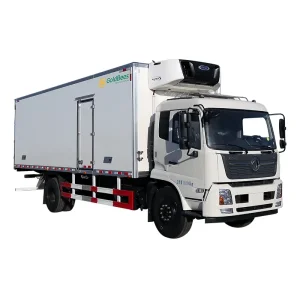



The global cold chain landscape is undergoing an unprecedented structural transition driven by megacity expansion, tightening urban Low Emission Zones (LEZs), and heightened food safety mandates. Urban fresh food transport vehicles—spanning from light-duty refrigerated delivery trucks to heavy multi-temperature semi-trailers—are no longer passive cargo carriers. Today, they operate as thermodynamic micro-environments directly integrated into enterprise resource planning (ERP) systems, telematics platforms, and biological containment protocols.
In the peri-urban and last-mile distribution sectors, the primary vulnerability has always been the thermal bridge effect during multi-drop cycles. Frequent door openings in humid, high-temperature metropolitan areas cause immediate thermal ingress, inducing dew condensation on fresh produce, surface microbial growth on chilled meats, and irreversible shelf-life degradation. Traditional mechanical cooling units struggle with thermal recovery times under continuous stop-and-go urban duty cycles, compounding fuel consumption and localized carbon footprints.
Simultaneously, the integration of agro-industrial giants such as Charoen Pokphand Group (CP Group) into downstream vehicle engineering has created an unmatched technological edge. By applying operational intelligence gathered from millions of metric tons of compound feed, live animal transport, and processed poultry haulage, our manufacturing systems address the exact physical points of systemic logistics failure: structural racking from rapid cornering, floor corrosion from harsh sanitizing detergents, and electrical failures induced by continuous high-pressure washdowns.
An analysis of key engineering metrics evaluated by tier-one supermarket networks, international integrators, and third-party logistics (3PL) conglomerates.
Strict gross vehicle weight ratings (GVWR) inside urban centers restrict gross tonnage. Enterprise buyers require high-tensile lightweight chassis and sandwich composite bodywork that minimize dead weight, boosting net carrying capacity by 12% to 18% per transit run.
Modern retail fulfillment requires transporting deep-frozen proteins (-18°C), chilled dairy (+2°C to +4°C), and room-temperature dry goods simultaneously. Internal insulated bulkheads with dedicated micro-evaporators ensure precise thermal zoning with zero cross-leakage.
With increasing risks of avian influenza, African swine fever, and cross-batch bacterial contamination, body interiors must endure automated alkaline washing, peracetic acid disinfection, and steam sterilization without structural delamination or wiring corrosion.
Buyers require unbroken chain-of-custody data logging. Built-in GPS/cellular gateways transmit second-by-second internal temperature readings, humidity profiles, door status, and refrigeration fault codes straight to cloud-based logistics dashboards.
As cities enforce low-noise nighttime deliveries and carbon-neutral zones, transport bodies must seamlessly mate with electric vehicle (EV/NEV) chassis, drawing energy from high-voltage DC traction batteries without shortening driving range.
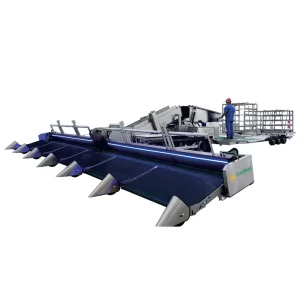
Every commercial ecosystem differs: rear hydraulic tail-lifts for sidewalk roll-container offloading, recessed tie-down tracks for meat hooks, or specialized slide-out sorting tables for peri-urban agricultural distribution.
The manufacturing infrastructure behind GoldBees vehicles at the Xinbaiqin Special Vehicle production campus in Cixi, Zhejiang, represents an industrial benchmark for specialized automotive assembly. Covering over 66,667 square meters of advanced production floor, the facility combines heavy structural engineering with cleanroom-grade composite lamination. Supported by the international mechanical and electrical engineering legacy of CP M&E, the factory produces more than 2,000 specialized vehicles annually.
The competitive advantage of China's Industry 4.0 ecosystem lies in vertical integration. While Western coachbuilders often rely on fractured tier-2 component supply networks—leading to 8 to 14 month lead times—our Cixi facility manages the entire value stream under one roof:
How GoldBees transport platforms adapt to unique infrastructural, regulatory, and climatic operating environments across five continents.
Strict Euro 6e and zero-emission requirements demand slim-chassis electric box trucks with ultra-quiet multi-temperature cooling units (< 60 dB). Bodies are engineered for rapid curb-side unloading using integrated roll-stop rear decks and side roller shutters.
High ambient heat (38°C+) paired with 90%+ relative humidity causes severe condensation and cooling strain. Our tropicalized specifications feature reinforced sandwich panels with 100mm roof insulation, heavy-duty drainage channels, and anti-fungal internal wall liners.
Operating in environments where asphalt surface temperatures can exceed 65°C requires custom condenser coil air-induction ducting, reflective polyurethane exterior finishes, and auxiliary power units (APU) that maintain sub-zero cargo chambers even when the vehicle engine is idling.
Long-distance highway feeder lines transitioning into congested urban supermarket zones. High-volume semi-trailers built with aerodynamic side skirts, heavy-duty air suspension, and dual-evaporator systems suited for high-density pallet loading.
Live chick transit is an exact biological discipline. Bodies incorporate negative-pressure laminar airflow, CO₂ monitoring sensors, and secondary backup heaters that maintain precise 32°C air envelopes regardless of exterior blizzard or desert conditions.
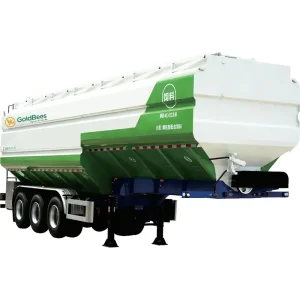
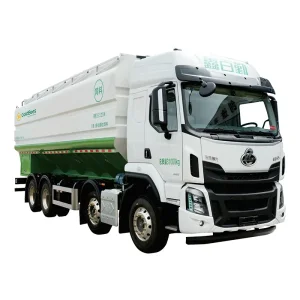
Automated auger and pneumatic feed trucks link compounding mills directly with intensive livestock barns. Sealed internal bins prevent formula cross-contamination, while dust-free offloading systems safeguard surrounding farm biosecurity zones.
High-capacity semi-trailers, automated animal harvesting platforms, and advanced pneumatic feed transfer machinery built for integrated agribusiness operations.
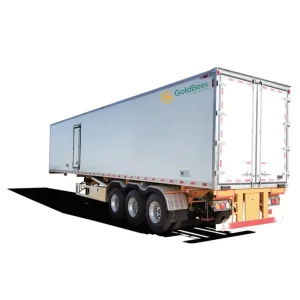

Clear, transparent engineering and commercial guidance for fleet operations executives and supply chain directors.
Whether you require multi-temperature urban refrigerated box trucks, pneumatic bulk feed semi-trailers, or biosecure livestock transporters, Xinbaiqin delivers factory-direct engineering backed by CP M&E agricultural expertise.
Request Technical Specifications & Factory Quote