Precision-engineered vehicles compliant with CE safety standards, optimized for livestock feeds, bulk cereal logistics, and biosecure multi-stage transfer.
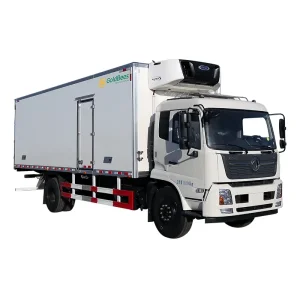
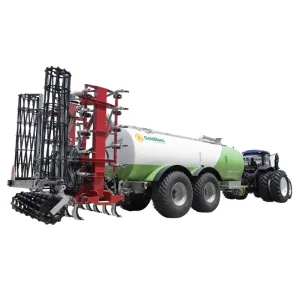
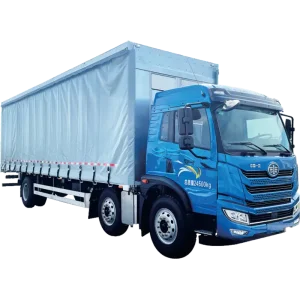
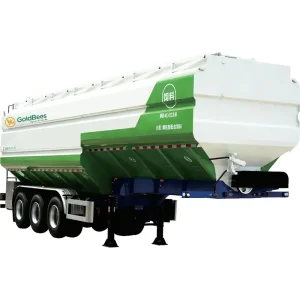
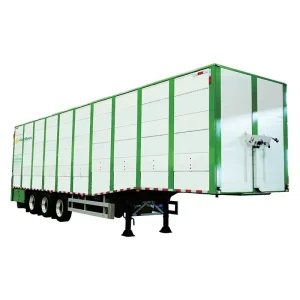
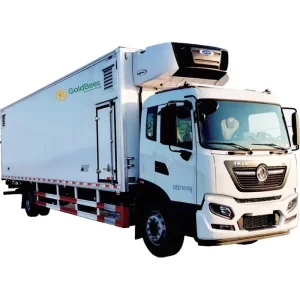
Agricultural trade currently routes over 2.2 billion metric tons of grain and milled products across international borders annually. Bulk grain transport trucks and feed semi-trailers constitute the indispensable arterial connection between maritime deep-water terminals, dry-bulk rail depots, compound feed mills, and decentralized mega-farms.
Historically, bulk grain handling struggled with severe material degradation, high dust generation risks, cross-contamination, and inefficient pneumatic unloading cycles. In contemporary industrial agricultural ecosystems—specifically across the European Union, North America, and dynamic farming regions of Southeast Asia and Latin America—stringent compliance policies govern bulk grain logistics. Operators require CE Marking conformity under the EU Machinery Directive (2006/42/EC) and ATEX Directive (2014/34/EU) for combustible organic grain dust environments. The global commercial focus has shifted definitively from raw payload hauling capacity toward total biosecure encapsulation, continuous digital load telemetry, automated auger-discharge mechanisms, and low tare-weight lightweight alloy architectures that dramatically diminish carbon footprint per metric ton-kilometer.
Deep dive into the critical safety directives and mechanical benchmarks essential for commercial grain transport trucks serving regulated international markets.
Full harmonized compliance governing all motorized auger screw conveyors, articulating discharge booms, and hydraulic hoist mechanisms. Engineering requires dual-circuit fail-safe emergency shutoffs, physical mechanical interlocking barriers, and anti-entrapment intake guards to prevent operator injury during high-volume silo loading.
Combustible grain dust represents a catastrophic ignition risk during high-speed pneumatic blowing and friction-heavy auger cycles. Certified trucks feature antistatic fluid transfer hoses, intrinsic explosion-venting rupture membranes, intrinsically safe electrical routing, and spark-free bronze and austenitic stainless steel contact surfaces.
Applicable to pneumatic dry-bulk tank units operating under positive pressurized conditions (0.15 MPa to 0.25 MPa). Mandates ultrasonic non-destructive weld testing (NDT), automated certified pressure-relief safety valves, and stress-strain structural finite element analysis (FEA) to eliminate tank rupture risks across long transit cycles.
Optimizing tare weight directly governs profitability. The hybrid integration of high-strength structural steel (QSTE 700 / Strenx) subframes with 5083/6061-T6 aviation-grade aluminum tank bodies delivers extreme durability, high resistance to torsion over unpaved farm access roads, and legal payload maximization.
Grain, pulse crops, and fragile pelletized feed compounds suffer extensive financial degradation if fractured into fines during transit and discharge. Our advanced variable-pitch screw geometries and laminar pneumatic blowers ensure low-shear transfer, maintaining pellet structural durability index (PDI) above 98.5%.
Cross-contamination between medicated feeds, organic cereal grains, and specific animal ration formulas is strictly prohibited by food safety authorities. Our specialized silo bodies employ hermetically isolated internal bulkheads, autonomous multi-gate cleanout mechanisms, and sealed access hatches.
Different agro-climatic conditions and infrastructural topologies dictate unique mechanical configurations for bulk grain and feed carriers.
High-frequency shuttle logistics transferring imported wheat, soy, and maize from coastal bulk terminals to inland industrial processing mills. Demands high-capacity multi-axle semi-trailers (up to 65 m³) engineered for rapid bottom hopper discharge, auto-tarping canopy systems, and maximum continuous duty cycles.
Dedicated supply routes servicing modern swine breeding complexes and broiler mega-farms. Vehicles must withstand high-temperature chemical wheel and chassis disinfection tunnels (bactericidal washes) without electrical decay, utilizing extended 360-degree rotating top augers to fill elevated feed silos cleanly.
Operating across remote agrarian landscapes characterized by unpaved paths, steep field tracks, and bridge weight restrictions. Vehicles feature reinforced off-road air suspension, high-articulation kingpins, automated traction differential locks, and compact chassis layouts (4x2 and 6x4 configurations).
Regional distribution networks requiring a single vehicle to simultaneously transport distinct products—such as whole barley, sunflower meal, and steam-flaked corn—across independent compartments without odor migration, cross-contamination, or structural residue retention.
The convergence of electrification, industrial IoT, and regulatory carbon reduction targets is revolutionizing agricultural transport machinery.
Transitioning from traditional diesel-engine mechanical power take-offs (PTO) to independent battery-powered electric power take-off (ePTO) systems. Allows hydraulic augers and blowers to operate at farms completely silently and without local tailpipe emissions, drastically improving biosecurity and reducing noise-induced livestock stress.
Real-time edge computing modules installed directly within tank bulkheads. Multipoint microwave moisture sensors, acoustic level transmitters, and automated temperature mapping nodes transmit continuous cargo telemetry via 4G/5G networks, alerting logistics controllers instantly if condensation or spoilage thresholds are breached.
To eliminate laborious manual washdowns and human entry risks, next-generation grain transport vehicles incorporate integrated automated dry-air purge nozzles and rotating high-pressure liquid sanitization rings. Internal residue elimination drops turnover time by 65% while guaranteeing biosecure certification.
Grain transport trucks do not operate in a silo. Xinbaiqin Special Vehicle, in close partnership with CP M&E of Charoen Pokphand Group, delivers turnkey industrial solutions linking raw crop logistics to table-ready cold chains.
Turnkey feed mill fabrication, automated silo storage plants, hammer mills, and batch mixers designed to produce uniform pellet formulations compatible with pneumatic bulk transport.
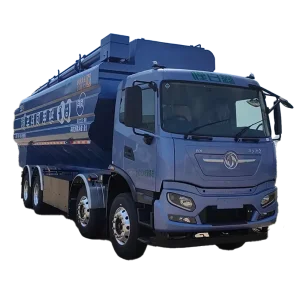
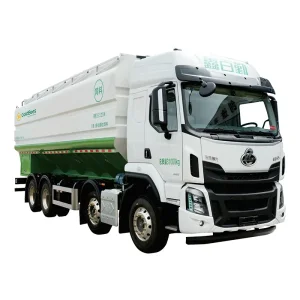
Customization and rapid supply of CE-certified bulk feed trucks, auger semi-trailers, and NEV green logistics vehicles matching specific national axle load and road regulations.
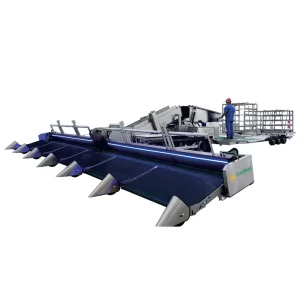
Precision livestock housing, automated feeding lines, day-old chick climate carriers, and intelligent broiler harvesting equipment that minimize contamination risks at the farm gate.
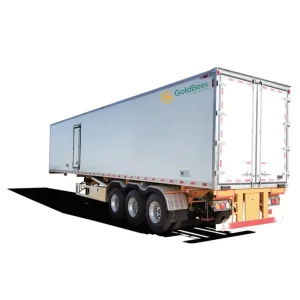
Multi-temperature refrigerated trailers and cold-chain logistics vehicles ensuring farm-to-consumer fresh produce integrity, supported by worldwide spare parts and engineering services.
Essential considerations for technical procurement directors, fleet fleet managers, and international distributors.
Engineered for cold-chain dependability, sustainable NEV bulk haulage, and precision livestock welfare management.