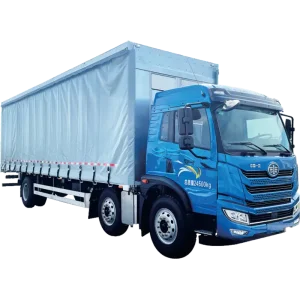
Engineered to international regulatory parameters, guaranteeing uncompromising temperature precision, bio-containment, and structural longevity across regional delivery circuits.






A comprehensive examination of why two-axle thermal architectures dominate medium-duty last-mile fresh distribution, agricultural logistics, and pharmaceutical networks worldwide.
The 4x2 wheel arrangement provides the definitive turning radius necessary for tight urban alleyways, high-density distribution centers, and rural farm lanes. By balancing payload distribution across a single drive axle and a steering axle, logistics operators attain the optimal gross vehicle weight (GVW) rating of 8,000 to 18,000 kg without encountering severe axle-overload penalties.
Modern Chinese specialized bodybuilders leverage continuous vacuum lamination processes, combining high-density extruded polystyrene (XPS) or closed-cell polyurethane (PU) cores with fiberglass reinforced plastic (FRP) skins. This continuous barrier mitigates thermal bridging entirely, yielding heat transfer coefficients (K-values) down to 0.32 W/m²K for multi-zone deep-freeze reliability.
Two axles yield substantially reduced tire friction, lower road tolls, diminished tare weights, and streamlined brake maintenance schedules compared to tandem 6x2 or 6x4 configurations. For fleet operators carrying high-value agricultural produce, chilled poultry, or pharmaceutical ampoules, the 4x2 architecture delivers maximum payload per liter of fuel consumed.
How 4x2 refrigerated trucks bridge the demanding gap between industrial processing hubs and municipal consumer endpoints under diverse geographic constraints.
Configured specifically with integrated multi-deck drainage channels and biosecure airflow seals, 4x2 thermal chassis move day-old chicks, live poultry, and chilled primary cuts between isolated biosecure breeding facilities and municipal processing abattoirs with absolute pathogen isolation.
Navigating restricted low-emission metropolitan zones requires lightweight, highly maneuverable 4x2 platforms. Multi-temperature longitudinal partitions allow the simultaneous transit of deep-frozen seafood (-18°C) alongside fresh field greens (+4°C) without odor or temperature migration.
Ensuring GSP (Good Supplying Practice) compliance for temperature-critical vaccines, biologics, and clinical serums. Precision telematics interface directly with inverter chillers to guarantee temperature stability within ±0.5°C variations throughout fluctuating transit topographies.
Tailored tropical configurations deployed in Middle Eastern and Southeast Asian transport loops integrate heavy-duty reflective outer gels, dual-compressor failovers, and heavy-duty chassis radiators to resist sustained ambient ambient temperatures surpassing +50°C.
How state-of-the-art Chinese specialized vehicle clusters achieve unprecedented vertical integration, scale economics, and rapid bespoke engineering turnaround times.
Operating from modern manufacturing ecosystems such as the Cixi Modern Agriculture Industrial Park, Chinese OEMs centralize everything: sub-frame laser profiling, high-pressure polyurethane foaming, mechanical assembly, and robotic painting lines. This eliminates sub-supplier bottlenecks and slashes lead times from weeks to days.
Backed by institutional engineering roots within CP M&E (Charoen Pokphand Group), Chinese manufacturers design refrigerated bodies based on millions of kilometers of verified agricultural transport operations. Vehicles are not mere speculative builds—they are stress-tested against the harshest real-world biosecurity and livestock hauling stresses.
Thanks to domestic supply proximity for structural steel, aluminum alloy extrusion, and domestic or international chillers (Carrier, Thermo King, Denso, Kaixue), custom body widths, door arrangements, hydraulic tailgates, and multi-deck configurations transition from CAD blueprint to physical roll-off in unprecedented timeframes.
A multi-year forward-looking perspective on electrification, smart telemetry, and ecological refrigerants driving the next generation of cold chain equipment.
| Development Pillar | Current Baseline (Gen 3) | Near-Term Convergence (Gen 4: 2025-2027) | Next-Generation Paradigm (Gen 5: 2028+) |
|---|---|---|---|
| Powertrain Electrification | Chassis-driven engine PTO compressors with auxiliary standby electric motors. | Dedicated High-Voltage EV Chassis (CATL LFP Batteries), high-efficiency electric scroll compressors. | Hydrogen Fuel Cell (FCEV) 4x2 long-range regional vehicles with waste-heat absorption chilling. |
| Insulation & Body Shell | High-pressure PU Foam sandwich panels with wet-laminated FRP sheets. | Vacuum Insulation Panels (VIP) composite inserts reducing wall thickness by 30% for higher internal cube volume. | Bio-based resin composites with graphene-enhanced ultra-low thermal dissipation aerogel matrices. |
| Thermal Control & IoT | Standard digital PLC units, standalone cellular GPS/temperature data loggers. | Cloud-connected CAN-bus telematics with predictive defrost cycles and AI-driven thermal load forecasting. | Autonomous edge-computing nodes optimizing compressor torque in real-time according to external route altitude and ambient heat. |
| Refrigerant Environmental Safety | Hydrofluorocarbons (HFCs: R404A, R134a) with controlled release containment. | Low-GWP synthetics (R452A) with enhanced heat exchange micro-channel aluminum coils. | Natural refrigerants (CO2 - R744 / Hydrocarbons) utilizing transcritical thermodynamic loops for zero Ozone Depletion. |
Ensuring that vehicle deliveries meet host country technical barriers, registration prerequisites, and continuous operational demands.
Every commercial body is designed to comply with United Nations ATP standards (Agreement on the International Carriage of Perishable Foodstuffs), CE machinery and low-voltage directives, as well as specific national homologation protocols across ASEAN, GCC, EAC, and Mercosur jurisdictions.
Whether your fleet relies on Isuzu, Hino, Fuso, Mercedes-Benz, MAN, or Chinese platforms like FAW, Sinotruk, Foton, and Dongfeng, our parametric sub-frame mounting brackets allow turn-key body transfer and seamless chassis integration without compromising OEM chassis warranties.
Standardizing mission-critical wear parts—such as silicone door gaskets, stainless steel hinges, air curlers, safety locks, and universal controller cards—guarantees that overseas mechanics can execute emergency repairs using widely stocked regional inventories without grounding vehicles.
Comprehensive solutions addressing mission-critical fleet specifications, export lead times, and engineering customizations.
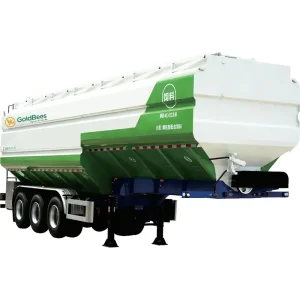
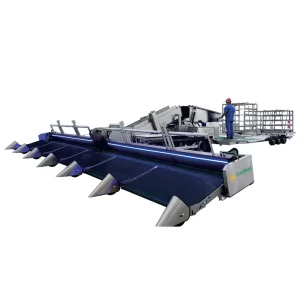
Explore our comprehensive manufacturing series covering bulk feed handling, poultry logistics, and heavy transport semi-trailers.