Factory-direct engineering compliant with ISO biosecurity protocols and international live cargo logistics regulations.



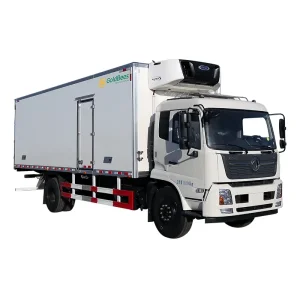

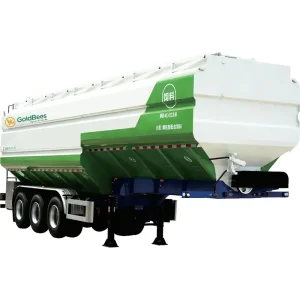
The high-density poultry industry is witnessing an unprecedented paradigm shift: modern commercial hatcheries operate on continental scales, transforming day-old chick delivery from regional driving into precision veterinary bio-logistics.
Day-old chicks (Gallus gallus domesticus) cannot physiologically regulate their internal core body temperature during the initial 96 hours post-hatching. They rely purely on environmental homeothermy maintained between 39.5°C and 40.5°C cloacal internal temperature. In commercial consignments exceeding 80,000 to 140,000 chicks per vehicular load, metabolic heat generation becomes immense: a single consignment produces upwards of 15 kW to 28 kW of continuous sensible and latent heat alongside immense volumes of biological carbon dioxide (CO2) and metabolic moisture.
Traditional ventilated trucks rely on open louvers or basic passive air circulation, causing severe convective micro-climate pocketing. Cold wind-chill near intake vents causes hypothermia and poor yolk-sac absorption, while localized thermal stagnation points at upper-tier center racks exceed 42°C, causing fatal cellular dehydration and respiratory alkalosis. China's advanced manufacturing sector, led by integrated engineering centers like Xinbaiqin Special Vehicle (CP M&E), has pioneered hermetic climate cabins utilizing laminar positive-pressure displacement airflow.
Deconstructing the multi-redundant environmental, mechanical, and pathogen-defense systems designed by specialized Chinese coachbuilders.
Air distribution via pressurized dual floor air-cells and micro-perforated ceiling plenums ensures uniform velocity across every chick box. This eliminates thermal layering and guarantees identical airflow whether chicks are positioned at the bottom bulkhead or the rear ceiling row.
Independent diesel-electric auxiliary generators back up the primary variable-displacement HVAC compressors. Dual independent refrigeration and heating loops ensure zero downtime: should one compressor fail in transit, secondary modules maintain cabin equilibrium without intervention.
Multi-stage filtration featuring coarse washable pre-filters, G4 dust filters, and optional F9/HEPA H13 particulate stages captures avian pathogen-bearing dust, feather dander, and bacterial aerosol vectors before ambient air penetrates the internal chick holding zone.
Real-time edge nodes integrate 32 to 64 NDIR digital CO2 sensors, digital RH transducers, and PT100 temperature probes. Data broadcasts over 4G/5G telematics directly to factory dashboard screens and the driver's in-cab human-machine interface (HMI).
Constructed with seamless food-grade glass-reinforced plastic (GRP) or welded 5083-H111 marine-grade aluminum composite walls. Eliminates cold bridges, structural rivets, and internal crevices where Salmonella, E. coli, and pathogens could survive high-pressure sanitizing washouts.
Utilizing high-tensile structural steel (QSTE700TM) alongside aircraft-grade aluminum alloy superstructure profiles reduces body tare weight by up to 22% compared to conventional chassis, boosting authorized box count while complying with standard highway gross vehicle weight (GVW) limits.
Live poultry logistical assets represent the primary risk vector for Highly Pathogenic Avian Influenza (HPAI) and multi-drug-resistant bacterial spread between sovereign production farms.
Within integrated animal protein organizations such as the Charoen Pokphand Group (CP Group), Day-Old Chick transport vehicles operate strictly as mobile cleanrooms. Specialized manufacturing methodologies enforce hermetic environmental containment:
1. Thermal Disinfection Cycles: Modern vehicle cabins must endure daily cycles of high-pressure detergent washing (up to 120 bar), followed by broad-spectrum chemical misting (quaternary ammonium, glutaraldehyde) and a terminal dry-heat thermo-baking cycle where the internal space is elevated to 65°C for a minimum of 40 minutes to neutralize enveloped viral RNA. GoldBees vehicles feature IP67/IP69K-rated electrical wiring harnesses, marine-grade potted ECUs, and hermetically isolated actuator motors that resist moisture degradation and thermal shock.
2. Dynamic Pressure Gradient Isolation: The internal chick cargo hold is dynamically pressurized to a positive value relative to the ambient exterior (+15 to +30 Pa). This micro-overpressure prevents unconditioned, pathogen-laden highway dust and external farm plumes from seeping through door gaskets, weep drains, or mechanical junctions during transits past high-density poultry production belts.
From tropical equatorial humidity to sub-zero continental plains, China-manufactured Day-Old Chick transport fleets are customized to withstand harsh regional environmental extremes.
Challenge: Ambient temperatures frequently exceed 38°C with 90%+ relative humidity (RH). The danger of fatal heat stress and condensation within chick boxes is critical.
Solution: Dehumidification evaporator banks paired with multi-circuit high-capacity condensation coils. High volumetric CFM fresh air replenishment ensures latent metabolic heat is stripped away before it condenses on box liners.
Challenge: Extreme solar radiation spikes cabin skin temperatures past 55°C, accompanied by fine abrasive sand particulate that chokes HVAC intake grids.
Solution: 100mm vacuum-bonded polyurethane insulation panels clad in heat-reflective gelcoat skins. Multi-cyclone desert air pre-cleaners purge particulate matter before it reaches secondary filtration banks.
Challenge: Ambient temperatures dropping below -30°C pose severe risks of hypothermic shock, frozen air intakes, and diesel waxing.
Solution: Modulating hydronic diesel heating loops with automated recirculation bypass dampers. Thermal intake heat exchangers utilize engine and auxiliary coolant heat to temper sub-zero incoming ventilation air to 26°C before introducing it into the cargo space.
The convergence of New Energy Vehicle (NEV) commercial chassis, AI-driven predictive control models, and cloud-integrated livestock biosecurity systems.
Electric PTO & Zero-Emission Urban Logistics: The poultry industry is actively integrating heavy-duty battery electric vehicle (BEV) chassis for short- and medium-haul DOC transfers. By drawing power directly from high-capacity 800V lithium-iron-phosphate (LFP) traction battery architectures via high-efficiency electric power take-off (e-PTO) inverters, vehicles eliminate idling diesel generator noise and exhaust fumes during nursery farm unloading bays.
AI Predictive Microclimate Regulation: Conventional environmental systems operate reactively via simple PID temperature algorithms. Next-generation GoldBees prototypes implement machine learning models trained on millions of ton-kilometers of transit logs. The AI controller ingests incoming weather radar data, upcoming highway grades, real-time chick age, and flock density to dynamically preempt cooling and heating cycles—preventing thermal overshoot before it starts.
Comprehensive engineering and procurement answers for agricultural logistics directors, poultry integrators, and fleet engineers.
From livestock logistics to complete feed manufacturing plants and automated farming infrastructure engineered by China's leading agro-industrial suppliers.


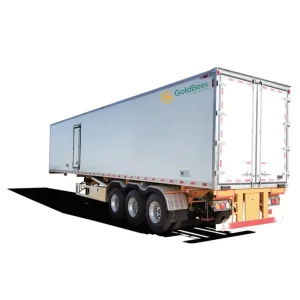
Our engineering department provides bespoke thermal modeling, crate layout optimization, and chassis structural matching tailored to your hatchery operations and geographic transport routes.
