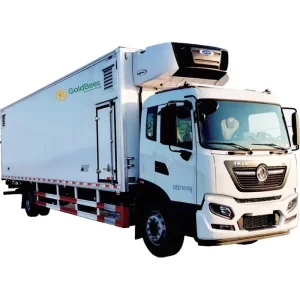
Essential biosecure distribution machinery powering modern multi-stage poultry and livestock ecosystems worldwide.
An analytical overview of the modern poultry hydration paradigm, economic yields, and biosecurity mandates.
Traditional open bell drinkers and trough designs have become unacceptable risks in modern intensive operations due to pathogenic cross-contamination, airborne dust settlement, and bio-film aggregation. Fully enclosed nipple drinking networks guarantee that water remains clinical from entry point to beak contact, directly contributing to disease control protocols globally.
Uncontrolled spillage from legacy watering fixtures escalates house relative humidity, causing damp litter, foot-pad dermatitis (pododermatitis), hock burns, and elevated ambient ammonia levels. Modern precision-metered 360-degree flow nipples regulate discharge to bird uptake capacity, keeping floor shavings dry and dramatically lowering ventilation energy footprints.
Feed Conversion Ratio (FCR) is chemically dependent on steady volumetric water intake. Poultry consume an average of 1.6 to 2 times more water than feed by weight. Calibrated line pressures and variable-stage flow nipples ensure birds avoid dehydration stress throughout growth phases, accelerating carcass finishing and reducing cull margins by 3.2% across standardized flocks.
How advanced metallurgy, IoT sensing nodes, and autonomous flushing modules are redefining livestock water management.
Next-generation nipple drinking valves utilize AISI 304 or 316 stainless steel internal trigger pins combined with surgical-grade polyoxymethylene (POM) housings. High-precision micro-machining prevents lime scaling, chloramine wear, and leak erosion even under aggressive chemical water treatment regimens involving chlorine dioxide or peracetic acid.
Modern drinking infrastructure interfaces with environmental computer arrays. In-line ultrasonic water meters track consumption in 15-minute intervals. A sudden dip in water intake serves as an early algorithmic warning of infectious disease onset 24 to 48 hours prior to clinical symptom manifestation in commercial broiler flocks.
Biofilm formation within closed water lines is directly suppressed through scheduled, high-velocity pneumatic automatic flush systems. Integrated temperature probes trigger cooling purge cycles when standing water temperatures exceed 24°C, preventing thermal refusal by birds during hot weather periods.
Different housing configurations and climatic extremes demand specific nipple hydraulic tolerances and protective frameworks.
High-density battery and colony housing require zero-drip 360-degree trigger nipples with integrated drip cups. Constant low head pressure prevents overflow onto underlying manure belts, preserving dryness for rapid dehydration and ammonia control.
Suspension winching systems equipped with central anti-roost electro-shock wires. Drinking lines lift concurrently as birds mature from day 1 to harvest, keeping the nipple valve height level with the bird's eye for upright, unhindered swallowing dynamics.
Dual-action side-to-side and vertical triggers enable day-old chicks to access water immediately upon housing without requiring separate infant drinkers. For heavy breeding stock, reinforced heavy-duty stems prevent physical fracture under beak force.
Thermal adaptation designs suited for hyper-arid Middle Eastern compounds or humid Southeast Asian houses. Features anti-UV stabilizer pipe compounds, thermal-triggered auto-flushing, and anti-freeze recirculation conduits for continental sub-zero winter regions.
The link between in-house drinking efficiency and outbound biosecure vehicle transport chains.
A closed water line inside the house is only as effective as external containment systems. Contamination vectors cross during transport of feed, livestock, and day-old progeny. Xinbaiqin integrates factory-grade automated drinking configurations inside facility structures while matching them with airtight, wash-down rated logistics trucks to ensure biosecure integrity between facilities.
Enclosed nipple networks serve as the primary route for prophylactic treatments, vaccine distribution, and nutritional supplements. Precision dosers directly inject solutions into header tanks without exposure to sunlight or open air, preserving live-virus vaccine titers and preventing residue degradation across the pipeline.
Integrating pressure reducers, slope compensators for multi-gradient barns, and optical sediment multi-stage filtration units allows operations to save up to 35% in clean water consumption. This reduction cuts downstream slurry handling overhead and supports compliance with international groundwater runoff frameworks.
Critical operational, engineering, and maintenance answers for commercial facility planners and farm contractors.
The standard industry ratio varies depending on bird species, growth stage, and ambient temperatures. In commercial broiler facilities, the ratio is typically calculated at 10 to 12 birds per nipple drinker in moderate climates, and reduced to 8 to 10 birds per nipple in tropical or hyper-arid environments. For heavy commercial breeders, it is recommended to maintain 7 to 9 birds per valve. Caged laying systems generally supply 1 nipple per cage compartment or allocate 1 nipple between 2 partitions (accommodating 4–6 layers per valve) with a secondary safety catchment drip cup underneath.
Hydraulic head pressure should be calibrated gradually. For day-old chicks, the pressure regulator column must be adjusted to a low head height of 10–15 cm (4–6 inches) of water column pressure, yielding a light flow rate around 20–30 ml/min to enable effortless 360-degree pin movement without water spraying into their faces. As broilers develop and beak strength increases, line column pressure is raised incrementally to 30–45 cm (12–18 inches), delivering flow volumes of 60–90 ml/min to satisfy larger birds without requiring prolonged activation time.
Biofilms form when water movement is stagnant or flows at laminar velocities under low consumption rates, enabling pathogens such as Salmonella, E. coli, and Pseudomonas to adhere to the interior surfaces of PVC tubing. An automated flushing module uses solenoid valves to direct pressurized water (1.5 to 2.0 bar) through the system at scouring velocities exceeding 1.5–2.0 meters per second. This shears off biofilm deposits, flushes out residual sugars and organic carriers left by vaccines or vitamins, and introduces fresh, chlorine-sanitized water through the line.
Commercial drinking lines require multi-stage header filtration: a 50–100 micron disc or backwash screen filter to strip coarse silt, followed by a 5–20 micron cartridge filter to prevent fine particulates from lodging behind the stainless steel ball or pin seating faces. Drinking pipelines are built from virgin medical/food-grade rigid PVC or high-density polyethylene (HDPE), with added carbon black or UV-opaque stabilizers to block photosynthetically active radiation, preventing algae growth inside the pipe channels.
Leading Chinese equipment suppliers deliver turnkey integration across the complete production chain. Drinking systems are designed to coordinate with climate controllers, automated winch cables, feed pan sensors, and structural caging frameworks. From internal house logistics to external logistics—such as specialized bulk feed auger trucks, climate-controlled day-old chick transporters, and live broiler transport vehicles—producers get a connected biosecure ecosystem that minimizes operational disruption across flock lifecycles.
Industrial farm logistics equipment engineered for climate resilience, hygiene preservation, and seamless production uptime.