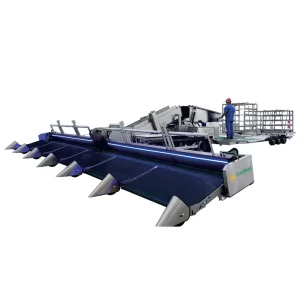
Explore our integrated portfolio of bulk feed transporters, refrigerated units, and advanced live haulage systems built for industrial farming operations.
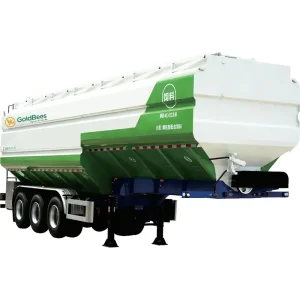

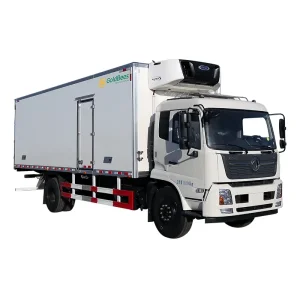



The global animal husbandry sector is experiencing an unprecedented shift toward intensive, biosecure, and welfare-driven transportation infrastructures.
With African Swine Fever (ASF) and PRRS reshaping biosecurity standards across the Americas, Europe, and Asia-Pacific, multi-tier transport is no longer just about carrying volume. A custom 3-layer live pig transport truck represents the modern threshold where maximum spatial utilization meets biological isolation. By isolating air intakes and automating washouts, producers reduce airborne pathogen cross-contamination across vast regional networks.
Strict European transport regulations (Council Regulation EC 1/2005) and North American TQA/PQA guidelines dictate ceiling height, forced air displacement, and maximum temperature thresholds during long hauls. Our 3-deck architecture is precision-modeled to provide continuous internal headroom exceeding 750mm per tier, preventing thermal buildup and limiting transport shrink to well under 1.2% over a 12-hour continuous haul.
Maximizing legal payload under regional axle weight limitations requires severe tare weight reductions without sacrificing chassis rigidity. Utilizing aircraft-grade 5083 and 6061-T6 aluminum alloys across our three independent load levels, the GoldBees structure delivers up to a 28% tare weight reduction compared to legacy carbon steel bodies, providing significant operational diesel or electrical savings.
Engineered by Xinbaiqin Special Vehicle (CP M&E), our three-tier live swine transporters incorporate aerospace fluid mechanics and automated bioprocess engineering.
Equipped with an independent 4-point hydraulic synchronized elevating deck. Animals load at street-level and are lifted tier-by-tier without steep ramps, virtually eliminating leg fractures, muscle fatigue, and porcine stress syndrome (PSS).
Each tier features a dedicated duct network delivering positive-pressure filtered air with variable frequency fan controls. Constant fresh-air exchange (up to 68 air changes per hour) ensures safe internal CO2, ammonia, and humidity limits.
Smart sensors deployed per level broadcast real-time metrics (ambient temp, floor weight, humidity, VOCs) straight to the cab screen and cloud. Automated misting and drinking nipples deploy dynamically based on live heat-stress indexes.
Internal surfaces feature anti-slip textured aluminum plate flooring joined with continuous robotized welds. The internal design has zero blind corners, allowing rapid automated alkaline washing and high-heat drying protocols (TADD).
Decades of practical engineering backed by real operating data from integrated mega-farms.
How the 3-Layer Livestock hauler adapts to varying climatic, geographic, and legal environments worldwide.
Configured with heavy-duty air conditioning compressors, multi-nozzle high-pressure mist cooling, and increased exhaust capacity. Prevents heat exhaustion and dead-on-arrival (DOA) rates in ambient temperatures exceeding 38°C with 90% RH.
Constructed with fully insulated sandwich wall panels (extruded polystyrene core with FRP skins) and integrated auxiliary diesel forced-air heaters. Keeps internal tier ambient temperatures safely above 18°C while hauling through -30°C blizzards.
Engineered for high-health breeding stock (gilts and boars). Integrated with HEPA MERV-16 air intake filtration systems and UV-C lamp arrays to physically block PRRSv and Mycoplasma bacteria from entering the passenger decks during transport.
A strategic breakdown of upcoming milestones in smart agricultural fleet engineering and sustainability.
Widespread adoption of modular extruded aluminum structures, laser-cut unibody frames, and hydraulic dual-cylinder mechanisms. Standardized deployment of multi-point digital temperature sensors and automatic data loggers.
Integration of low-chassis NEV (New Energy Vehicle) platforms directly powering zero-emission auxiliary climate control units. Independent lithium iron phosphate (LiFePO4) battery packs maintaining compartment comfort even during truck idling.
Onboard AI cameras inside each tier providing automated behavioral monitoring. Algorithms detect early pig agitation, aggression, or suffocation risks, automatically adjusting ventilation rates and alerting the driver before losses occur.
In-depth responses for procurement heads, fleet directors, and agricultural engineers.
Reliable commercial units engineered to maintain biosecurity protocols and optimize agricultural supply chains.