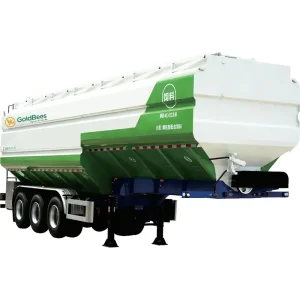
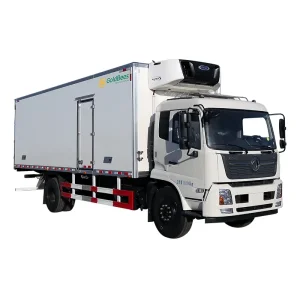
Factory-engineered bulk feed trailers, multi-deck biosecure livestock haulers, and temperature-governed cold chain transporters manufactured by Xinbaiqin (CP M&E).




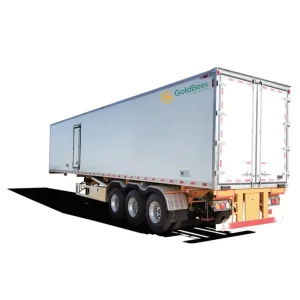


Why Tier-1 agribusiness groups, commercial feed mills, and vertically integrated swine and poultry operators are prioritizing custom trailer engineering over generic chassis bodies.
In the contemporary agro-industrial ecosystem, the transport of compound, pelleted, extruded, and mashed feeds represents a critical logistics junction connecting large-scale milling complexes with distributed farming operations. Agricultural integrators manage volatile raw material costs, tightening carbon footprint directives, and biosecurity mandates. The choice of Custom Bulk Feed Transport Trailers has transitioned from standard fleet asset procurement to a strategic operational imperative directly impacting feed conversion ratio (FCR), biological containment integrity, and lifecycle fleet expenditures.
Standard flatbed or adapted dry-bulk cement tankers fail to address the delicate rheological characteristics of animal nutrition. Pelleted diets, enriched with delicate lipid coatings, heat-sensitive enzymes, and precise vitamin-mineral premixes, undergo catastrophic nutritional degradation when subjected to abrasive pneumatic conveyances or high-shear auger friction. Furthermore, cross-contamination between medication-supplemented formulations and finishing rations exposes integrated producers to regulatory non-compliance and catastrophic recalls.
Pellet durability index (PDI) preservation is central to feed conversion. Specialized internal hopper geometries and low-shear displacement mechanics prevent nutrient stratification, fine generation, and lipid breakdown during high-volume transfers.
With African Swine Fever (ASF), Porcine Epidemic Diarrhea (PEDv), and Avian Influenza circulating globally, trailer superstructures must endure automated thermal-assisted drying (TADD), aggressive caustic sanitation, and 85°C high-pressure wash cycles without electrical degradation.
Fuel consumption and bridge-formula load limitations dictate profitability. Combining aerospace-grade 5083/5182 aluminum alloys with high-tensile domex steel reduces tare weight by 18–26%, maximizing legal payload capacity across multi-farm regional delivery cycles.
Comparative design parameters developed across 15+ years of agricultural transportation manufacturing for CP Group operations.
Configured with continuous variable-pitch, hardened flighting steel augers. Driven by external 380V stationary electric grid hookups or variable-displacement hydraulic pumps coupled to the tractor PTO. Delivers 60–90 tonnes/hour with zero fines generation and eliminates exhaust emissions adjacent to open barn ventilation inlets.
Employs low-pressure oil-free rotary screw blowers paired with micro-aeration fluidizing fluid pads. Capable of vertical elevation exceeding 28 meters to charge elevated commercial grain silos. Closed-loop pressure regulation maintains low air velocity, preserving delicate structural integrity of multi-phase broiler and nursery feeds.
Precision-engineered bulkhead partitions split the tanker body into 4 to 8 independent hermetically isolated cells. Actuated pneumatic gate valves allow synchronized multi-recipe delivery routes to varied production stages in a single logistics run without risk of formula cross-contamination.
Rooted in Cixi, Zhejiang, Xinbaiqin operates under the technical guidance of CP M&E (Charoen Pokphand Group), manufacturing heavy agro-logistics equipment with proven delivery records.
GoldBees vehicle architectures are built using direct operational feedback from commercial farming installations across the globe. Flagship project implementations include:
Engineered to conform with national transport directives, axle-load formulas, and severe environmental operating standards worldwide.
All GoldBees specialized bodies are engineered in accordance with European CE directives, ADR hazard mitigation guidelines, and certified under ISO 9001:2015. Electrical harnesses feature IP67/IP69K sealing against moisture ingress during high-pressure sterilization.
Bulk feed superstructures integrate seamlessly onto leading European, North American, and Asian prime movers, including Mercedes-Benz Actros, Volvo FH, Scania, MAN, Sinotruk HOWO, Shacman, and FAW. Trailer fifth-wheel pins, Kingpins, and landing legs match international SAE/DIN specifications.
From Arctic cold down to -40°C in Northern Eurasia to humid tropical environments exceeding 45°C in Southeast Asia, our trailers feature polyurethane thermal insulation coats, internal anti-condensation moisture barriers, and heavy-duty auxiliary hydraulic oil cooling units.
Pioneering the commercial transition toward zero-emission agro-transport and sensor-driven logistics optimization.
Integrating dedicated high-voltage LFP (Lithium Iron Phosphate) onboard battery packs to drive discharge augers independently. Eliminates prime-mover tractor idling during offloading, slashing depot noise emissions and cutting diesel consumption by up to 4.2 liters per offload sequence.
Cloud-connected multi-sensor arrays provide real-time weight calibration per compartment, automated digital e-seal tracking to prevent en-route tampering, and temperature/humidity continuous recording to guarantee feed quality documentation before silo discharge.
Proprietary high-pressure internal spray balls recessed flush into roof bulkheads allow automated 360-degree washing and hot-air drying between recipe cycles, eliminating confined-space manual tank entry while reducing wash turnaround time by 65%.
Clear, direct answers regarding custom bulk feed transport trailer design, delivery cycles, and technical integration.
Select from our field-tested electric/hydraulic auger semi-trailers, intelligent livestock transport units, and automated cold-chain logistics modules.