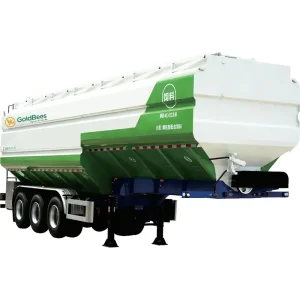
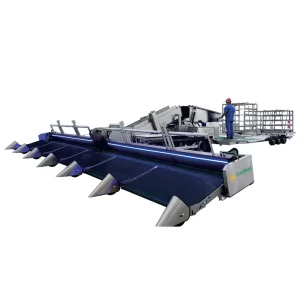
Precision-machined bulk transport systems certified for biosecurity containment, minimal pellet abrasion, and maximized road payload economics.
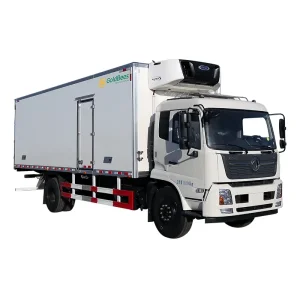

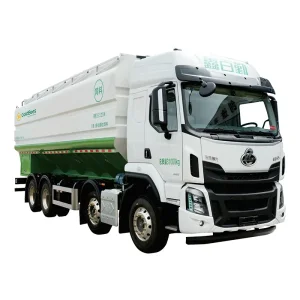


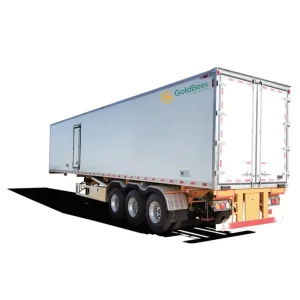

Navigating structural supply-chain consolidation, zero-loss biosecurity corridors, and the rigorous economics of animal feed transport.
Global animal protein production is migrating toward fully integrated farming clusters. In North America, Brazil, and East Asia, independent feed transport is rapidly declining in favor of specialized fleet logistics companies operating customized multi-axle trailers with sealed pneumatic routing.
With persistent threats like African Swine Fever (ASF) and Avian Influenza (HPAI), transport equipment represents the critical biosecurity boundary. Fleets now require anti-corrosive stainless alloys, hermetic tank gaskets, and thermal bake-out compatibility directly integrated into the body design.
Modern compound feeds, fortified with vitamins, micro-nutrients, and fats, degrade rapidly under abrasive friction. Premium companies utilize engineered variable-pitch augers and laminar-flow low-pressure blowers to preserve pellet structure and protect feed conversion ratios (FCR).
Discover how the GoldBees technology stack by Xinbaiqin and CP M&E addresses total cost of ownership (TCO) through lightweight alloys and electrification.
Traditional PTO hydraulic drive drains vehicle engines, elevating fuel consumption and carbon footprint during long silo deliveries. Xinbaiqin's independent electric power modules allow drivers to plug directly into 380V three-phase grid power at the farm silo, eliminating diesel idling.
Every kilogram saved in trailer tare weight directly converts into usable payload capacity. Our structural engineering deploys aerospace-grade 5083 and 6061-T6 aluminum tank weldments, reducing vehicle mass by up to 30% compared to conventional carbon steel counterparts.
Equipped with intelligent load cells, pneumatic valve interlocks, and GPS geofencing, custom transporters ensure medical or high-protein lactation diets are never accidentally pumped into starter pens—mitigating devastating multi-thousand-head contamination risks.
Custom transporter engineering must adapt to regional road constraints, infrastructure density, and extreme climatic variances.
Long highway corridors across the US Midwest or Brazilian Mato Grosso demand high-volume tri-axle semi-trailers exceeding 55m³ volume capacity. Heavy-duty hydraulic multi-stage augers enable reaching elevated silo ports above 12 meters with zero product bottlenecking.
Characterized by compact rural farm roads and tight roundabout navigation, European deployments prioritize rear-steering chassis, low overall vehicle height, and pneumatic blowing units equipped with HEPA filtration silencers to satisfy strict suburban decibel limits.
High ambient heat combined with torrential monsoon downpours accelerates mold and mycotoxin incubation inside feed bins. Transporters deployed in these zones feature insulated double-skin compartment bulkheads, vapor-sealed inspection hatches, and anti-condensation interior coatings.
Through the electromechanical prowess of CP M&E and Xinbaiqin Special Vehicle, custom feed delivery is transformed from isolated trucking into an optimized logistics continuum.
We do not simply build trailers; we configure feed mill loading spouts, dust suppression hoods, and fast-fill pneumatic couplers that synchronize seamlessly with vehicle tank compartments, slashing dwell times by up to 45% during peak milling operational hours.
Vehicles returning from farm perimeter zones undergo automated chassis wheel washes, fogging tunnels, and thermal holding bays. Our structural harnesses, LED lighting modules, and hydraulic lines are specially rated for harsh quaternary ammonium and chlorine chemistry washes.
With over 15 years of dedicated manufacturing scale across a 66,667 m² facility producing 2,000+ units annually, our enterprise supplies global clients with guaranteed modular spare part availability, remote electronic diagnostics, and field technician dispatching.
Direct technical insights to guide capital equipment acquisition and fleet standardization.
Auger systems utilize mechanical spiral conveyors to lift feed vertically into silos. They deliver high discharge volume with zero need for air compressor balancing, ideal for pelleted cattle and pig rations. Pneumatic systems rely on pressurized air streams to convey delicate feeds through flexible hoses, best suited for ultra-tall silos or sites where vehicle positioning is constrained.
Our vehicles feature internal pressure-tested steel or aluminum bulkhead partitions dividing the vessel into 3 to 8 independent compartments. Each compartment operates isolated pneumatic discharge gates, ensuring medicated starter formulas, finisher feeds, and organic compounds remain completely isolated within the same delivery haul.
Yes. We regularly build superstructure body-on-chassis configurations for major truck chassis manufacturers worldwide, including Mercedes-Benz, Scania, Volvo, MAN, Isuzu, FAW, and Sinotruk. Subframes, hydraulic pump mounts, and CAN-bus electrical connectors are custom-engineered per chassis CAD schematics.
All wiring harnesses run within IP67-rated waterproof conduit lines with sealed Deutsch military-grade pin connectors. Tank bodies feature seamless automated robotic welds to eliminate crevices where organic bacteria or chemical disinfectants could cause pitting, oxidation, or bio-film formation.
Discover comprehensive animal husbandry transport machinery, smart semi-trailers, and automated livestock logistics units.