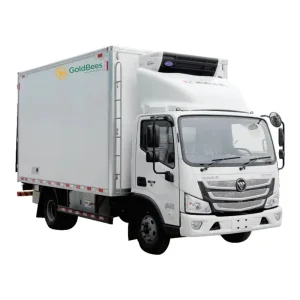
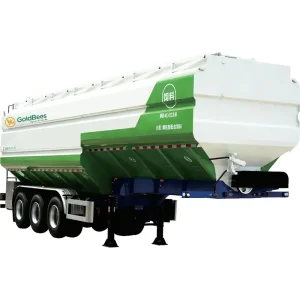
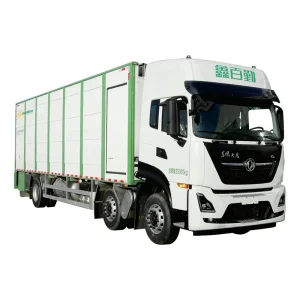
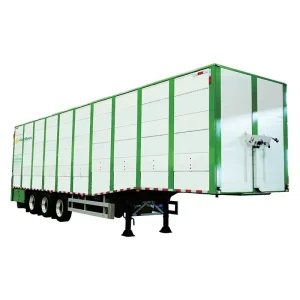
Purpose-built specialized vehicles designed to eliminate cross-contamination, safeguard nutritional pellet integrity, and drive down operational TCO across global farming operations.
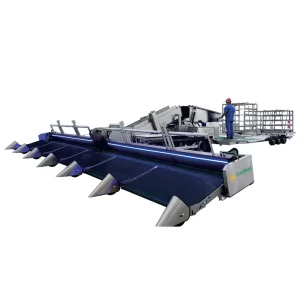
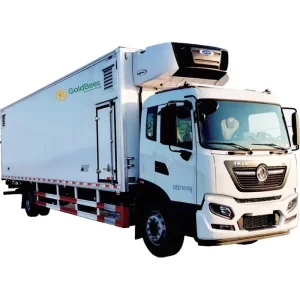
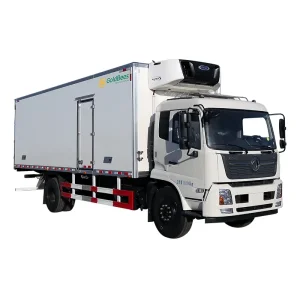
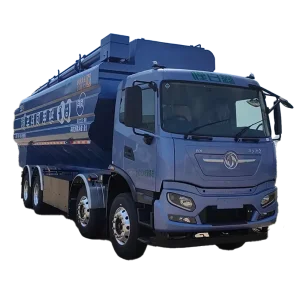
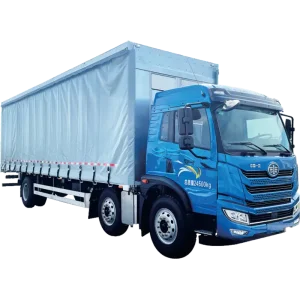
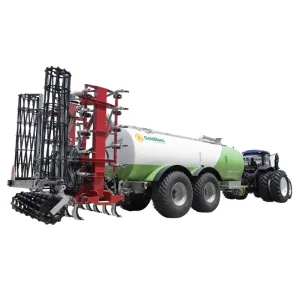
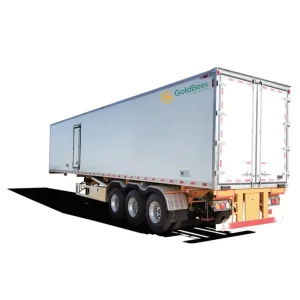
Analyzing the convergence of high-capacity feed delivery, biosecurity protocols, and smart telematics across large-scale commercial poultry and swine production clusters.
Modern intensive livestock production has arrived at a critical operational inflection point. As feed expenditures represent between 65% and 75% of the total variable operating cost in commercial poultry, swine, and dairy production, the mechanical and logistical infrastructure used to transport, meter, and discharge feed compounds is no longer a secondary procurement decision. It is an indispensable driver of the Feed Conversion Ratio (FCR), biological security, and farm enterprise profitability. For multinational agribusinesses and mega-integrators, selecting a recognized, technologically mature famous livestock feeder manufacturer and specialized vehicle builder dictates long-term commercial resilience.
Historically, bulk feed conveyance was dominated by rudimentary hydraulic screw augers and gravity discharge units retrofitted onto standard commercial truck chassis. These legacy platforms exhibited severe functional vulnerabilities: high physical grain abrasion, severe pellet crushing rates (often creating over 12% powdery fines that animals reject), chronic lubricant contamination risk, and structural dead corners that harbored moisture and fungal mycotoxins. Today, global biosecurity mandates—amplified by the endemic persistence of African Swine Fever (ASF) and Highly Pathogenic Avian Influenza (HPAI)—have forced an uncompromising redesign of bulk feed transport hardware and precision delivery mechanics.
Transition from tractor power take-off (PTO) reliance to onboard low-voltage variable-frequency electric augers, eliminating diesel idling emissions, reducing decibels near livestock barns, and slashing unloading fuel consumption by up to 64%.
Internal mirror-polished marine-grade 5083 aluminium alloys, automated internal sanitizing CIP (Clean-In-Place) ring lines, and air-filtration discharge buffers that prevent virulent pathogens from hitchhiking between multi-site complexes.
Real-time bin level telemetry, axle weight strain-gauge sensors accurate to ±0.5%, automated discharge valve sequencing, and geofenced cloud data synchronizing fleet dispatches directly with modern enterprise ERP platforms.
Commercial criteria guiding capital equipment allocations among Tier-1 livestock conglomerates, feed mill corporations, and contract farming consortiums.
Global procurement teams prioritize total cost per ton-kilometer transported over cheap initial capital expenditure. Conventional mild-steel tanks rust rapidly under exposure to organic acids in fermented feed formulations and external road salts, yielding a replacement lifespan of only 5–7 years. In contrast, modern fleets built with high-grade extruded aluminum alloy (6061-T6 and 5083-H111) feature an operational lifecycle exceeding 15 years with minimal maintenance. Furthermore, lightened chassis designs yield an extra 2.5 to 3.8 metric tons of legal payload per haul, translating to an annual freight saving of up to $42,000 per vehicle on high-frequency routes.
A bulk feed carrier travels from centralized mega-mills to hundreds of discrete grower facilities each week. If the feeder tank, discharge chutes, pneumatic dust exhaust lines, or undercarriage cavities contain dead zones that retain damp mash or residual animal fats, bacterial colonies like Salmonella enterica and viral vectors can spread uncontrollably. Enterprise buyers mandate seamless internal continuous seam-welding, rounded transition hoppers (radius > 50mm), Teflon-coated non-stick internal liners, and fully sealed waterproof IP69K electrical junction enclosures capable of surviving repeated daily high-pressure thermal washdowns.
Modern feed science employs micro-pelleting, heat-sensitive vitamins, essential enzymes, and organic trace minerals. Traditional high-speed discharge augers generate excessive frictional heat and shear stress, pulverizing crisp feed pellets into fine dust. When fine dust content exceeds 10%, young broilers and nursery pigs experience respiratory irritation and selective feeding rejection, compromising farm-wide FCR by 0.08–0.15 points. Global buyers insist on low-RPM, high-torque hydraulic drive systems, ultra-smooth flighting angles, and variable conveyor clearance tolerances to guarantee pellet integrity above 98.5% at discharge.
Global operations deploy diversified chassis pools ranging from European tractors (Scania, Volvo, Mercedes-Benz, MAN) to Asian platforms (Sinotruk HOWO, FAW Jiefang, Foton Auman, Isuzu) and North American units (Freightliner, Kenworth). Leading livestock feeder manufacturers engineer universal subframe interfaces, standardized PTO hydraulic pump mountings, and modular CAN-bus multiplex wiring adapters, allowing overseas assembly partners to mount premium upper-tank superstructures onto locally compliant, locally serviced chassis without structural recertification bottlenecks.
Inside the state-of-the-art Cixi manufacturing campus where aerospace metallurgy meets intensive farming electromechanical expertise.
Operating as a specialized vehicle powerhouse closely affiliated with CP M&E (the electromechanical equipment and engineering division of Thailand's Charoen Pokphand Group), Xinbaiqin Special Vehicle Co., Ltd. represents the zenith of specialized agricultural transport fabrication. Occupying a modern 66,667 m² smart manufacturing campus with an annual capacity exceeding 2,000 specialized vehicle units, the enterprise bridges heavy vehicular engineering with firsthand, high-density farm operating feedback from CP Group’s global feed, poultry, and swine complexes.
The manufacturing architecture utilizes an integrated Industry 4.0 model designed to eliminate manufacturing defects, assure airtight precision, and ensure extreme longevity under punishing farm road environments:
Computerized longitudinal and circumferential robotic plasma welders guarantee hermetic joints across tank shells. Continuous penetration welding eliminates interior crevices, eliminating bacterial propagation zones and maintaining vessel structural fatigue resistance up to 1.5 million kilometers.
Every steel chassis cross-member and structural bracket undergoes complete immersion electrophoretic deposition (E-coat) followed by thermosetting powder coating. This delivers exceptional salt spray corrosion resistance exceeding 1,200 hours, resisting corrosive animal urine, silage acids, and sanitizers.
Located in the Yangtze River Delta industrial nexus, the facility leverages local tier-one component ecosystems—from Eaton hydraulic motors and Rexroth multi-way valves to Siemens PLC logic units. This clustering contracts custom fabrication lead times to 25–40 days, nearly half that of Western counterparts.
A rigorous comparative analysis of discharge modalities engineered for modern poultry, swine, and ruminant nutrition logistics.
| Feeder / Vehicle Category | Discharge Mechanism | Throughput Capacity | Pellet Abrasion Rate | Max Discharge Height | Primary Commercial Use Case |
|---|---|---|---|---|---|
| Hydraulic Auger Bulk Feed Semi-Trailer | Triple continuous spiral flight auger with low-shear pitch | 45 – 65 Ton / Hour | < 1.2% Fine Dust | Up to 11.5 Meters | Multi-house swine complexes, long-distance mill-to-silo regional distribution |
| Intelligent Pneumatic Tank Truck | Air-conveyed fluidization blower with micro-vortex nozzle | 35 – 50 Ton / Hour | < 3.5% Fine Dust | Up to 18.0 Meters | High-tower poultry house silos, rugged topography, dust-free bio-sealed delivery |
| Dual-Mode Electric / Hydraulic Rigid Truck | 380V shore power plug-in + chassis PTO backup auger | 40 – 55 Ton / Hour | < 1.0% Fine Dust | Up to 9.8 Meters | Medium-scale broiler farms, contract growers, zero-noise nighttime silo loading |
| NEV Electric Bulk Feed Vehicle | Pure battery electric chassis with integrated e-PTO inverter | 40 – 50 Ton / Hour | < 1.1% Fine Dust | Up to 9.5 Meters | Eco-audited green agribusiness hubs, municipal green zones, low-emission complexes |
| Enclosed Day-Old Poultry Transporter | Constant climate multi-duct laminar positive pressure airflow | 40,000 – 120,000 Chicks | N/A (Live Animal) | Multi-deck Floor Lift | Hatchery-to-farm sensitive transport, core temperature deviation < ±0.5°C |
How GoldBees specialized equipment solves operational hurdles across six major agribusiness continents.
Challenge: Extreme ambient humidity (>90% RH) and intense heat induce feed bridging, caking, and rapid fungal/mold sporulation inside tank compartments.
Solution: Compartments are isolated with dual-wall air gap thermal barriers, anti-condensation air injection aerators, and internal pneumatic fluidizing pads that maintain free-flowing feed properties without thermal degradation.
Challenge: Winter operations drop below -30°C, causing hydraulic fluids to thicken, rubber seals to embrittle, and frozen mash to clog discharge augers.
Solution: Aviation-grade hydraulic pre-heaters integrated into the engine coolant circuit, synthetic low-temperature fluids, and thermal insulated auger troughs assure uninterrupted discharge at sub-zero temperatures.
Challenge: Steep unpaved mountain roads and variable fuel quality demand heavy-duty undercarriage durability and low-center-of-gravity stability.
Solution: Low-profile teardrop tank geometries reduce the center of gravity by 180mm. Reinforced high-tensile domex chassis subframes with SAF-Holland or BPW heavy-duty air suspension prevent rollover risks on steep switchbacks.
In one of Asia's largest single-site egg production developments, Xinbaiqin engineered and supplied the entire logistics backbone: from high-capacity bulk layer feed multi-compartment semi-trailers to climate-stable pullet transporters and fresh-egg climate distribution units. The seamless integration of electric auger feeders delivered an estimated 14.8% reduction in farm-level electricity consumption while holding annual feed pellet attrition to below 0.9%, directly contributing to industry-leading lay-rates across the 3,000,000-bird population.
Direct technical answers addressing chassis compatibility, discharge physics, biosecurity protocols, and export logistics.
Our tanks feature individual airtight bulkheads with pneumatic rubber-sealed knife valves separating each compartment. At the base, the bottom collection auger is engineered with inverted V-drop slide gates and zero-clearance polymer flight wipers that leave less than 0.05% residual material after full cycle discharge. Operators can trigger an automated high-velocity pneumatic purge pulse between compartment discharges, ensuring zero cross-mingling of active veterinary medications into non-medicated withdrawal rations.
Yes. We regularly deliver fully engineered SKD (Semi Knocked-Down) and CKD (Completely Knocked-Down) upper superstructures or completed body-on-subframe modules designed for local mounting. Our engineering department provides complete 3D CAD frame chassis interface drawings matching the exact wheelbases, cab-to-axle dimensions, chassis hole drilling patterns, and PTO splines for Scania, Volvo, MAN, Mercedes Actros, Isuzu Giga, Hino 700, and American conventional cabs. We also supply pre-calibrated electro-hydraulic power pack interface consoles.
Fines are generated when feed is subjected to excessive rotational speeds, pinch points between auger flights and outer tubes, and abrupt 90-degree transition elbows. We resolve this by: (1) Increasing auger tube diameter to 273mm while reducing rotational speed to under 280 RPM, delivering high volumetric throughput without turbulent shearing; (2) Employing progressive-pitch flighting that gently compresses rather than grinds pellets; and (3) Utilizing smooth-curved 135-degree hydraulic swivel heads lined with ultra-high-molecular-weight polyethylene (UHMW-PE) wear sleeves.
The dual-mode system incorporates an onboard 380V/50Hz (or 460V/60Hz for North American markets) 18.5kW – 22kW industrial electric motor coupled directly to a variable-displacement hydraulic pump. When arriving at farm feed silos equipped with standard 3-phase agricultural power drops, the driver connects via a heavy-duty IP67 plug. This eliminates truck engine idling during the 45-minute discharge window, saving 5–8 liters of diesel per load, cutting engine wear hours, and eliminating toxic exhaust emissions and engine decibels directly adjacent to ventilation air-inlets of poultry and swine barns.
Day-old chicks cannot self-regulate their internal body temperatures. Our fully enclosed transporters feature an intelligent microclimate cabin controlled by a dual-redundant HVAC system backed by a dedicated auxiliary onboard generator. The system generates continuous laminar airflow circulating at 0.25 m/s across every crate row, supplying 100% pre-filtered, temperature-conditioned (28°C – 32°C ±0.3°C) fresh air. Real-time CO2 ppm, relative humidity, and core temperature sensors broadcast live alerts directly to the driver’s cab screen and fleet cloud dashboards.
All export vehicles are manufactured under ISO 9001:2015 Quality Management and ISO 14001 Environmental Management certifications. Vehicles engineered for European and Middle Eastern destinations hold full CE compliance documentation covering electrical machinery directives and pressurized vessel directives. Welder qualifications conform to AWS D1.1/D1.2 structural welding codes. We provide third-party pre-shipment inspection documentation through SGS, Bureau Veritas, or TÜV Rheinland upon buyer request.
We provide a standard 12-month or 100,000-kilometer bumper-to-bumper structural and hydraulic component warranty, with extended 36-month warranties available on the main aluminum/steel tank body against structural fatigue cracking. Critical replacement parts (hydraulic motors, proportional valves, solenoids, auger bearings) are standardized with global brands (Danfoss, Eaton, Rexroth, SKF) ensuring instant local parts availability. Additionally, our global technical dispatch team provides remote diagnostics via IoT CAN-bus telemetry or onsite commissioning engineers for major fleet integrations.
Explore our heavy-duty auger semi-trailers, biosecure swine guardians, and sustainable logistics machinery built for the next era of industrial farming.