Discover precision-controlled logistics units engineered for live-bird survival rates, minimal stress load, and automated microclimate biosecurity.


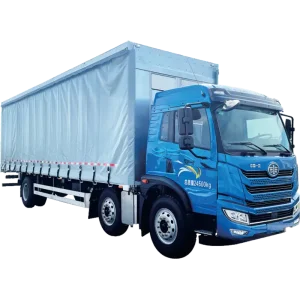
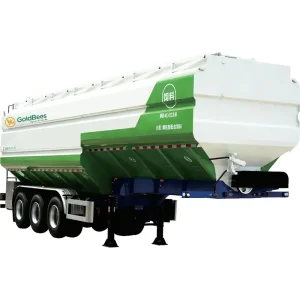




Shifting from basic open-crate transit to hermetically closed, multi-stage climate-regulated transport architectures is a regulatory and economic imperative.
High-density poultry transit exposes day-old chicks (DOC) and market-ready broilers to virulent atmospheric pathogens such as Avian Influenza (HPAI) and Newcastle Disease. Modern integrators require closed air intakes fitted with multi-stage G4 and HEPA filtration, supplemented by continuous UV germicidal irradiation that purifies inward air up to 99.8% before it enters the livestock bay.
Chicks maintain a fragile physiological thermo-neutral envelope strictly between 32°C and 35°C, with core body temperatures critically susceptible to drafts or dead heat pockets. Advanced vehicles integrate dynamic variable-frequency exhaust matrices and automated air mixing baffles that eliminate cold spots and limit temperature deviations to under ±0.5°C across the entire cargo deck.
Procurement directors at tier-one agro-enterprises quantify logistical ROI through DOA (Dead On Arrival) metrics. In standard open-air logistics, heat stress, ammonia saturation, and acute dehydration trigger up to 1.5% - 3.0% loss. Sealed, positive-pressure ventilated transport units drop systemic transport-related mortality rates consistently below 0.08%, directly preserving crop yields and margins.
Global retailers and fast-food poultry supply chains now mandate verifiable animal welfare standards (such as European Farm Animal Welfare Council guidelines and GlobalGAP). Transport fleet operations must provide unalterable, telemetric historical records proving real-time ventilation throughput (m³/h), interior carbon dioxide (CO2) concentrations below 2,500 ppm, and continuous relative humidity maintained within 50% - 65% across regional transit corridors.
Xinbaiqin Special Vehicle leverages CP M&E electromechanical engineering depth, operating a 66,667 m² smart campus built around automated production and field-validated agro-husbandry feedback.
Utilizing fiber laser cutting lines and high-precision robotic welding gantries, our superstructure combines aviation-grade aluminum alloys and high-yield structural steel. This reduces body tare weight by up to 18% compared to industry alternatives, translating directly to higher bird-carrying capacity under strict gross vehicle weight (GVW) limits.
Our bodies are engineered specifically for thermal CIP (Clean-In-Place) washdowns. IP67-rated electrical harnesses, seamless internal food-grade polyurethane wall finishes, radiused floor transitions, and corrosion-proof stainless steel fittings prevent pathogen harborage and stand up to harsh acidic foaming agents and high-temperature drying regimes.
Every GoldBees vehicle features an onboard central PLC linked with real-time digital sensor clusters tracking static pressure differentials, relative humidity, air flow speed, and gas concentrations. Drivers receive predictive cabin alerts, while fleet operations monitor microclimate performance over 4G/5G telemetry to avert thermal spikes before they harm live stock.
Poultry logistics operates under radically different environmental constraints worldwide. Our vehicles are customized to thrive in distinct geographic and logistical realities.
Designed for Southeast Asia, the Middle East, and Sub-Saharan Africa. High-output auxiliary diesel generators power variable evaporator coils that maintain cool interior conditions even in 45°C ambient heat and high humidity, preventing thermal exhaustion during prolonged border delays or traffic congestion.
Configured for Northern Europe, Canada, and Central Asian winters down to -30°C. High-efficiency thermal sandwich composite panels insulated with flame-retardant polyurethane foam work alongside ducted auxiliary water-glycol heating coils to stop drafts and frostbite.
Engineered for long, rough rural routes between hatcheries and grow-out sites. Heavy-duty air suspension systems dampen vibrations that can cause yolk sac rupture in day-old chicks, paired with high-tensile torsional subframes built to handle unpaved farm access roads.
Fully standardized internal dimensions, floor rail profiles, and mechanical locking anchor points integrate seamlessly with automated catching systems, modular transport crates, and robotized processing plant handling systems.
Key technical, regulatory, and mechanical answers to assist fleet engineers, farm directors, and international procurement managers.
From bulk feed pneumatic tankers to specialized swine transport and processing automation, our full engineering catalog supports modern agribusiness operations.




