Engineered with high-tensile structural integrity, multi-temperature thermal isolation chambers, and low-parasitic pneumatic/hydraulic transfer systems.



A critical analysis of food supply security, perishable loss mitigation, GDP pharmaceutical mandates, and fleet decarbonization.
In contemporary global agribusiness and perishable distribution, the economic cost of cold chain fragmentation exceeds $160 billion annually. Perishable food products, biological serums, fresh broiler poultry, and high-health porcine genetic stock demand rigorous, non-oscillating thermal equilibrium. A minor deviation of 2.0°C over an eight-hour highway transit window triggers exponential bacterial proliferation, moisture loss, and accelerated shelf-life decay.
Our advanced transport manufacturing platform bridges the gap between agricultural production facilities and processing terminals. By utilizing composite sandwich body structures with a heat transfer coefficient (K-value) below 0.32 W/m²·K, our refrigerated trucks and semi-trailers preserve critical thermal integrity even across sub-Saharan or tropical operating corridors.
Modern livestock and temperature-controlled food transport can no longer function with generic dry van conversions. Pathogen vectors like African Swine Fever (ASF), Porcine Reproductive and Respiratory Syndrome (PRRS), and High Pathogenicity Avian Influenza (HPAI) have transformed fleet design from simple logistics into mobile biosecure isolation units.
GoldBees vehicles manufactured by Xinbaiqin under CP M&E standards incorporate specialized multi-stage air filtration (MERV 16 to HEPA H14), positive-pressure cabin ventilation, non-porous antimicrobial interior paneling, and automated self-contained high-temperature thermal sterilization circuits capable of neutralising microbial pathogens during return cycles.
How our factory solves deadweight penalties, thermal loss, and operational failure modes through robotic manufacturing.
By combining high-strength DOMEX automotive steel undercarriages with continuous-strand vacuum-bonded fiberglass reinforced plastic (FRP) and aerospace-grade extruded polystyrene core blocks, vehicle tare weight is reduced by up to 18% compared to standard steel configurations, directly increasing revenue-generating payload capacity per trip.
Integrated real-time sensor clusters continuously monitor ambient temperature, relative humidity, carbon dioxide concentrations (CO2 ppm), and atmospheric ammonia inside livestock and chilled chambers. Telematics transmit sub-second data to cloud dashboards via 4G/5G, auto-modulating refrigeration compressors and ventilation vents dynamically.
Our New Energy Vehicle (NEV) series leverages high-energy-density lithium iron phosphate (LFP) traction batteries paired with intelligent electric power take-off (e-PTO) systems. The bulk feed transfer augers and refrigeration cooling units operate with zero exhaust emissions during farm silo unloading and urban food distribution cycles.
Deploying engineered thermal transport assets across four distinct global operational profiles.
In operational theaters where road surface temperatures regularly surpass 65°C and atmospheric heat reaches 50°C, typical insulation fails due to thermal bridging. We integrate 100mm seamless polyurethane high-pressure injection foam with infrared-reflective exterior gelcoats, complemented by heavy-duty auxiliary tropicalized condensing systems that maintain constant -20°C interior freezing capabilities without compressor overheating.
Supermarket supply and quick-service restaurant fulfillment involve 30 to 50 door openings per shift. Our intelligent urban cold chain vehicles feature multi-zone partition bulkheads, high-velocity air curtain curtains that automatically engage upon rear door opening, and variable-frequency DC inverter compressors that restore target interior temperatures within 120 seconds of closure.
When transporting Day-Old Chicks (DOC) or chilled pharmaceutical reagents in winter conditions down to -35°C, heating is just as vital as refrigeration. Our patented HVAC modules provide automated hot-gas bypass reverse cycle heating and auxiliary PTC heating arrays to ensure sensitive biological cargo remains precisely balanced in the critical 30°C to 34°C incubation sweet spot.
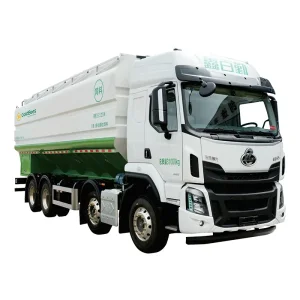
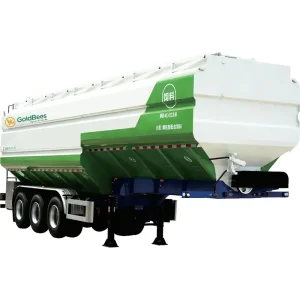
Transporting tens of thousands of tonnes of commercial livestock feed pellets between distant coastal milling centers and inland megasites demands extreme structural rigidity. Our semi-trailers incorporate computerized auger sequencing that unloads at rates exceeding 1.5 to 2.0 tonnes per minute without pellet attrition, pulverization, or nutrient-loss fines generation.
Xinbaiqin Special Vehicle Co., Ltd., backed by CP M&E engineering, manufactures closed-loop agricultural vehicles that guarantee traceability, biosecurity, and low operating overhead.
Clean transport of dry compound formulas via multi-compartment auger and pneumatic trucks. Sealed silos prevent cross-batch contamination, mold contamination from humidity ingress, and structural pest infestation during regional highway transit.
Purpose-built transporters for market broilers, high-value breeding pigs, and sensitive day-old chicks. Climate-managed micro-zones with continuous air exchange eliminate heat exhaustion, transit mortality, and disease exposure.
Chilled carcass distribution, boxed fresh poultry, dairy, and pharmaceutical transport utilizing multi-temperature insulated boxes with ATP Type Approval. Multi-zone variable cooling meets stringent international export criteria.
Direct responses from our chief vehicle development engineers for fleet managers, transport operators, and procurement specialists.
Explore our extended factory line of livestock transports, chick carriers, processing automation, and integrated feed mill logistics trailers.




Whether configuring high-volume bulk feed trailers, biosecure poultry logistics fleets, or specialized multi-temperature cold chain distribution units, our engineering division provides turn-key structural design, route energy calculations, and customized production planning. Contact our factory engineers to discuss your technical requirements.
