Engineered to mitigate DOA (Dead-On-Arrival) attrition, prevent cross-facility biological contamination, and optimize per-ton-kilometer logistics efficiency across regional farm networks.
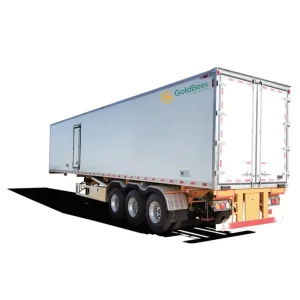
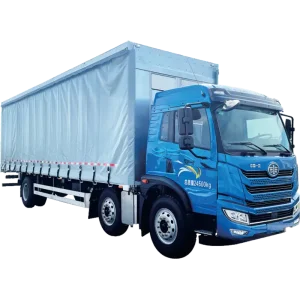
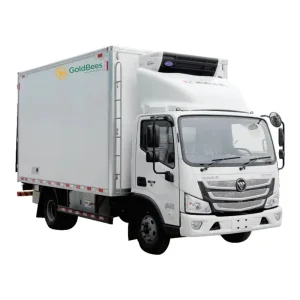
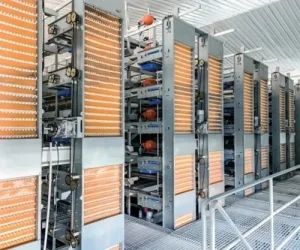
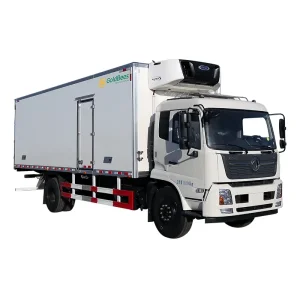
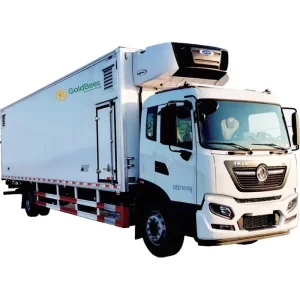
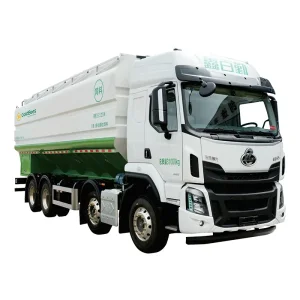
Analyzing aerodynamic body design, multi-stage microclimate control, and microbiological containment across industrial day-old chick (DOC) and slaughter-ready broiler operations.
In modern industrial poultry farming, transport logistics is no longer a simple mechanical hauling process; it represents a vulnerable biological corridor connecting central incubation facilities to broad distribution farming networks. Day-old chicks (DOC) have an immature thermoregulatory capacity, relying heavily on stable ambient temperatures within their thermal-neutral zone (32°C to 35°C), controlled relative humidity (50% to 65%), and continuous air velocity without direct drafts. A temperature deviation exceeding 2°C or CO2 concentration topping 1,500 ppm for extended periods impairs gut development, depletes vital yolk sac nutrients, suppresses the immune system, and elevates early flock mortality.
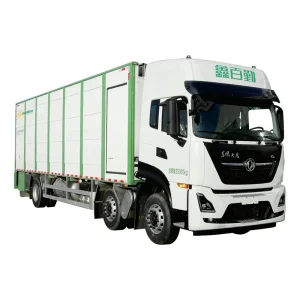
To eliminate these risks, our ODM vehicle manufacturing standard integrates active pressurized laminar airflow designs. Unlike passive slatted transport boxes vulnerable to severe external ambient fluctuations, GoldBees intelligent transport cabins utilize auxiliary generator sets driving industrial HVAC heat pumps, multi-sensor telematics arrays, and positive-pressure clean air filtration. The system dynamically modulates intake dampers, cooling circuits, and positive PTC electric heating coils every 2.5 seconds to balance environmental variables across multi-tier crate layouts holding up to 120,000 birds.
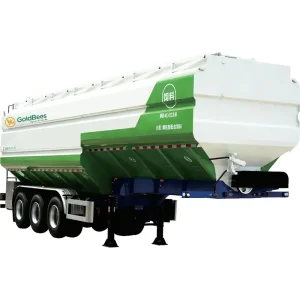
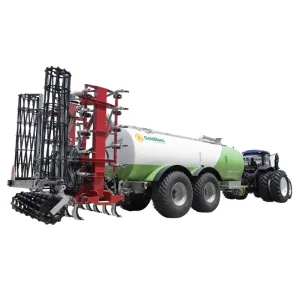
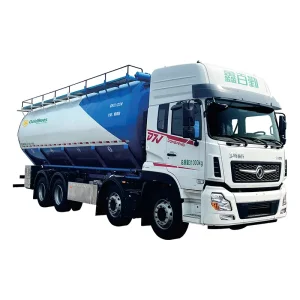
Beyond live bird transit, feed integrity constitutes another vital biosecurity perimeter. Bulk feed auger and pneumatic trucks feature sealed food-grade 6061-T6 aluminum or high-tensile steel bodies with dedicated compartmental partitions. This prevents batch cross-contamination between medicated grower rations and standard finisher feeds, while hydraulic discharge mechanisms reduce pellet attrition and fines below 1.2%, protecting nutrient density and digestive conversion ratios in modern broiler operations.
Harnessing automated robotic welding, specialized metallurgical sourcing, and direct chassis integration from leading commercial vehicle platforms.
Seamless engineering synergy with global commercial truck platforms including FAW, Sinotruk, Foton, Isuzu, and Volvo chassis. Every super-structure subframe is modeled through FEA finite element analysis to ensure torsional stability over unpaved rural terrain.
Employing aerospace-grade aluminum alloy sheets (5083/6061) and ultra-high-yield steels. This cuts tare weights by up to 28% compared to standard carbon-steel trailers, enabling larger legal payload capacity while curtailing lifecycle fuel consumption.
From 3D solid parametric modeling, thermodynamic CFD simulation, laser cutting, automated multi-axis robot welding to complete vehicle testing and paint curing. In-house control eliminates sub-tier contractor quality variance and accelerates production schedules.
Navigating axle weight restrictions, animal welfare statutes, electrical protocols, and cross-border customs regulations across key agricultural territories.
Full compliance with European livestock transport welfare mandates: continuous cabin temperature recording, high/low visual alarms, forced ventilation operating autonomously for 4+ hours, and specialized drinking nipples.
Configured for strict axle bridge formulas, pneumatic braking with standard ABS/EBS modules, SAE lighting patterns, and standard 12V/24V electronic control harness waterproofing.
Designed for Southeast Asian and Latin American routes characterized by 40°C+ ambient heat and 95% relative humidity. Augmented condensing coil capacity prevents thermal saturation during traffic bottlenecks.
Every vehicle assembly conforms to strict CE mechanical directives and electromagnetic compatibility (EMC) regulations, ensuring seamless auxiliary generator operation without sensor interference.
How electrification, automated harvesting interfaces, and IoT telematics are shaping next-generation animal husbandry logistics.
Zero-emission battery-electric bulk feed trucks are transforming delivery routes in urban-adjacent agricultural belts. Electric power-take-off (e-PTO) auger unloading eliminates idling noise and diesel exhaust emissions directly adjacent to sensitive farm houses.
Integrated onboard telematics continuously transmit internal cabin temperatures, humidity, static differential pressure, and location coordinates to farm managers via satellite or cellular links, enabling real-time microclimate adjustments during transit.
Modern broiler transport boxes are optimized for automated mechanical chicken harvesters. Standardized container dimensions allow seamless hydraulic lifter loading, reducing bird handling stress and minimizing processing plant wing damage.
Clear, technical, and commercial insights for agricultural corporate buyers, logistics contractors, and integrators.
Standard custom designs take approximately 30 to 45 business days from final 3D CAD schematic sign-off to factory rolling line completion. Fleet orders exceeding 20 semi-trailers or specialized NEV units follow staged delivery schedules based on customer shipping priorities.
Yes. We regularly supply completely knocked down (CKD) or semi-knocked down (SKD) body kits with pre-assembled electrical control panels, modular air plenums, and hydraulic lift mechanisms, allowing overseas clients to lower import tariffs and assemble bodies onto locally sourced chassis.
GoldBees poultry transport vehicles feature autonomous auxiliary diesel generator units (or high-capacity LiFePO4 battery storage systems in electric models). Even if the truck main engine stalls, independent blowers and air-conditioning units maintain required cabin air exchange rates.
Internal decks and partition gates are constructed from high-grade anodized aluminum alloy (6061-T6) or optional 304 stainless steel. Wiring harnesses are IP67/IP69K sealed to protect against high-pressure hot water washing, caustic foam detergents, and acidic disinfectants.
Review additional configurations in bulk feed auger systems, enclosed livestock logistics, and refrigerated transport trailers engineered for biosecure farm operations.