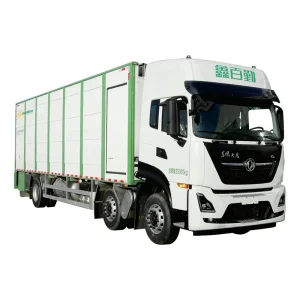
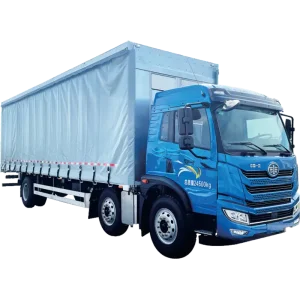
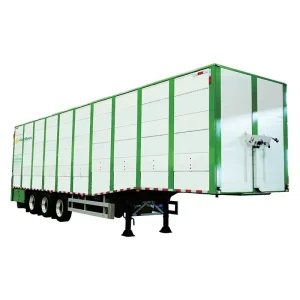
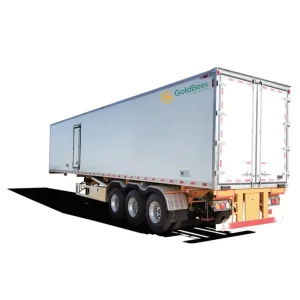
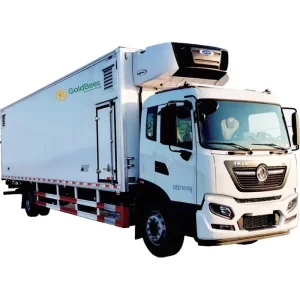
Pre-configured Howo chassis and custom body fabrications engineered for uncompromised ATP cold chains and stringent biosecurity regimes.
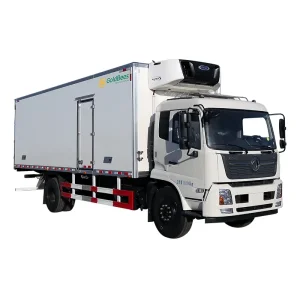
The transition from fragmented regional trucking to highly automated, ATP-certified cold chains is redefining the parameters of refrigerated meat transportation.
Global slaughterhouses and mega-integrators no longer buy trucks merely on initial capex. Modern procurement prioritizes tare-weight-to-payload ratios, fuel burn on high-torque Howo powertrains, thermal conductivity (K-value) retention over 10-year duty cycles, and aerodynamic optimization to reduce per-ton-kilometer transit expenditures.
Preventing cross-contamination in livestock transits and meat distribution requires seamless structural integration. High-pressure wash-down thresholds, antimicrobial seamless gel-coat linings, continuous hot-dip galvanized hanging rails, and ozone sanitation chambers are now standard procurement prerequisites across Tier-1 meat processors worldwide.
Regulatory authorities require continuous temperature logs from abattoir to commercial cold store. Integrating IoT sensors directly into vehicle CAN-bus architectures ensures continuous multi-zone temperature tracking, humidity verification, door opening audit trails, and automatic fault isolation with remote alerts via cloud platforms.
From carcass hanging configurations to high-payload boxed frozen meat distributors, our OEM/ODM custom fabrications optimize every cubic meter of cargo space.
Reinforced roof lattices manufactured with high-tensile steel crossmembers withstand dynamic overhead loads exceeding 15 tons during transit. Integrated aluminum alloy or stainless steel meat rail pathways, equipped with pneumatic or mechanical carcass stops, streamline unloading docks while eliminating manual handling risks and contamination points.
Our vacuum-pressure bonded sandwich panels utilize high-density polyurethane (PU) rigid foam cores (≥45 kg/m³) enclosed by food-grade, glass fiber reinforced plastic (FRP). This eliminates thermal bridging, minimizes refrigeration compressor runtime by up to 28%, and guarantees long-term compliance with Class C refrigerated box standards (-20°C to +12°C).
Built upon rugged Sinotruk Howo chassis platforms, our meat transport vehicles feature proven MAN-technology diesel engines (220 HP to 460 HP) paired with heavy-duty transmissions. Robust leaf spring or electronically controlled air suspensions cushion sensitive hanging cargo, mitigating swing dynamics and reducing meat tissue bruising.
Exporting to over 60 countries requires deep familiarity with disparate axle weight distributions, steering formats, and veterinary hygiene standards.
Every refrigerated box body meets or exceeds ATP standards (Agreement on the International Carriage of Perishable Foodstuffs), including FRC certifications. Vehicles comply with US FDA Food Safety Modernization Act (FSMA) standards, European CE machinery directives, and GCC severe ambient temperature criteria for Middle Eastern logistics corridors.
To serve left-hand drive (LHD) and right-hand drive (RHD) markets—such as Southeast Asia, Africa, and the Caribbean—our engineering team delivers full chassis adaptations. Powertrain variants range from Euro 2/3 for markets with high-sulfur diesel to Euro 5/6 platforms for stringent urban emission control zones.
Backed by the electromechanical footprint of CP M&E and Sinotruk's overseas parts hubs, operators receive rapid-response spares distribution. High-wear components—including refrigeration belts, door triple-lip EPDM seals, compressor valves, and floor drainage plugs—are inventoried across major international transshipment ports.
The convergence of electrification, multi-energy systems, and automated handling is shaping the future of fresh and frozen protein distribution.
Adoption of dedicated lithium iron phosphate (LFP) high-voltage battery modules powering all-electric refrigeration units. Keeps meat cargo at target temperatures during port waits and loading dock delays without idling the primary Howo engine.
Integration of silica aerogel insulation blankets within high-exposure roof and floor segments. Yields a 20% wall-thickness reduction while improving thermal retention, expanding usable carcass cargo volume without exceeding road width limits.
In-chassis misting and ultraviolet (UV-C) sanitization routines initiated between unload and reload. Automated drainage valves flush chemical residues, eliminating bacterial biofilm formation in hanging meat transport boxes.
Next-generation 49-ton GCW Howo semi-trailers paired with long-range hydrogen fuel cells. Tailored for inter-regional, zero-emission cold supply chains spanning distances over 1,000 kilometers per single refueling cycle.
Answers to common structural and mechanical inquiries from international fleet directors, meat packing operations, and cold-chain integrators.
Our meat transportation bodies use custom-extruded aluminum alloy or high-tensile steel tubular framework integrated directly into the side wall and roof sandwich panels before vacuum bonding. This redistributes hanging loads down into the main chassis sub-rails, eliminating roof deflection even when carrying over 15 tons of split beef or pork halves.
Standard flooring features full-welded aluminum tread plate with 300mm welded kick-plates along all internal walls, forming a liquid-tight pan. For heavy corrosive environments, we provide 304/316 grade stainless steel seamless welded pans with built-in siphon drains, one-way valves, and easy-clean grease traps to simplify sanitation between delivery runs.
Yes. We integrate heavy-duty independent and non-independent refrigeration systems from brands like Thermo King, Carrier, or domestic units engineered for tropical zones. Equipped with oversized condensers and dual-compressor setups, our vehicles maintain deep-freeze setpoints (-18°C to -25°C) even in high-heat conditions across Africa, Southeast Asia, and the Middle East.
Standard lead times for custom-engineered Howo meat transportation vehicles range from 25 to 45 working days, depending on chassis availability, body length (from 4.2m city delivery trucks to 13.6m semi-trailers), refrigeration unit lead times, and specific meat rail configuration complexities. Complete project documentation and CE/ATP certificates are provided with every order.
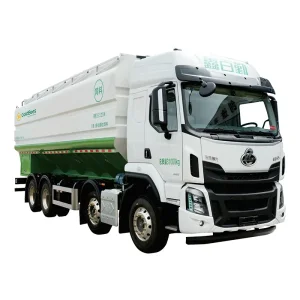
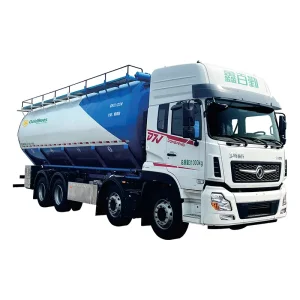
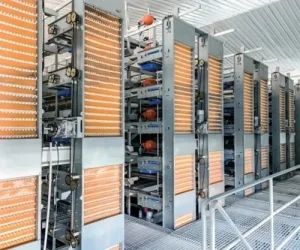
Comprehensive vehicle models supporting livestock handling, farm feed automation, and cold-chain temperature preservation.