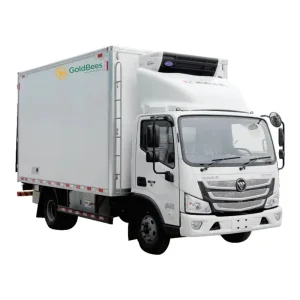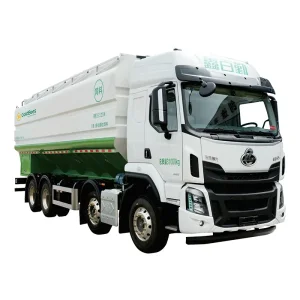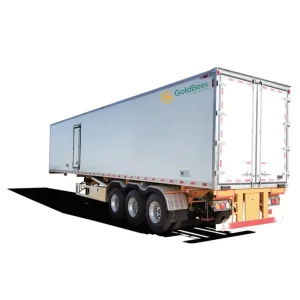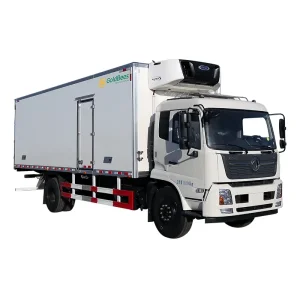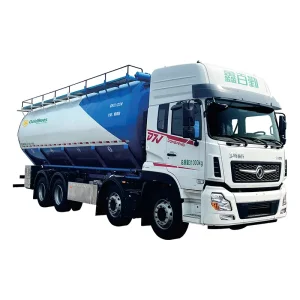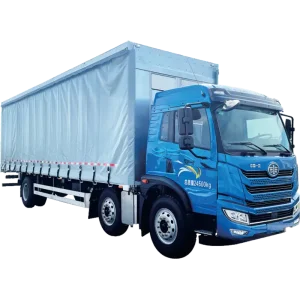
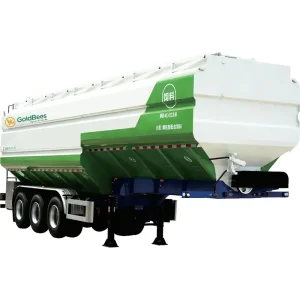
Famous China GoldBees Broiler Transport Truck for Poultry - Safe, Comfortable, Durable | Top Suppliers & Factory Supplier, Product
View Technical Specs
Explore precision-engineered commercial trailers tailored for optimal thermal control, mortality mitigation, and strict pathogen containment across diverse global geographies.
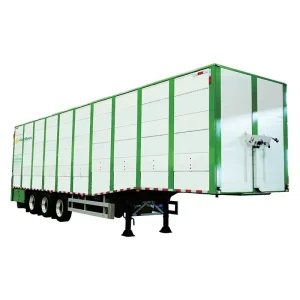
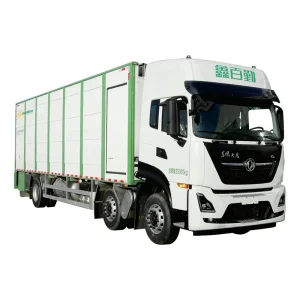
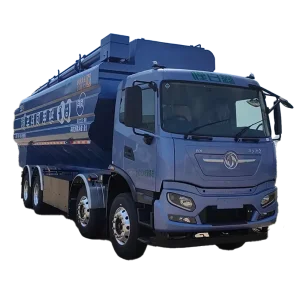
The contemporary livestock transport market is undergoing a paradigm shift driven by stringent African Swine Fever (ASF) quarantine mandates, tightening animal welfare legislation, and the urgent necessity to lower carbon footprints per payload-ton.
Traditional open-slat livestock haulers represent a critical vulnerability for viral spread across regional borders. Modern ODM semi-trailers transition toward fully enclosed, positive-pressure systems equipped with HEPA and electrostatic filtration to prevent airborne viral transmissions.
Heat stress significantly escalates porcine mortality rates and promotes severe dehydration during transit. Modern designs feature dynamic ventilation loops, variable misting cooling arrays, and insulated poly-composite walls to maintain interior microclimates between 18°C and 24°C.
Replacing traditional heavy structural steels with aviation-grade 5083/6061 aluminium alloys decreases tare weight by up to 35%. This engineering shift directly boosts legal payload per haul and substantially decreases operational fuel emissions per transport run.
Enterprise swine operations require modular vehicle architecture to conform with distinct road limits, loading dock specifications, and regional climate volatility.
Flexible 2, 3, or 4-tier configurations utilizing hydraulic synchronous lifting floors accommodate diverse animal categories: breeding gilts, feeder weaners, or full-weight finishing hogs.
Automated interior Clean-In-Place (CIP) systems with high-pressure rotary nozzles expedite washdown cycles, saving labor while ensuring total disinfectant coverage across all structural corners.
Engineered to adapt to diverse commercial prime movers (Scania, Volvo, FAW, Sinotruk) utilizing BPW or SAF-Holland air suspension systems tailored for regional weight tolerances.
Real-time black box logging tracks interior CO2 saturation, ammonia parts-per-million, ambient humidity, temperature levels, and route dynamics with automated driver cockpit warnings.
Operating from our integrated 66,667 m² advanced manufacturing facility in Cixi, Zhejiang, we leverage automated robotics, advanced robotic welding, and vertical supply control to deliver unparalleled turnaround velocity without quality compromises.
Our robotic aluminum extrusion seam welding eliminates structural weld porosity. This produces continuous, liquid-tight internal cargo beds that resist internal waste corrosion and ensure high durability.
Associated directly with the electromechanical arm of Charoen Pokphand Group, our specialized trailers are subjected to iterative trials across industrial feed-to-farm operations.
Vertical integration across chassis conversion, CNC profile stamping, wiring harness fabrication, and thermal assembly condenses project lead times from months down to weeks.
Different agricultural stages require varied transport parameters. Our specialized livestock units solve specific biosecurity and operational hurdles across the pork production cycle.
Moving elite boars and replacement gilts requires zero-pathogen exposure. Our units deploy positive pressure HEPA intake modules, integrated waste retention sumps, and independent water delivery points to safeguard herd genetics.
Young weaners require precise thermal stability to prevent rapid hypothermia during high-speed highway transits. Dynamic warm-air circulation combined with automated feeding nipples ensures transit mortality rates below 0.05%.
For fully grown animals headed to abattoirs, rapid and gentle loading minimizes stress hormones that degrade meat quality. Our non-slip hydraulic tail lifts and flat gangways ease movement without animal injury.
Essential answers regarding build specifications, biosecurity compliance, maintenance, and overseas logistics verification.
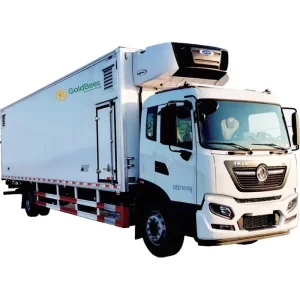
Browse our integrated fleet options including heavy livestock semi-trailers, bulk pneumatic discharge solutions, and refrigerated cold chain transporters.