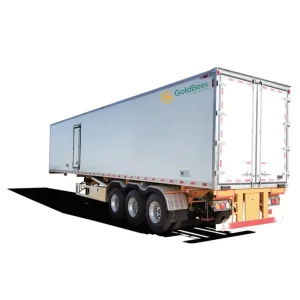
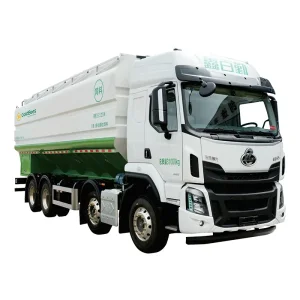
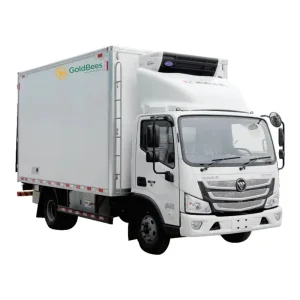
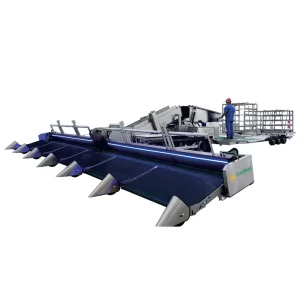
Explore our specialized portfolio encompassing climate-regulated chick carriers, bulk feed pneumatic haulers, and biosecurity semi-trailers configured for global farm deployment.
In modern industrial poultry farming, logistics is no longer a passive hauling operation. It represents a vital epidemiological control point and the ultimate determinant of genetic viability in day-old chicks and grand-parent breeding stocks.
Global cross-border pathogen transmission risks (e.g., H5N1 Highly Pathogenic Avian Influenza) have forced integrators to transition entirely away from open-curtain trucks. High-integrity sealed-containment vehicles with integrated positive-pressure HEPA filtration and thermal decontamination have become regulatory mandates across North America, Europe, and Asia-Pacific.
Day-old chicks lack mature thermoregulatory mechanisms for their initial 72 hours. Deviations outside the narrow rectal temperature bandwidth of 40.0°C to 40.5°C (104°F - 105°F) induce severe yolk-sac absorption inhibition, permanent gastrointestinal damage, and catastrophic flock mortality surges at the grow-out stage.
Modern mega-hatcheries handle up to 500,000 birds daily. Substandard transport systems cause an invisible loss known as the 7-day mortality drag. Tier-1 ODM engineering shifts the TCO curve, recovering capital costs within 18 months solely through chick viability preservation and feed conversion ratio (FCR) retention.
Xinbaiqin (CP M&E) designs vehicles not by mounting off-the-shelf van bodies to truck frames, but via ground-up multidisciplinary thermodynamic and biological integration.
Patented perforated air-delivery ceiling plenums combined with false-floor extraction trenches eliminate microclimate hotspots and CO₂ pockets across all chick crates.
Equipped with primary hydraulic-driven compressors backed by independent auxiliary diesel-electric generators. A 100% mechanical failure backup ensures survival in extreme ambient ranges (-30°C to +48°C).
Integrated bake-out heating units raise internal box temperature to 65°C for 60 minutes between logistics rotations, thoroughly denaturing viral pathogens (PRRSV, PEDv, AI) inside wash bays.
Real-time edge nodes transmit crate-level temperature, relative humidity, air static pressure, and CO₂ ppm levels to cloud dashboards, actively triggering auto-ventilation compensations.
Logistical landscapes dictate equipment specifications. Xinbaiqin adapts chassis engineering, thermal insulation envelopes, and power-train architectures to match regional constraints.
High ambient heat combined with saturated humidity drastically limits evaporative cooling in poultry. Configurations feature oversized cooling chillers, dehumidification cycles, and corrosion-resistant 316-grade stainless steel interior walls capable of handling constant condensation and tropical wash chemicals.
Desert transit routes demand robust air-filtration arrays. Multi-stage self-cleaning cyclonic pre-filters prevent sand ingestion into HVAC condensers, backed by ultra-thick polyurethane sandwich panels with thermal conductivity lower than 0.022 W/(m·K) to reject intense radiant heat.
Logistics over 1,500+ km in winter conditions require high-capacity auxiliary hydronic diesel heaters, insulated chassis fuel lines, and intelligent air-recirculation control algorithms that maintain fresh air intake while preventing freezing drafts across low-tier crates.
The convergence of sustainable propulsion, predictive microclimate intelligence, and automation represents the next era of animal logistics engineering.
Deployment of 100% electric bulk feed trucks and battery-electric auxiliary chick transport refrigeration systems, cutting zero-speed idling emissions during silo discharge and dock loading.
Integration of real-time Computational Fluid Dynamics (CFD) sensors that dynamically alter variable-speed fan arrays based on physiological feedback from bird distress vocalisations.
Harmonization between robotic chicken harvesters and self-docking vehicle load-beds, completely removing manual human labor, handling contusions, and biosecurity contact vectors.
Autonomous self-sterilization cycles employing vaporized hydrogen peroxide (VHP) with automated telemetry verification delivered directly to quarantine monitoring authorities.
Xinbaiqin, operating as part of CP M&E (the specialized industrial equipment division of Charoen Pokphand Group), provides holistic turnkey infrastructure extending far beyond standalone truck building.
Seamless alignment between feed mill loading towers and GoldBees electric/hydraulic auger or pneumatic discharge trailers. Controlled physical transfer protocols eliminate pellet breakage, dust contamination, and nutritional separation.
Full EPC integration connecting environmentally controlled poultry houses directly to specialized broiler collection rigs and day-old chick delivery trailers, standardizing thermal management across the entire animal life cycle.
Direct coupling between live poultry intake and refrigerated meat/egg distribution trailers. Insulated bodies and multi-temperature zones maintain the cold chain from farm-gate to consumer retail shelves.
In-depth technical answers addressing operational compliance, biosecurity parameters, and custom engineering considerations for international buyers.
Review additional commercial vehicle models engineered for large-scale pig production, poultry transport, automated harvesting, and cold distribution.