Engineered body structures with continuous microclimate protection, pathogen barrier sealing, and intelligent real-time monitoring.


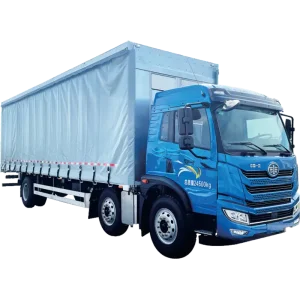




A structural shift toward genetic preservation, high biosecurity standards, and decarbonized transit models across Tier-1 integrated agribusinesses.
With recurrent outbreaks of Highly Pathogenic Avian Influenza (HPAI), transport fleets are no longer simple logistics assets; they serve as movable biosecurity barriers. Modern vans require hermetically sealed bodies, automated wash-down circuits, HEPA micro-filtration, and positive interior air pressure to block external pathogen transmission.
Day-old chicks (DOC) cannot thermo-regulate autonomously during their initial 72 hours. Modern ODM poultry transport vans utilize cross-flow laminar ventilation, precision heating matrices, and zoned cooling, keeping intra-compartment thermal deviations within ±0.5°C regardless of external ambient extremes (-30°C to +45°C).
Regulatory mandates and corporate ESG criteria are pushing the transition toward New Energy Vehicle (NEV) chassis and electric auxiliary PTO units. Electric power ensures zero-emission idle operation during loading and unloading at biosecure farm boundaries without running heavy diesel engines.
Addressing the core technical challenges faced by global fleet operators, integrators, and commercial hatcheries.
Macro Solution: Aerodynamically modeled air ducts combine with variable-frequency axial extraction blowers. This eliminates dead air pockets, circulates up to 6,000 m³/h of fresh filtered air, and evacuates metabolic CO₂ and ammonia spikes without causing cold-shock stress to neonatal stock.
Macro Solution: Structural fabrication integrates aviation-grade anti-corrosive aluminum alloys (5083/6061) or marine-grade stainless steel framing. Wiring harnesses and connectors utilize IP69K sealed assemblies, tolerating boiling chemical washes, high-pressure foam sanitizers, and thermal drying cycles.
Macro Solution: Xinbaiqin supplies turnkey ODM superstructure adaptations engineered for global commercial chassis platforms—including Scania, Volvo, Mercedes-Benz Actros, MAN, Isuzu, Hino, and major Chinese OEMs (FAW, Dongfeng, Sinotruk, Foton)—guaranteeing local axle-weight compliance.
Continuous innovation developed through Charoen Pokphand Group's direct farm trials and CP M&E agricultural technology labs.
Multi-sensor arrays monitor intra-box relative humidity (RH), temperature layers, differential pressure, and CO₂ concentration. Data feeds directly to driver cabins and cloud telemetry systems, automatically regulating fresh air volume and auxiliary cooling generators.
Integrated ultrasonic dry-fogging mist systems automate decontamination of cargo holds between route cycles. Chemical dwell times, thermal baking cycles, and neutralization procedures are logged in tamper-proof digital compliance certificates.
Transitioning from pure aluminum profiles to high-rigidity carbon-fiber reinforced sandwich panels with vacuum-infused polyurethane insulation. This cuts body tare weight by up to 22%, increasing legal bird carrying capacity per trip.
Comprehensive regulatory engineering tailored to regional standards across Europe, the Americas, Asia-Pacific, and emerging markets.
Engineered in compliance with Council Regulation (EC) No 1/2005 regarding animal welfare during transport, incorporating GPS route logging, high-capacity temperature alert systems, and approved drinking water/ventilation lines.
Structural body engineering matches heavy-duty Class 7 and Class 8 commercial chassis frames. Designed to fulfill stringent interstate livestock movement guidelines, with high-output secondary alternator electric auxiliary drives.
Reinforced dual-compressor refrigeration units configured for extreme ambient conditions across Southeast Asia, the Middle East, and Latin America. Heavy-duty tropical insulation packages prevent internal temperature spikes during route congestion.
Flexible manufacturing options allow for completely knocked down (CKD) or semi-knocked down (SKD) shipments to local body-builders, supported by factory-trained field service technicians and global spare parts dispatch.
Turnkey transport configurations spanning grain bulk feeds, live stock lines, and temperature-controlled food logistics.




Detailed engineering, manufacturing, and operational insights for procurement directors and fleet logistics managers.
Our transport bodies integrate dedicated HVAC systems that heat, cool, humidify, and circulate fresh, filtered air continuously. By balancing relative humidity between 55% and 65% and maintaining temperatures within ±0.5°C of the biological setpoint, we prevent chick dehydration, stress-induced exhaustion, and lower standard transit mortality rates to below 0.05%.
Yes. Our engineering division works with detailed 3D CAD chassis schematics from Scania, Volvo, Mercedes-Benz, MAN, Isuzu, Hino, FUSO, and major domestic brands. We deliver bolt-on subframe systems with pre-assembled hydraulic and electrical connection harnesses, ensuring straightforward mounting and regulatory compliance locally.
Every internal surface uses smooth, non-porous extruded aluminum or fiberglass-reinforced polymer (FRP) with rounded interior corner moldings to prevent microbial buildup. All electrical harnesses, actuators, and sensor ports are rated to IP69K, tolerating intensive chemical foaming, automated hot-water washing, and thermal drying cycles.
Standard lead times for customized ODM superstructure builds run between 30 and 45 business days. With a modern 66,667㎡ plant and an annual production capacity exceeding 2,000 units, we manage multi-unit fleet rollouts efficiently while supporting CKD/SKD sea-freight packing for overseas assembly.
