Engineered specifically to endure 55°C ambient temperatures, fine silica dust storms, and multi-deck high-throughput distribution across Al-Kharj, Qassim, and Eastern Province agricultural belts.


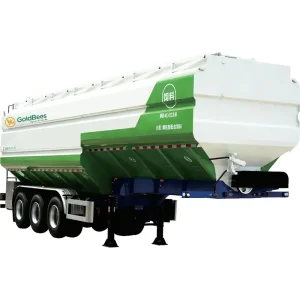

Under the expansive strategic framework of Saudi Vision 2030 and the National Industrial Development and Logistics Program (NIDLP), the Kingdom of Saudi Arabia is aggressively expanding its domestic livestock, poultry, and aquaculture capabilities to achieve 85% food self-sufficiency in key agricultural sectors. With mega-producers like Almarai, National Agricultural Development Company (NADEC), Tanmiah Food Group, and Al-Watania Poultry handling millions of metric tonnes of compound feed annually, the pressure on the intermediate supply chain has transitioned from basic commercial freight to scientifically validated, biosecure, and thermally regulated bulk logistics.
Operating commercial transport in Saudi Arabia presents extreme engineering challenges that standard European or non-tropicalized American chassis fail to sustain. The central desert regions (Najd plateau, Al-Qassim, and Riyadh outskirts) frequently endure ambient dry-bulb temperatures exceeding 50°C to 54°C during summer months, with direct solar radiational heat elevating bare steel vehicle body surfaces above 75°C. At these extreme parameters, standard single-skin feed tankers turn into industrial ovens, triggering rapid nutritional degradation: vital synthetic amino acids (lysine and methionine) denature, heat-sensitive vitamins (A, D3, E) decompose, and encapsulated probiotic additives suffer acute biological die-offs. GoldBees by Xinbaiqin has addressed this operational deficit through structural engineering advancements.
Dual-skin high-strength aluminum alloy and stainless tanks injected with high-density polyurethane (PU) thermal barriers, keeping feed temperature variance below ±2°C across 8-hour highway hauls under direct Arabian sunlight.
Strictly aligned with SASO (Saudi Standards, Metrology and Quality Organization) technical regulations and GCC Standardization Organization (GSO) gross vehicle weight (GVW) limits, maximizing legal cargo capacities without road tax penalties.
IP69K-rated sealed electrical connectors, multi-cyclone intake air filters for blowers, and mirror-polished internal compartment welds (Ra < 0.4 μm) enabling 100% automated CIP sanitization against Avian Influenza and Salmonella.
Furthermore, the geographical dispersion of industrial feed mills—predominantly clustered around King Abdulaziz Port in Dammam, Yanbu Industrial City, and the industrial corridors of Jeddah—demands round-trip hauls spanning 600 to 1,200 km to reach interior broiler operations in Hail or dairy complexes in Wadi Ad-Dawasir. Vehicle downtime caused by hydraulic fluid overheating or auger screw shearing translates directly into nutritional stockouts at farm-gate silos. Xinbaiqin's direct-factory engineering integrations bridge this gap, delivering high payload efficiency, minimal tare weight through advanced metallurgy, and hydraulic cooling loops that perform continuously in heavy desert environments.
Our industrial scope covers not only bulk feed transport, but also cold-chain infrastructure, precision waste management, and turnkey automated poultry harvesting customized for Saudi environmental specifications.
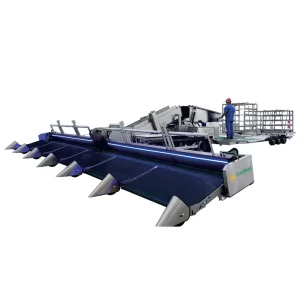




Importing specialized commercial commercial vehicles into Saudi Arabia requires adherence to stringent regulatory frameworks overseen by SASO (Saudi Standards, Metrology and Quality Organization), the Transport General Authority (TGA), and Zakat, Tax and Customs Authority (ZATCA). Xinbaiqin eliminates import and licensing friction by executing factory-direct homologation on every GoldBees vehicle delivered to Jeddah Islamic Port, King Abdulaziz Port Dammam, or via King Fahd Causeway.
1. Vehicle Axle Weight & Dimension Limits: In accordance with SASO GSO 42:2015 regulations for heavy vehicles, our bulk feed tankers and semi-trailers utilize specialized weight distribution calculations. By incorporating premium aeronautic aluminum alloys (5083/6061) and Strenx high-strength steels, our structural bodies deliver tare weight reductions of up to 22% compared to standard mild steel fabrications, maximizing legally allowable cargo per run while avoiding high-axle overloading fines at MOT weigh stations across the Kingdom's highway grid.
2. Anti-Dust Silica Protection: The Arabian Peninsula experiences frequent Haboob sandstorms, introducing ultra-fine silica particulates (PM10 and PM2.5) that destroy hydraulic seals, score cylinder shafts, and clog cooling fins. GoldBees vehicles supplied to Saudi Arabia feature multi-stage dry-cyclone air pre-cleaners, heavy-duty oil bath hydraulic tank breathers, and double-lip Viton seals across all auger discharge bearing blocks, securing operational longevity over decades.
3. Direct Parts Interchangeability & Service Readiness: All pneumatic compressors, electric motors, and hydraulic pumps integrated into our GoldBees feed transport fleet utilize world-tier industrial componentry (Danfoss, Eaton, Siemens, Schneider Electric) that share direct, off-the-shelf parts availability in Riyadh, Jeddah, Dammam, and Hofuf, ensuring zero protracted equipment downtime during critical farming cycles.
On the international stage, bulk agricultural transport is transitioning from mechanical delivery into an interconnected element of smart farming. In leading livestock regions throughout Europe, North America, and East Asia, feed trucks function as mobile data collection hubs. Xinbaiqin's GoldBees R&D engineering division is pioneering three core technological roadmaps currently being piloted for scale in commercial enterprises:
Using integrated ultrasonic tank level sensors and real-time load cell measurements, GoldBees trucks connect directly via 5G IoT SIMs to enterprise resource planning (ERP) platforms (such as SAP and Microsoft Dynamics). The system automatically tracks exact unloading volumes per farm silo, verifies feed formula cross-matching, eliminates human driver delivery errors, and triggers mill replenishment batches autonomously.
As feed formulations increasingly rely on high-fat crumbles, delicate extruded pellets, and live micro-encapsulated enzymes for early-stage broiler and calf nutrition, ambient desert heat causes pellet disintegration and oil separation. GoldBees is introducing active secondary heat-pipe refrigeration loops powered by vehicle regenerative braking or PTO auxiliary units, holding the internal cargo envelope at a strictly controlled 24°C regardless of external 50°C desert heatwaves.
Aligned with Saudi Arabia's goal to achieve net-zero carbon emissions by 2060 and the clean logistics requirements of NEOM and the Red Sea Project, GoldBees continues expanding its high-voltage battery-electric vehicle (BEV) and hydrogen fuel cell (FCEV) specialized heavy chassis platforms. Zero tailpipe emissions within closed agricultural production zones effectively eliminates exhaust-borne particulate matter from infiltrating negative-pressure poultry house ventilation intakes.
Clear technical answers regarding delivery, custom chassis integration, warranty enforcement, and harsh environment performance.
Empower your Saudi agricultural enterprise with vehicles built by Xinbaiqin and CP M&E. Discover heavy-duty dependability, custom thermal engineering, and factory-direct pricing.
Send Inquiry Now