

Engineered to traverse National Routes 1, 3, 5, and 21, connecting grain terminals in Nueva Palmira with feedlot hubs in Soriano, Durazno, Río Negro, and San José.

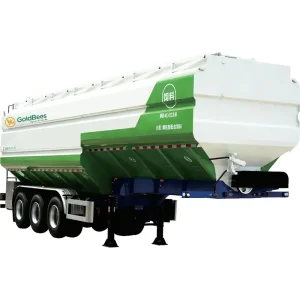

Analyzing livestock finishing intensification, dairy specialization, and road transport regulations governing bulk feed operations across the Eastern Republic of Uruguay.
Uruguay's beef industry, historically dependent on open pasture grazing, has undergone structural intensification. Driven by quota fulfillments (EU 481, USDA Grain-Fed Beef), feedlot concentration in departments like Soriano, Río Negro, Paysandú, Flores, and Durazno demands continuous, scheduled deliveries of concentrated mash, balanced pellets, and steam-flaked grain blends. Our multi-compartment tankers eliminate cross-contamination between high-protein finishing rations and starter diets.
In San José, Colonia, and Florida, intensive dairy operations supplying Conaprole require daily micro-deliveries to vertical silos. High coastal relative humidity along the Río de la Plata estuary triggers feed bridging and biological mold proliferation in unsealed vehicles. GoldBees sealed pneumatic tanks feature dehumidified aeration pads and moisture-barrier vent systems ensuring dairy herds receive dry, pathogen-free feed.
Commercial transport in Uruguay must comply strictly with MTOP (Ministerio de Transporte y Obras Públicas) axle weight distribution rules (maximum 45 to 48 tonnes gross combined weight for 6x2 and 6x4 tractor-semitrailer setups). Furthermore, MGAP (Ministerio de Ganadería, Agricultura y Pesca) enforces uncompromising biosecurity sanitary barriers to safeguard the national herd from foot-and-mouth disease (AFTOSA-free without vaccination status), demanding vehicles capable of caustic chemical disinfection cycles.
Transporting bulk agricultural goods in Uruguay involves transition between modern paved arterial highways (Ruta 1 connecting Montevideo to Colonia, Ruta 2 traversing Fray Bentos, Ruta 3 penetrating the agricultural heartland to Salto, and Ruta 5 reaching Rivera) and untreated secondary gravel tracks (caminos de balasto). These secondary feeder roads subject vehicle subframes, auger cantilever mounts, and pneumatic valves to severe cyclic vibrational fatigue. Xinbaiqin engineers our GoldBees chassis using aeronautical finite element analysis (FEA), integrating high-tensile structural steel (Strenx 700 / Q355ND) and stress-relieved welded junctions specifically balanced for South American rural topography.
Eliminating pellet attrition, fines creation, and nutritional phase separation across the feed-to-farm supply chain.
Auger discharge technology remains the dominant method for delivering high-roughage ruminant feeds, heavy cattle finishing pellets, and high-oil extruded meals in Uruguayan feedlots. Our dual-drive system operates via direct tractor PTO hydraulics or independent three-phase electric motors (380V/50Hz compliant with UTE industrial grid standards).
For poultry broiler complexes and computerized swine nursery facilities in Canelones and San José, pneumatic blowers deliver sensitive micro-pellets and pre-starter crumbled feeds directly into tall, hermetic silos without abrasive mechanical friction.
| Engineering Attribute | GoldBees Hydraulic Auger Tanker | GoldBees Pneumatic Tanker | Standard Regional Competitor Spec |
|---|---|---|---|
| Discharge Velocity | 1.0 – 1.8 Tonnes / Minute | 1.2 – 2.2 Tonnes / Minute | 0.6 – 0.9 Tonnes / Minute |
| Pellet Abrasion / Fines | < 0.4% Mechanical Breakage | < 0.15% (Aero-Cushioned) | 2.5% – 4.8% High Breakage |
| Max Elevation Reach | 11.5 m (Multi-Directional Hydraulic Crane) | Up to 24 m (Flexible Pneumatic Hoses) | 7.5 m Rigid Fixed Boom |
| Structural Tare Weight | Al-6061 Lightweight Option: 7,800 kg | Integrated Aluminum Shell: 6,900 kg | Carbon Steel Standard: 10,200 kg |
| Biosecurity Sanitization | Full Wash-Down Rated IP69K Sealed Harness | Hermetic Seal, Sterilizable Manifolds | Exposed Electricals / Water Ingress Risk |
How multinational agribusinesses and Uruguayan transport cooperatives maximize return on capital across millions of payload tonne-kilometers.
By engineering with high-yield quenched steels and extruded Al-6061-T6 aluminum alloys, our trailers reduce tare weight by up to 2,400 kg compared to regional bodybuilders. Under Uruguay's strict 45T MTOP gross vehicle weight ceilings, this directly converts into 2.4 tonnes of additional usable feed payload per trip, compounding into tens of thousands of extra revenue dollars annually.
GoldBees tankers feature hybrid power take-off (PTO) engineering. In the field or at remote farm stations, trucks discharge using the primary diesel powertrain hydraulic pumps. When connected at farm silo points with grid connections, drivers switch to zero-emission 380V electric drives, reducing engine idle wear, diesel consumption, and carbon footprint.
Farm-to-farm disease transmission represents an existential risk to livestock integrators. Our tanks feature automated internal CIP (Clean-in-Place) wash lines, self-draining sump channels, and smooth interior welds (Ra < 0.8μm). Vehicle chassis undercarriages incorporate multi-point high-pressure disinfectant nozzles for biosecurity gateway passage.
The subtropical, highly humid coastal climate of Uruguay causes aggressive galvanic and atmospheric oxidation on conventional tanks. Xinbaiqin utilizes advanced multi-stage cathodic electro-deposition (e-coat) primers combined with polyurethane topcoats rated for 2,000+ hours of continuous salt-spray testing, safeguarding structural investment value.
Engineered for seamless integration with South American prime movers and compliant with LATAM safety protocols.
Fleets in Uruguay utilize a diverse mix of European, Asian, and American tractor platforms. GoldBees bulk feed bodies and semi-trailers are pre-engineered to interface flawlessly with:
Our engineering team supplies subframe mounting brackets, calibrated hydraulic couplings, and ISO-compliant wiring loom interfaces matching your exact fleet chassis specifications prior to port embarkation from our state-of-the-art Cixi manufacturing hub.
To satisfy MTOP and DINATRA safety verification on Uruguayan federal and departmental roadways, all GoldBees semi-trailers incorporate tier-one running gear systems:
Leading the digital transformation of South American bulk feed transport through IoT, cloud data synchronization, and sustainable powertrain innovations.
Full integration of digital load cells within each tank compartment. Ultrasonic and radar silo level sensors communicate wirelessly with the transport truck on approach, automatically directing the hydraulic auger boom to the target silo hatch and preventing human batch filling errors.
Automated cloud logging for MGAP sanitary compliance. Every discharge cycle records nutritional formulation SKU, temperature, humidity, mass delivered, operator identity, and automated GPS geofence timestamps, synchronizing with the integrator's enterprise ERP.
Uruguay produces over 98% of its electricity from renewable sources (hydroelectric, wind, and biomass). GoldBees NEV electric bulk feed vehicles leverage this green domestic grid, deploying high-capacity lithium iron phosphate (LFP) battery packs for regional farm supply loops with zero tailpipe emissions.
Comprehensive engineering, operational, and regulatory guidance for agribusiness directors, cooperative managers, and procurement officers.
From biosecure live animal hauling to multi-temperature cold chain logistics, engineered by Xinbaiqin (CP M&E GoldBees) for maximum livestock welfare and product safety.



Partner directly with Xinbaiqin Special Vehicle (CP M&E GoldBees). Consult our international sales engineering desk to obtain complete CAD axle loadings, tank capacities, and CIF Montevideo pricing tailored for the Uruguayan agribusiness market.