

Engineered to handle Mexico's diverse topographical routes from Sonora to the Bajío agricultural heartland.

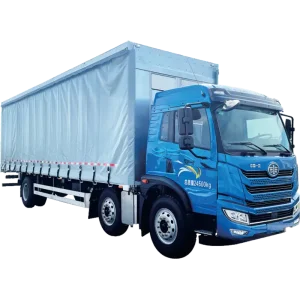

A strategic overview of agro-industrial upgrading, export logistics pressure, and biosecurity protocols across Mexican states.
Mexico's central plateau (Jalisco, Guanajuato, Querétaro) and northern territories (Sonora, Nuevo León) host some of Latin America's dense livestock clusters. Scaling output requires closed pneumatic handling to safeguard against micro-toxin contamination.
With aggressive measures to prevent Porcine Epidemic Diarrhea (PEDv) and Avian Influenza, Mexican farm operators cannot rely on basic open transport. Vehicles require pressurized air filtration, sealed chassis, and anti-corrosive stainless alloys that resist high-heat thermo-disinfection.
Exporting berry, avocado, and primal beef cuts to the United States under USMCA/T-MEC guidelines mandates unbroken ATP-grade temperature tracing. Modern fleets are ditching conventional conversions in favor of monocoque polyurethane insulated sandwich boxes.
Combining world-class high-volume automated manufacturing with hyper-localized engineering adjustments for Mexican terrain.
Operating between coastal ports (Manzanillo, Veracruz) and high-altitude hubs like Toluca and Mexico City demands specialized powertrain integration and robust structural welding. Our vehicles utilize high-yield strength aluminum alloy bodies (5083/5454 series) that minimize tare weight, allowing carriers to maximize payload while strictly complying with NOM-012-SCT-2-2017 weight-per-axle limits.
Additionally, electrical systems feature military-grade IP69K sealed connectors to withstand both desert dust storms and intense tropical rainy seasons without electrical short-outs.
Backed by decades of field operations under CP M&E (Charoen Pokphand Group's industrial machinery arm), every truck design reflects direct operating feedback from massive commercial agribusinesses. Rather than generic third-party bodybuilding, our pneumatic feed augers, multi-tier hydraulic livestock lifts, and multi-zone refrigeration systems are validated across billions of animal-kilometers.
This vertical alignment ensures complete spare part availability, remote telemetry support, and direct engineering access for fleet managers throughout Mexico.
Key technological pivots driving procurement decisions among tier-one Mexican agro-holdings in 2025 and beyond.
Modern live poultry and pig transit vehicles incorporate CAN-bus integrated sensors monitoring ammonia (NH3), carbon dioxide (CO2), relative humidity, and real-time deck temperature. Dispatchers in Guadalajara or Monterrey can adjust automated air curtains and water misting lines via 4G/5G fleet telematics.
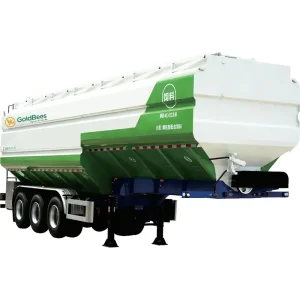
Feed integrity is paramount for feed conversion ratios (FCR). Advanced pneumatic discharge units utilize low-velocity, high-density air-flow blowers that eliminate internal friction, slashing feed pellet pulverization rates to less than 0.8% across 18-meter vertical silo transfers.
With diesel fuel costs heavily impacting operating margins along federal highway corridors, transitioning to aeronautical-grade extruded aluminum subframes delivers a 35% weight reduction over steel chassis, lowering unladen fuel consumption by 4.2 liters per 100 km.
Engineered for high-throughput integrators, feed producers, and cold-chain distributors in Mexico.






Expert answers addressing customs, chassis integration, spare parts, and certification requirements.