Advanced refrigerated semi-trailers, smart delivery trucks, and mobile field-sorting systems tailored to the climatic and logistical infrastructure of Peninsular and East Malaysia.
Malaysia is rapidly emerging as the premier logistics hub for ASEAN, propelled by ambitious infrastructure developments under the National Agrofood Policy 2.0 (DAN 2.0) and the continuous expansion of ports like Port Klang and Port of Tanjung Pelepas (PTP). However, fleet operators face exceptional operational hurdles dictated by the equatorial climate, which consistently delivers ambient temperatures ranging from 32°C to 38°C with relative humidity levels exceeding 85%.
Under these punishing conditions, standard reefer boxes suffer from extreme condensation ingress, accelerated polyurethane foam aging, and thermal bridge failure during door openings at cross-dock distribution hubs in Selangor, Johor, and Penang. Furthermore, the stringent regulations enforced by the Department of Islamic Development Malaysia (JAKIM) mandate an uncompromised separation of Halal meat, poultry, and dairy from non-Halal consumables, requiring verifiable sanitation protocols, impermeable antimicrobial interior walls, and multi-compartment partitioning that prevent any risk of cross-contamination.
Interviews with leading Malaysian 3PLs and poultry integrators emphasize that thermal reliability, compliance with MS 1500:2019 (Halal Food Standards), and minimal weight penalty are non-negotiable criteria for fleet procurement.
Combining aerodynamic composite box building, multi-zone thermal partitioning, and digital biosecurity safeguards into a cohesive fleet engineering system.
Fabricated using high-pressure negative-plate bonding technology with vacuum-infused composite polyurethane sandwich panels. The absence of metal structural ribbing guarantees zero thermal bridging, maintaining temperature integrity down to -25°C while withstanding tropical torrential downpours.
Configured with insulated transverse and longitudinal movable partition bulkheads. Enables simultaneous hauling of chilled poultry (+2°C to +4°C), deep-frozen marine products (-18°C), and fresh tropical produce (+10°C to +12°C) inside a single 40ft or 45ft trailer asset.
Factory-integrated IoT controllers continuous streaming ambient cargo temperature, compressor speed, relative humidity, and door-opening alerts directly to enterprise cloud logistics management platforms, verifying cold integrity for HACCP auditing.
Originating from our 66,667 m² specialized manufacturing campus in Cixi, Zhejiang, GoldBees special vehicles merge the mechanical excellence of Charoen Pokphand Group's equipment division with state-of-the-art Industry 4.0 automated production lines. Unlike decentralized body builders that assemble piecemeal components, every chassis interface, structural sandwich panel, and electrical biosecurity harness is produced with rigorous vertical integration.
Our manufacturing complex utilizes CNC laser plate cutting, robotic automated gantry welding, and monolithic vacuum hydraulic hot-press lamination tables capable of pressing single-piece 16-meter composite panels without seam joints. This technological foundation provides Malaysian buyers with clear financial and technical benefits:
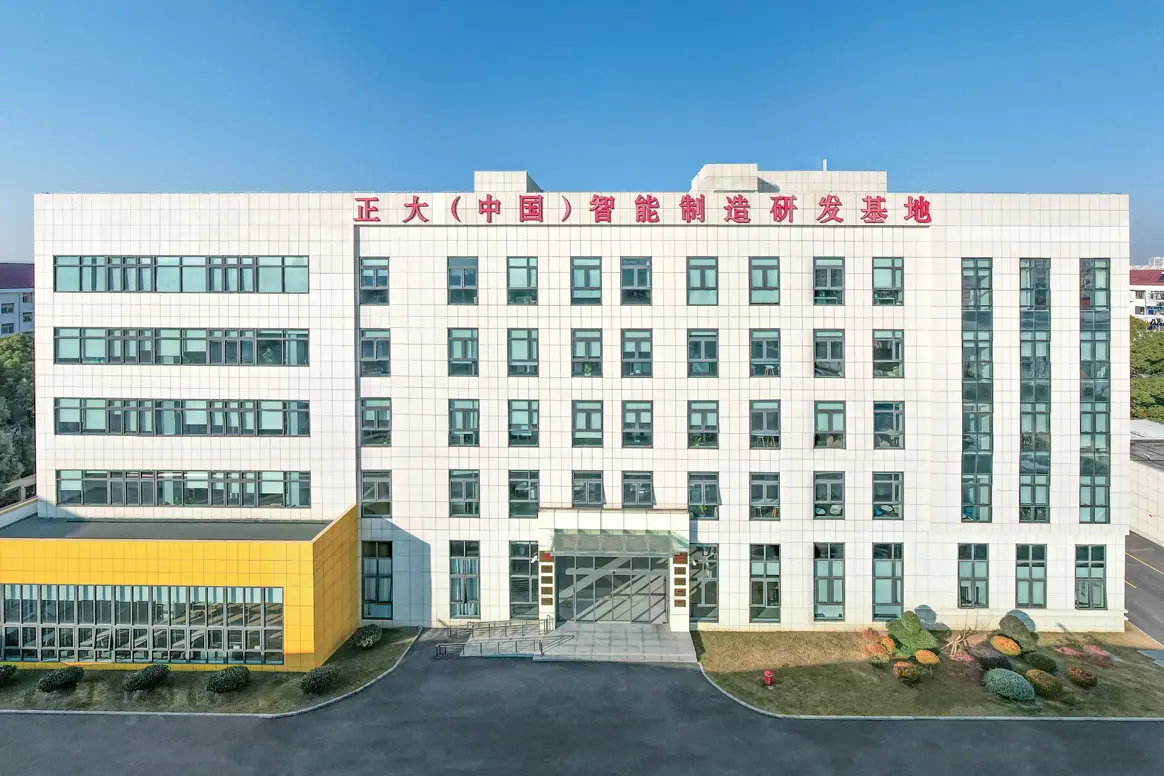
Automated assembly line and body pressing campus in Cixi, Zhejiang, producing over 2,000 specialized units per year.
Strategic advancements charting the evolution of temperature-controlled distribution assets designed for low-emission urban distribution in Kuala Lumpur and trans-ASEAN corridor hauls.
Kinetic energy recovery systems (KERS) integrated directly into trailer axles, generating electrical energy during braking to power refrigeration units with zero fuel draw.
Ultra-thin, flexible photovoltaic roof membranes feeding supplementary lithium-iron-phosphate (LFP) energy storage banks, sustaining continuous precooling during loading delays.
Neural machine models monitoring compressor refrigerant pressures, airflow patterns, and insulation degradation to trigger preemptive servicing before thermal failures occur.
Dedicated high-capacity pure electric cab-and-chassis integration matching green freight decarbonization goals mandated across Singapore-Malaysia border corridors.
Ensuring frictionless homologation, nationwide spare-parts availability, and rigorous engineering compliance with Malaysian vehicle and health directives.
Comprehensive engineering documentation packages provided for Vehicle Type Approval (VTA) by Jabatan Pengangkutan Jalan (JPJ), covering axle weight load calculations, under-ride protection compliance, and braking system certifications.
Body subframes engineered to mount seamlessly onto leading commercial chassis brands operating in Malaysia, including Isuzu, Hino, Fuso, UD Trucks, Scania, Volvo, and premium Chinese marques like Sinotruk and FAW.
Strategic availability of critical wear items—including custom door gaskets, high-strength subframe hardware, electronic temperature probes, and hydraulic valves—ensuring maximum asset uptime across Klang Valley, Johor, and Penang hubs.
Procuring commercial refrigerated vehicles for tropical operations requires balancing initial capital expenditure with lifecycle total cost of ownership (TCO). Procurement directors must evaluate suppliers beyond superficial brochure metrics, focusing on empirical construction quality, thermal loss parameters, and production pedigree.
When issuing tenders for refrigerated semi-trailers or insulated truck bodies, tier-one operators in Malaysia require comprehensive verification across four pivotal engineering pillars:
Consult with our engineering directors to customize body dimensions, floor drainage, multi-temperature zones, and chassis subframes for your Malaysian operational profile.
Explore our extended series of specialized live-animal transporters, bulk feed tankers, and turnkey agro-industrial logistics systems deployed globally.
In-depth engineering answers addressing thermal ratings, humidity resistance, import compliance, and customized vehicle build options for Malaysia.








