Multi-Temperature Rigids
Engineered to satisfy stringent Japanese Green Logistics requirements, offering multi-temperature zone precision (-25°C to +15°C) and advanced lightweight thermal containment.


A comprehensive analysis of industrial demands, regulatory frameworks, multimodal logistics corridors, and localized infrastructure driving cold chain vehicle procurement in Osaka Prefecture.
Osaka’s Strategic Role as Kansai’s Freight Epicenter: Osaka represents the economic heartbeat of western Japan, operating as an unmatched hub for agricultural imports, fresh marine logistics, and high-value biotechnology products. Strategically nestled along Osaka Bay—housing major oceanic terminals such as the Port of Osaka (Nanko, Sakishima, and Yumeshima logistics zones) and seamless arterial links via the Hanshin Expressway network to Kyoto, Kobe, and Nara—the region commands one of the dense temperature-controlled logistics networks in East Asia. The impending infrastructure readiness for global expos and expanded port automation has further catalyzed demand for highly reliable, thermally superior refrigerated fleets.
The "2024 Problem" and Logistics Transformation in Osaka: Japan’s domestic logistics landscape is currently navigating seismic shifts due to regulatory labor reforms (commonly known as the "2024 Logistics Problem"), which cap annual driver overtime hours. In Osaka, freight companies can no longer afford transit delays caused by inefficient mechanical cooling setups, slow cargo loading cycles, or thermal leakage that compromises load integrity. Fleets are shifting aggressively toward high-payload composite bodies, lightweight insulation sandwich panels, and multi-compartment rapid-discharge vehicles that maximize delivery throughput per operational shift.
Rigorous Quality Standards: HACCP & GDP Compliance: Osaka’s Doshomachi district has historically stood as Japan’s pharmaceutical cradle, now augmented by the Northern Osaka Health and Biomedical Innovation Park (Kento) and Saito Life Science Park. Simultaneously, the Osaka Central Wholesale Market acts as a premier transshipment nexus for perishables. Transporting goods through these corridors mandates unyielding compliance with Good Distribution Practice (GDP) guidelines for pharmaceuticals and Hazard Analysis Critical Control Point (HACCP) principles for food safety. Temperature deviations as minor as ±0.5°C can result in the catastrophic loss of biological compounds, vaccines, or premium sashimi-grade seafood. Consequently, local operators prioritize cold chain vehicles engineered with automated digital temperature validation, hermetic airlocks, and anti-microbial interior finishes.
Urban Decarbonization Mandate: In alignment with Osaka City’s Environmental Master Plan and Japan’s national net-zero target by 2050, municipal regulations are increasingly penalizing high-emission diesel fleets operating within metropolitan commercial zones. Cold chain fleet operators are transitioning to hybridized, fully electric (EV) chassis and solar-supplemented auxiliary refrigeration units to ensure compliance while minimizing urban decibel footprints during dawn and midnight store replenishment cycles.
Exploring structural composite innovation, thermal efficiency benchmarks, IoT telematics integration, and green refrigerant cycles engineered for global cold logistics operators.
Our cold chain structures utilize high-pressure polyurethane foaming injected at 45kg/m³ density, reinforced by vacuum insulation panels (VIP) encased in high-tensile fiberglass-reinforced polyester (FRP). This eliminates thermal bridging completely, yielding an extraordinary K-value below 0.32 W/m²K that easily conforms to ATP Class FRC standards. Operators achieve faster pre-cooling cycles and reduce refrigeration unit fuel consumption by up to 28% compared to traditional sheet-metal insulated bodies.
Movable insulated longitudinal and lateral bulkheads equipped with double-lip elastomer seals allow simultaneous haulage of deep-frozen goods (-20°C), chilled dairy (+2°C to +4°C), and room-temperature dry goods (+18°C) within a single cargo box.
Food-grade gel-coated seamless interior walls resistant to aggressive sanitizing agents, caustic washes, and high-pressure steam cleaning. Integrated marine-grade aluminum diamond tread flooring features sunken scuppers for zero water pooling.
Continuous real-time tracking of cabin ambient temperature, humidity, door-opening status, and compressor discharge pressure with automated 4G/5G encrypted uploads to enterprise cloud ERPs, triggering instant deviation alerts.
Compliant with the Japanese F-Gas Law, refrigeration assemblies utilize low Global Warming Potential (GWP) eco-refrigerants such as R452A and CO2 (R744), paired with all-electric hermetic scroll compressors compatible with high-voltage EV battery architectures.
| Performance Parameters | Goldbees Industry 4.0 Standard | Conventional Japanese Domestic Retrofit | Operational Benefit in Osaka Routes |
|---|---|---|---|
| Insulation Core Material | Closed-Cell PU Foaming + VIP Aerogel Matrix | Standard Cut Expanded Polystyrene (EPS) | +40% Thermal efficiency retention over 8 years |
| Overall Heat Transfer (K-Value) | ≤ 0.31 W/m²K (Certified ATP Class FRC) | 0.45 – 0.55 W/m²K | Rapid chill recovery after dock door open events |
| Box Shell Construction | Seamless Continuous Wet FRP Wet-Lamination | Riveted Sheet Aluminum with Internal Seams | Zero water ingress; rust-free salt-air resistance |
| Payload Efficiency Ratio | Lightweight High-Strength Subframe (+14% capacity) | Heavy Gauge Structural Carbon Steel Frame | Maximizes legal ton-km payload under MLIT limits |
| Digital Temperature Validation | Multi-sensor NIST-traceable IoT Telemetry Loggers | Single-probe analog dial or standard flash recorder | Unconditional GDP pharmaceutical compliance pass |
Harnessing automated fabrication robotics, rigorous thermal test chambers, and scale economies to provide Osaka enterprises with unmatched build quality and rapid delivery lead times.
Integrated Advanced Manufacturing Ecosystem: Built within a modernized production campus spanning over 66,667 square meters, our specialized commercial vehicle fabrication facilities combine automotive-grade automated laser cutting, robotic seam welding, and computerized hydraulic panel bonding presses. By working closely with CP M&E—the industrial equipment powerhouse of the international Charoen Pokphand Group—every refrigerated box body and multi-axle trailer chassis benefits from over fifteen years of rigorous agricultural, biological, and perishable food transit experience. This industrial synergy ensures our equipment withstands not only routine suburban distribution but also continuous, intensive long-haul duty cycles.
Automated Continuous Plate Pressing & Polyurethane Injection: The integrity of a refrigerated box body relies strictly on the uniformity of its core insulation. Our production lines feature 20-meter automated continuous vacuum bonding presses that cure composite panels under monitored pressure and temperature regimes. Using high-pressure cyclopentane foaming machinery, polyurethane components are blended with zero ozone-depleting potential (ODP) and injected seamlessly between interior and exterior skins. The result is a structure completely devoid of internal air voids, moisture delamination points, or thermal conductivity leaks.
Stringent End-of-Line ATP Testing & Quality Control: Before any vehicle departs for global export or deployment in the Japanese market, it undergoes exhaustive validation within computerized climatic testing chambers. Units are subjected to simulated ambient temperatures reaching +40°C while refrigeration units cycle down to -25°C to measure exact thermal leakage, internal air velocity distribution, and energy draw. Subframes are treated with high-durability hot-dip galvanization and multi-stage electrophoretic coating (E-coat) to provide lifelong defense against the corrosive maritime environments characteristic of the Osaka Bay port region and snowy winter expressways.
Partner with a proven manufacturer capable of delivering customized refrigerated trucks, specialized sorting transports, and biosecure trailers tailored to Japan's rigorous vehicle certification standards.
Send Inquiry Now for Custom Fleet QuotesTailored configurations solving specific urban logistics, intermodal freight, and cold-chain challenges throughout the Kansai metropolitan basin.
Transferring flash-frozen marine products directly from ocean containers at Osaka Port (Nanko) to regional distribution facilities. Equipped with heavy-duty deep-freeze units maintaining -25°C throughout extensive customs clearance staging.
GDP-compliant climate-monitored vans and rigids navigating between biomedical research laboratories in Saito Life Science Park and domestic hospital networks, featuring redundant dual-circuit refrigeration fail-safes.
Compact, quiet-operating electric reefer bodies designed for narrow Osaka street networks and tight dock bays. Multi-temperature partitions allow combined drops for convenience store fresh food and beverages in a single routing.
Essential guidance covering homologation, custom specifications, thermal certification, and cross-border delivery to Japan and overseas hubs.
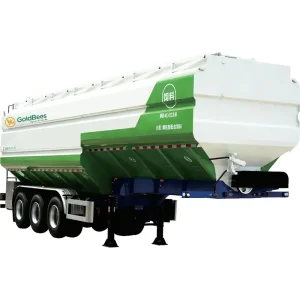
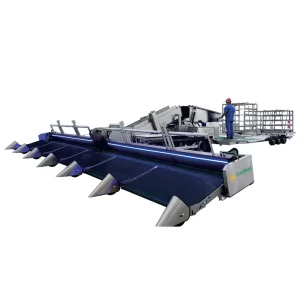
Explore our complete engineering catalog including bulk feed semi-trailers, automated livestock transporters, and advanced poultry equipment serving agricultural and commercial enterprises worldwide.