
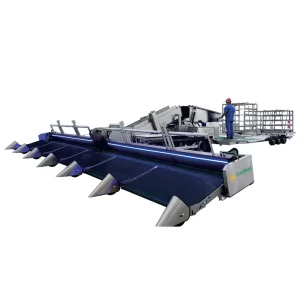
Flagship mechanization solutions designed for heavy-duty commercial deployment, biosafety compliance, and automated production loops.


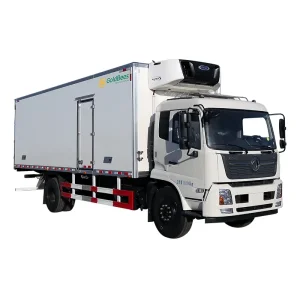
Bridging infrastructural constraints through rugged engineering, thermal isolation, and advanced mechanical reliability.
Commercial transport across key Nigerian routes—such as the Lagos-Ibadan expressway, Kaduna-Kano axis, and Onitsha corridor—subjects heavy equipment to demanding operating conditions. Tropical temperatures consistently surpassing 38°C, humidity in southern states, and uneven road geometries lead to early fatigue in generic chassis designs. Special vehicles designed for this terrain must balance structural durability with intelligent thermal mitigation.
Traditional manual crating of broilers and open-air transport of live swine or ruminants cause severe transit shrinkage, with animal mortality rates frequently climbing above 7% on long-haul routes. Purpose-built, multi-deck transport semi-trailers with integrated misting, active forced ventilation, and anti-slip flooring mitigate animal stress, improve animal welfare compliance, and preserve carcass quality for industrial processors.
The intensification of commercial livestock production in Ogun, Oyo, Plateau, and Edo states has elevated biosecurity from an operational preference to a financial necessity. Open-bag feed delivery exposes valuable compound nutrition to fungal contamination, dampness, and rodent infestation during transit. Transitioning to enclosed pneumatic and hydraulic auger bulk feed trucks safeguards grain safety while drastically cutting turnaround cycle durations.
Furthermore, post-harvest perishables in regional cold chains require reliable, failsafe cooling units. Multi-temperature refrigeration trailers ensure that frozen cuts, processed dairy, and pharmaceutical products travel smoothly between export processing hubs and primary urban consumption centers without thermal interruptions.
Purpose-matched configurations serving large farm integrators, cold distribution networks, and regional feed processing hubs.
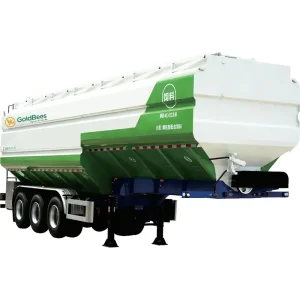
Equipped with high-volume electric or hydraulic auger discharge assemblies, our bulk feed tankers bridge feed mills in central industrial belts with large breeder barns. Sealed compartmentalization prevents batch cross-contamination, allowing varied nutritional feeds (starter, grower, finisher) to be distributed in a single logistical circuit.
Day-old chicks are vulnerable to rapid thermal shock. Our dedicated chick transit vehicles feature insulated composite walls, positive-pressure air filtration, and secondary diesel generators. Consistent airflow velocity and temperature control safeguard vitality across extended journeys from hatcheries to regional contract grow-out operations.
Addressing intense labor shortages during harvesting windows, automated chicken harvesters enable gentle handling, consistent crate placement, and minimal bird stress. Eliminating manual catching reduces wing breakage and bruising, directly increasing grade-A carcass yields at regional processing abattoirs.
How cutting-edge telematics, lightweight metallurgy, and alternative powertrains are transforming commercial specialized logistics.
Implementing 6000-series structural aluminum alloy profiles alongside ultra-high-strength steel subframes. Reducing deadweight by 18-24% enables higher allowable payload capacities within statutory Nigerian axle load standards, offsetting surging diesel operating expenses.
Integrating 4G/GPS telematics suites measuring real-time compartment temperature, ambient humidity, CO2 ppm levels, and internal hatch security. Dispatch operators receive automated alerts, ensuring immediate intervention should thermal thresholds deviate during transit.
Installing roof-integrated photovoltaic arrays and high-capacity lithium iron phosphate (LiFePO4) battery banks. These supply clean, uninterrupted power to auxiliary fans, hydraulic tailgates, and climate monitors, cutting idle engine fuel burn at offloading checkpoints.
Leveraging deep industrial clustering and precision automation to deliver institutional-grade vehicles with competitive lead times.
From computerized laser sheet cutting and submerged robotic weld cells to specialized polyurethane foaming presses, every assembly step occurs across a dedicated 66,667 m² plant. Strict in-house production ensures high dimensional precision, seam hermeticity, and structural integrity across every unit built.
Agricultural transport vehicles handle organic acids, sanitizing chemicals, and abrasive wash protocols. Our superstructures undergo electro-coating primer treatments, anti-corrosive wax cavity injections, and high-pressure sealing inspections to ensure long-term durability in tropical environments.
Deep component integration with leading chassis brands (HOWO, Dongfeng, Shacman, FAW, Isuzu) ensures standardized mechanical spare parts are accessible in local markets, avoiding operational downtime during critical distribution cycles.
Direct engineering consultation ensuring total alignment with SONCAP certification, chassis homologation, and fleet duty profiles.
Every commercial vehicle build destined for Nigerian ports (Apapa, Tin Can Island, Onne) is certified according to Standards Organisation of Nigeria Conformity Assessment Programme (SONCAP) parameters. We coordinate inspection protocols, form-M documentation, and chassis VIN verification to facilitate customs clearance.
Our engineering group supports direct technical consultations, optimizing gross combination weights (GCW) to respect Federal Road Safety Corps (FRSC) guidelines while preserving necessary structural safety margins.
Specialized hydraulic augers, pneumatic compressors, and automated harvesters perform at their best when handled by properly trained personnel. We supply bilingual technical documentation, step-by-step video operations training, and field commissioning support to help fleet teams implement preventative maintenance protocols and keep operations running reliably.
In addition, critical wear items—hydraulic seals, auger screw flighting, blower vanes, and relay sensors—are packaged in proactive maintenance kits supplied with initial vehicle shipments.
Select specialized equipment designed for commercial livestock logistics, poultry farming automation, and heavy feed transport.




Clear, direct technical answers for corporate fleet directors, commercial farm managers, and logistics operators.
Superstructures feature reinforced thermal insulation, high-capacity oil coolers for hydraulic power take-offs (PTO), secondary auxiliary power units (APU), and high-output ventilation fans. Electronic harnesses use automotive-grade IP67 sealed connectors to resist dust and moisture.
Yes. While we provide complete turnkey trucks built on HOWO, Shacman, or Isuzu chassis, we also deliver fully knocked-down (CKD) or semi-knocked-down (SKD) superstructures designed for installation onto existing client fleet chassis, complete with mounting subframes and PTO adaptors.
All internal livestock pens, decks, and feed bins are fabricated with marine-grade 5083/6061 aluminum alloy or hot-dip galvanized framework. Drainage ports, sloping interior floors, and sealed mechanical joints ensure complete drainage during high-pressure washdowns.
Standard fabrication cycles range from 25 to 45 working days, depending on custom options. Shipping from Ningbo or Shanghai ports to Lagos (Apapa/Tin Can) typically requires 32 to 40 days at sea, with tracking and import documentation managed through our logistics coordinators.
Looking to expand your livestock, feed, or temperature-controlled distribution fleet in Nigeria? Contact our engineering specialists for custom payload evaluations, chassis adaptations, and quotation briefs.
Send Inquiry Now