
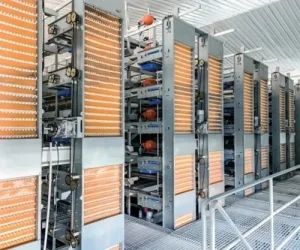
Purpose-engineered agricultural fleet machinery and automated milling infrastructure configured to satisfy Japan's strict MAFF biosecurity compliance, MLIT dimensional road limits, and eco-efficiency standards.
Aichi Prefecture stands as a core industrial and agricultural powerhouse in Japan, creating unique technological requirements for modern livestock production, animal feed processing, and multi-tier distribution.
While Nagoya is universally recognized as the gravitational center of Japanese high-precision manufacturing and automotive engineering, Aichi Prefecture simultaneously ranks among Japan's premier agricultural producers. In particular, the Atsumi Peninsula, Tahara City, Toyohashi, and the Chita Peninsula represent concentrated hubs of intensive poultry broilers, commercial egg layers, swine breeding complexes, and high-yield dairy operations. Unlike dispersed farming practices in other parts of the world, Nagoya's regional agritech model operates on high density, extreme land-use efficiency, and stringent proximity to major metropolitan consumption corridors.
This demographic and territorial layout exerts immense operational pressure on local operators. Feed manufacturing and grain handling are deeply tethered to the Port of Nagoya and adjacent maritime grain hubs along Ise Bay. Imported raw grains (yellow corn, soybeans, grain sorghum, and meal supplements) arriving via deep-water panamax terminals require immediate, ultra-clean milling, extrusion, and dust-controlled pneumatic pneumatic dispatch to commercial agricultural clusters across Aichi, Gifu, and Mie prefectures. Consequently, feed mills and integrated agribusinesses in this region cannot tolerate legacy equipment prone to pellet degradation, cross-batch contamination, or electrical downtime.
Furthermore, Japan's Ministry of Agriculture, Forestry and Fisheries (MAFF) enforces some of the world's strictest biosecurity mandates in response to recurrent threats of Highly Pathogenic Avian Influenza (HPAI) and Classical Swine Fever (CSF). For commercial enterprises operating within the Nagoya perimeter, the purchase of livestock vehicles and feed processing systems is no longer a simple procurement of steel containers; it is a clinical deployment of biosecurity containment barriers designed to resist intensive caustic washes, automated thermal decontamination, and continuous positive-pressure ventilation.
Companies supplying equipment into the Nagoya metropolitan market face three non-negotiable hurdles that dictate engineering specifications:
Modern commercial animal protein production requires a complete paradigm shift toward biosecure containment, real-time IoT animal welfare monitoring, and high-yield feed conversion ratios.
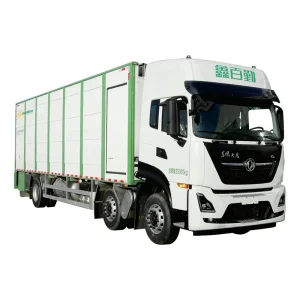
Closed-cabin livestock and day-old chick transporters feature constant-temperature microclimates, multi-sensor CO₂/NH₃ monitoring, and high-capacity fresh-air filtration, dramatically cutting mortality rates during critical transit stages.
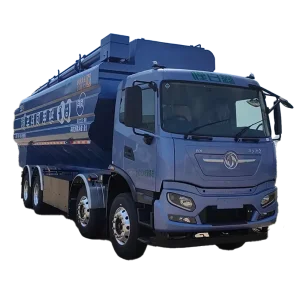
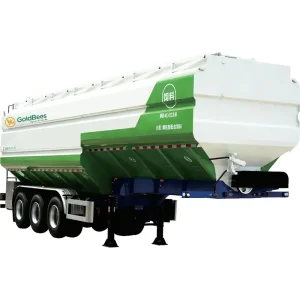
Advanced bulk feed transport bodies utilize variable-pitch hydraulic auger systems and polished stainless compartments, preventing pellet pulverization and maintaining targeted nutritional integrity directly into on-farm bulk silos.
Integration of battery-electric vehicle (BEV/NEV) commercial chassis with cloud-linked telematics, giving farm management real-time fleet diagnostics, discharge logging, automated weight tracking, and route biosecurity verification.
In the contemporary agro-industrial arena, multinational operators such as CP Group, Nippon Ham, and regional agricultural cooperatives in Japan evaluate suppliers through rigorous total-cost-of-ownership (TCO) matrices. Procurement evaluations are no longer confined to unit purchase cost. Instead, tenders prioritize:
Xinbaiqin Special Vehicle Co., Ltd., in synergy with CP M&E (the engineering division of Charoen Pokphand Group), provides holistic turnkey infrastructure designed to streamline the feed-to-food value chain.
The core strength of our approach rests in deep domain experience spanning real-world farm operations across Asia. We understand that a bulk feed semi-trailer or livestock transporter cannot function in isolation; it operates as an active, moving link within an integrated supply chain connecting grain import terminals, compound feed factories, breeder complexes, commercial broiler barns, and cold-storage processing centers.
High-capacity hammer mills, micro-dosing compounding units, hygienic pellet mills, and pneumatic silo storage complexes engineered for maximum uptime, explosion prevention, and dust containment.
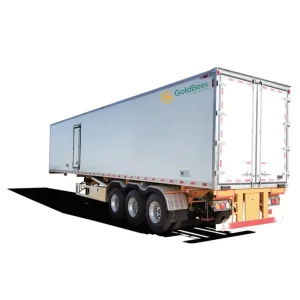
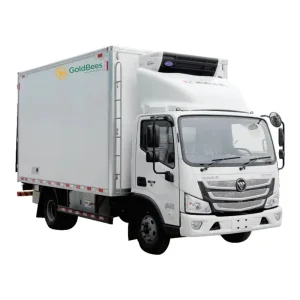
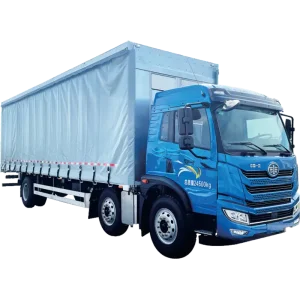
Custom-engineered bulk feed trucks (auger & pneumatic), multi-deck climate-managed livestock trailers, insulated day-old chick transports, and deep-freeze cold chain refrigerated semi-trailers.
Full technical documentation for Japanese ministry homologation, spare parts supply chains through major Chubu ports, and remote engineering diagnostics for zero downtime.
Our engineering team works directly with commercial farming groups, feed mill operators, and logistics contractors across Japan to engineer tailor-made configurations matching local road regulations and biosecurity protocols.
Send Inquiry NowHow automation, algorithmic environmental control, and clean propulsion are redefining productivity in the agricultural machinery sector.
Integration of multi-tier wireless telemetry tracking cabin temperature, humidity, airflow speed, and ammonia concentrations with cloud alerts to dispatch centers.
Deployment of intelligent poultry harvesting vehicles that navigate deep-litter barns with LiDAR guidance, transferring broilers into crates without manual touch.
Commercialization of high-capacity NEV battery-electric bulk feed haulers with low-noise PTO discharge motors designed specifically for night delivery in suburban zones.
Automated vehicle washdown tracking using RFID and blockchain logs to verify thorough thermal and chemical disinfection before entering disease-free farm gates.
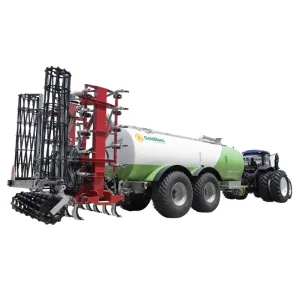
Explore our certified range of livestock transporters, electric bulk feed trailers, automated harvesting machines, and turnkey mill equipment ready for project integration.
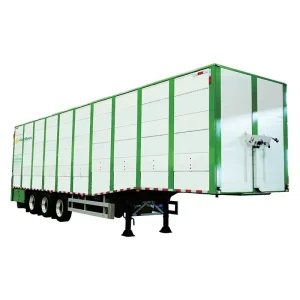
Essential regulatory, technical, and operational answers for farm managers, feed plant engineers, and import procurement directors.
Whether you require a single high-capacity bulk feed semi-trailer, a complete biosecure pig transport fleet, or an entire turnkey poultry processing & feed mill installation in the Chubu region, our dedicated international sales and technical engineering departments are on standby to consult on your exact operational requirements.