Pre-configured machinery built with thermal insulation, sand-filtration air intakes, and severe-duty metallurgy tailored to Wilaya agricultural zones from Constantine to Biskra.



A technical white paper perspective on the transformation of Algeria's livestock infrastructure under the National Agricultural Development Roadmap.
The Democratic and Popular Republic of Algeria is undertaking one of the most assertive agricultural modernizations in North Africa. Driven by the Ministry of Agriculture and Rural Development (MADR) and major state groups like the National Office of Cattle Feed (ONAB) and the Agro-Pastoral Society (SGP Proda), the country is executing aggressive import-substitution policies. The national strategic mandate is unambiguous: achieve structural food sovereignty, replace bagged manual feed with bulk precision nutrition, and safeguard national poultry flocks and sheep herds against lethal disease vectors and Saharan climatic extremes.
Historically concentrated in the humid coastal plateaus of Tizi Ouzou, Boumerdès, and Blida, the Algerian livestock industry is undergoing rapid geographic decentralization. Massive commercial poultry complexes, multi-tier automated layer projects, and industrial cattle feedlots are aggressively establishing operational footprints in the high-plateau Wilayas (Setif, Batna, Bordj Bou Arreridj) and the burgeoning desert agrarian clusters of Biskra, El Oued, and Ghardaïa. This geographic expansion introduces severe engineering constraints that legacy European equipment cannot adequately resolve without exorbitant capital expenditures.
Algerian feed mills are transitioning rapidly from 50kg polypropylene bagging to centralized bulk silo delivery. Pneumatic and auger tankers cut handling losses by 6-9%, eliminate bag purchasing overhead, and prevent fungal proliferation during maritime storage.
Ambient temperatures routinely surpass 48°C in Biskra and Ouargla, coupled with harsh Sirocco dust storms. Standard poultry ventilation collapses under these conditions; specialized high-static tunnel ventilation and sand-trap air intakes are strictly mandatory.
With endemic pressures of Newcastle Disease and Avian Influenza in the Maghreb, transport vehicles and housing facilities must feature hermetic sealing, medical-grade washable stainless composites, and validated clean-in-place (CIP) spray manifolds.
In the Algerian Steppe and Saharan fringe, abrasive fine silica dust penetrates traditional motor gearboxes and auger bearings within 600 hours of continuous operation. Our customized GoldBees and CP M&E systems feature IP66-sealed drivetrains, cyclone pre-filtration on intake blowers, and HARDOX-reinforced screw conveyors that deliver more than 15,000 operational hours in high-wear abrasive applications.
Combining 15+ years of Charoen Pokphand Group agribusiness engineering heritage with world-class Chinese smart manufacturing and heavy automotive vehicle production.
Purchasing capital equipment for livestock complexes and feed mills in Algeria requires balancing upfront capital expenditure (CAPEX) with lifetime operational expenditure (OPEX). European machinery suppliers (predominantly French, Italian, and German) impose exorbitant brand premiums, long delivery lead times exceeding 10–14 months, and prohibitive costs for replacement spares. Conversely, our Cixi manufacturing facility provides Algerian enterprise integrators with an unmatched value proposition: German-standard structural engineering, precision robotic laser fabrication, and complete technical turnkey integration at a 35% to 50% lower total project outlay.
No middlemen, no European trading markups. We engineer, cut, weld, paint, and assemble complete bulk feed tank bodies, livestock climate trailers, and milling machinery under one integrated industrial roof in Zhejiang, China.
From raw grain intake silos, hammer mills, twin-shaft paddle mixers, and pelleting plants to live bird logistics fleets. We deliver full turnkey engineering, procurement, and construction (EPC) coordination for Algerian agro-holdings.
Our superstructure tanks and climate bodies interface seamlessly with North Africa's predominant commercial truck platforms: Shacman, Sinotruk HOWO, Foton, Mercedes-Benz Actros, Volvo FH, and Renault Trucks common across Algeria.
Systematic equipment configurations solving the environmental, logistical, and biosecurity bottlenecks encountered across Algeria's diverse agricultural belts.
| Wilaya / Regional Zone | Operating Challenge | Deployed Machinery / Body Configuration | Biosecurity & Economic Impact |
|---|---|---|---|
| Batna & Setif (High Plateau Poultry Hub) |
Extreme diurnal temperature swings (-4°C in winter, +38°C summer); intensive broiler density. | Enclosed Broiler Transport Trucks with automated negative-pressure ventilation and micro-misting cooling. | Reduces live-bird transit mortality from 4.8% to under 0.6%; eliminates cold/heat stress shrinkage. |
| Biskra & El Oued (Arid Desert Agriculture) |
Ambient air >45°C; blowing airborne silica; distant commercial feed mills (>350 km). | Insulated 45m³-60m³ Auger Conveyor Bulk Feed Semi-Trailers with external planetary gear cooling. | Guarantees feed thermal stability, stops vitamin breakdown, and cuts round-trip delivery costs by 32%. |
| Oran & Mostaganem (Coastal Port Corridors) |
High atmospheric salinity; severe corrosion on bulk handling hoppers and pneumatic blowers. | Marine-grade 6061-T6 Aluminum Alloy Pneumatic Tankers with 304 Stainless internal fluidizing beds. | Corrosion resistance lifespan extended to 15+ years; ZERO oxidation residue in finished feed rations. |
| Medea & Blida (Hatchery & Breeding Centers) |
Fragile day-old chick (DOC) survival during steep Tell Atlas mountain passes. | Hermetic Day-Old Chick Vehicles with independent backup generators, multi-zone HVAC, and CO2 monitoring. | 100% stable hatch-to-farm ambient environment at 32°C ± 0.5°C; avoids respiratory dehydration. |
In response to Algeria's grain import regulations and the requirement to formulate balanced compound feeds with local barley, hard wheat by-products, and imported corn and soybean meal, our feed mill engineering division delivers automated processing systems encompassing:
Detailed lifecycle cost matrix demonstrating capital recovery and return on investment for Algerian agricultural enterprises.
By adopting aeronautical-grade extruded aluminum alloys and Domex 700MC steel, our bulk tankers achieve up to 1,800 kg tare weight reduction compared to conventional builds, expanding legal net payload on Algerian highways without violating axle load limits.
We strictly support Algerian bank import regulations, including Bank of Algeria Directives, Document Crediting (Crédit Documentaire / L/C), Certificate of Free Sale (Certificat de Libre Pratique), and ISO/CE conformity certifications required at Port d'Alger, Oran, and Skikda.
Standardized wear components (hydraulic motors, high-pressure rotary valves, conveyor flighting, blower rebuild kits) are backed by 48-hour air freight consignment to Algiers Houari Boumediene Airport to ensure zero plant downtime.
Comprehensive answers addressing commercial, engineering, shipping, and after-sales support for livestock vehicles and milling plants destined for Algeria.
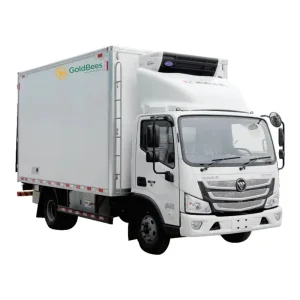
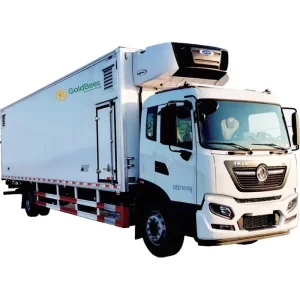
Browse our complete range of pneumatic tankers, refrigerated cold chain vehicles, day-old chick haulers, and turnkey milling machinery available for Algerian export.



Connect directly with our senior application engineering team to receive customized blueprints, technical data sheets, and comprehensive quotation matrices tailored to your regional project requirements in Algeria.
Send Inquiry Now