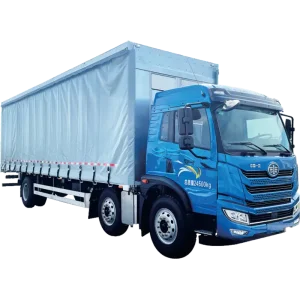
Engineered to mitigate harsh desert conditions (ambient temperatures exceeding +50°C), minimizing cargo stress and protecting biosecure supply corridors across GCC trade lines.



Navigating the National Food Security Strategy 2051 under extreme hyper-arid operational constraints.
The United Arab Emirates represents one of the world's most dynamic and technologically demanding landscapes for animal husbandry and livestock feed production. Under the strategic umbrella of the UAE National Food Security Strategy 2051, the federation is accelerating domestic protein production across broiler operations, modern commercial egg-laying facilities, camel husbandry, and emerging ruminant fattening programs. However, achieving production efficiency within Abu Dhabi's Al Ain agricultural basin, the desert plains of Sharjah, and Ras Al Khaimah requires mitigating severe environmental hurdles: ambient summer temperatures regularly exceeding 50°C, relative humidity swinging from 15% to 90%, and fine silica sand contamination that severely undermines mechanical drive trains and air exchange systems.
Modern Emirati commercial enterprises, such as the major agricultural holdings operating out of Abu Dhabi Developmental Holding Company (ADQ), large commercial dairy farms in Al Ain, and integrated poultry operators, are rapidly phasing out generic agricultural machinery. They demand thermally insulated, microclimate-controlled logistics vehicles and high-torque, dust-tight feed milling equipment capable of maintaining unimpeded operations 24/7/365. The commercial mandate is explicit: lower feed conversion ratios (FCR), eliminate microbiological contamination (notably Salmonella and Avian Influenza vectors), and prevent in-transit thermal stress mortality.
Reinforced polyurethane sandwich wall structures with high-density injection (thermal conductivity <0.024 W/m·K) engineered to isolate interior loads from extreme Middle Eastern solar radiation.
Air filtration systems running multi-stage cyclonic pre-separators and dual F7/HEPA filters to block ultra-fine desert sand ingress while maintaining constant air exchanges for livestock health.
All-aluminum interior hulls and 316 stainless steel hardware certified for aggressive disinfection, chemical wash cycles, and rapid drainage without fluid retention pockets or corrosion.
Addressing the complex requirements of corporate integrators operating multi-site facilities across the UAE and the broader Middle East.
International agricultural enterprises operating across the Middle East face distinct supply chain challenges compared to their Western counterparts. Raw feed ingredients—predominantly corn, soybean meal, and specialized micro-ingredients—arrive via bulk vessels at key maritime nodes such as Jebel Ali Port or Port Khalid. The journey from port silos to commercial animal facilities introduces multiple variables: thermal degradation of fats and vitamins within feed formulations, mechanical shearing of pelleted feeds during auger transit, and biosecurity exposure during inter-farm transfers.
Our macroscopic solution directly integrates the industrial feed mill manufacturing plant with specialized closed-loop logistics vehicles:
Turnkey compound feed plants utilizing automated batching systems with precision load cells (accuracy ±0.1%) to maintain consistent nutrition balances tailored to heat-stressed livestock diets.
Bulk transport tankers engineered with oil-free low-heat roots blowers, allowing dense-phase pneumatic transfer that curbs pellet attrition (crush rates <1.2%) over 25-meter silo heights.
Integrated chassis undercarriage and wheel misting manifolds tied to automated zone geo-fencing, executing complete biocidal sterilization before entering perimeter exclusion zones.
Transitioning from mechanical containment to intelligent, autonomous, and zero-carbon agricultural logistics.
Integration of multi-node NDIR CO₂ sensors, humidity arrays, and thermal imaging cameras inside transport compartments, streaming real-time metrics to farm operations hubs.
High-voltage LFP battery architecture for zero-emission bulk feed distribution within urban and suburban containment buffers across Dubai and Sharjah.
Soft-touch hydraulic robotic harvesters linked to specialized docking transport trucks, cutting human bird-handling interventions by 85% and eliminating stress-induced bruising.
Feed mill systems capturing pelletizing exhaust heat through regenerative heat exchangers, reducing net BTU energy consumption in regional production by up to 28%.
Standardizing all manufacturing deliverables against MOCCAE, ESMA, and GSO technical mandates.
| Regulatory Body / Standard | Mandate Focus | GoldBees / CP M&E Implementation Standard |
|---|---|---|
| ESMA (UAE.S GSO 48:2018) | Motor Vehicle Weight & Dimension Limitations | Chassis configurations designed specifically around UAE maximum gross vehicle weight (GVW) and legal axle load limits, utilizing high-tensile Domex steel to balance legal payload yield. |
| MOCCAE Animal Welfare Federal Law | In-Transit Humane Containment & Density | Calibrated dynamic mechanical ventilation exceeding 65 air changes per hour; continuous telemetry recording of interior air quality, ammonia, and thermal levels. |
| GCC GSO 1057 / Gulf Standards | Electrical System Integrity & Heat Resistance | High-temperature flame-retardant wiring harnesses rated for continuous operation at +125°C, sealed with IP68/IP69K Deutsch waterproof connections to resist high-pressure washdowns. |
| Dubai Municipality Food Safety Code | Cold Chain Temperature Traceability | Independent ATP-certified multi-temperature refrigeration units equipped with redundant dual-circuit compressors and real-time cloud data logging. |
Collaborate with our factory technical team for customized chassis blueprints, feed mill capacity modeling, or localized compliance validation.
Direct answers for EPC contractors, farm directors, and procurement heads considering specialized equipment deployment in the UAE.
Our transport bodies utilize an advanced combination of 80mm high-density polyurethane composite insulation, high-capacity evaporative or split-refrigeration cooling coils, and high-velocity brushless ventilation fans capable of delivering positive airflow across every individual pen. Even when external asphalt temperatures touch 65°C, the internal climate is actively regulated between 22°C and 28°C, preventing dangerous heat-stress-related mortality.
Yes. Critical structural elements, conditioner chambers, and pellet press dies are fabricated using premium stainless steel (SUS304/SUS316) or high-chrome tungsten carbide hardfacing. Drive components, motor enclosures, and bearings are sealed to IP66/NEMA 4X standards with multi-lip labyrinth seals to prevent the intrusion of silica dust and airborne coastal salt particulates common in Arabian Gulf environments.
Absolutely. We regularly engineer our upper bodies, subframes, and hydraulic interface assemblies to match common regional commercial chassis including Mercedes-Benz Actros, MAN TGS, Volvo FMX, Scania, and Isuzu GIGA. Our engineering department uses accurate 3D CAD interface files to confirm axle load distributions and subframe bolting points before beginning production.
We provide comprehensive documentation packages including Certificate of Origin (legalized via the UAE Embassy/MOFAIC if needed), commercial invoices, packing lists, Mill Test Certificates for steel materials, component CE / ISO 9001 / ISO 22000 certifications, and pre-shipment SASO/SABER/ESMA inspection declarations where mandated by UAE port customs.
We maintain dedicated technical support teams for the GCC corridor. Routine wear components (pellet dies, roller shells, auger flights, blower seals, electrical relays) are stocked via regional logistics hubs, and our senior mechanical and electrical engineers can be deployed directly to site locations throughout the UAE to handle integration, commissioning, and staff operational training.
Complete portfolio of heavy-duty semi-trailers, intelligent harvesters, and high-capacity feed transit equipment built for Middle East supply chain resilience.